

“Executing these multi-domain exercises ensures NATO assets are prepared to respond to any potential threat to the Alliance,” General James Hecker, Commander of NATO Allied Air Command, said on a previous NATO-led F2T2 exercise. “Integration exercises offer opportunities to improve military readiness, tactical proficiency, and the agility of our forces.”
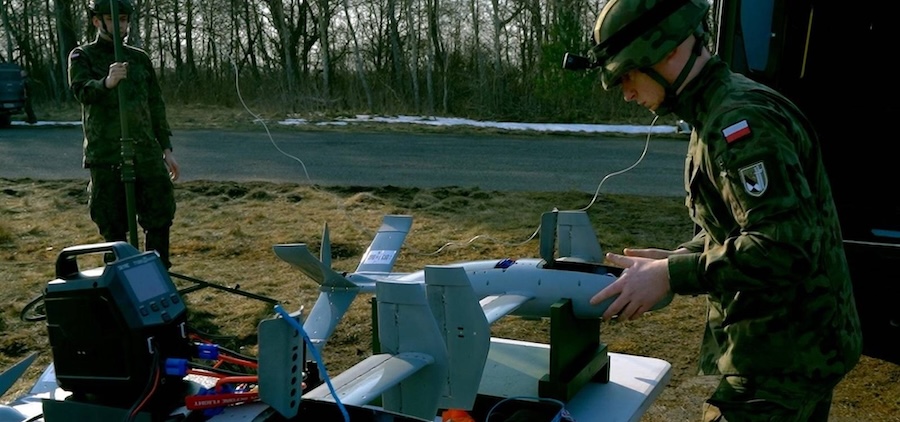
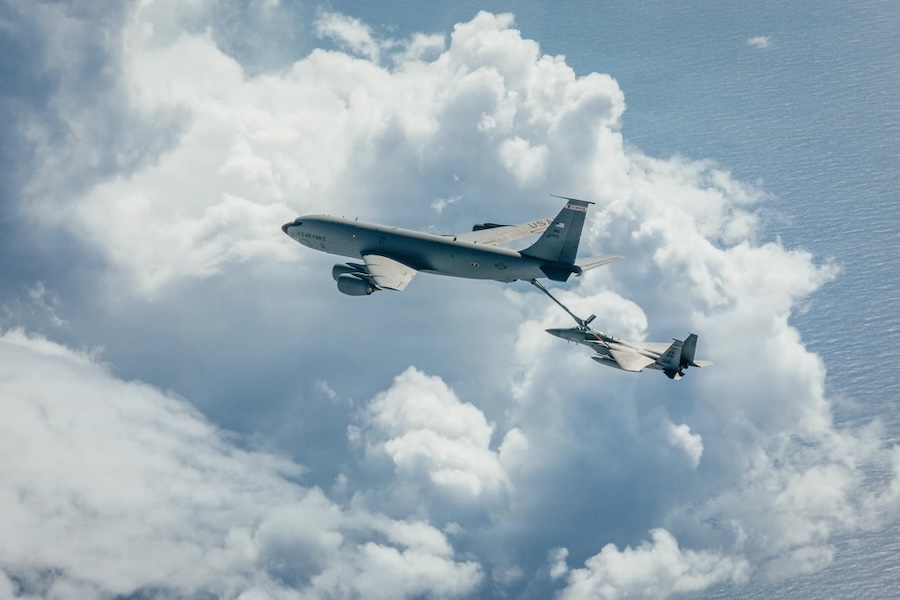
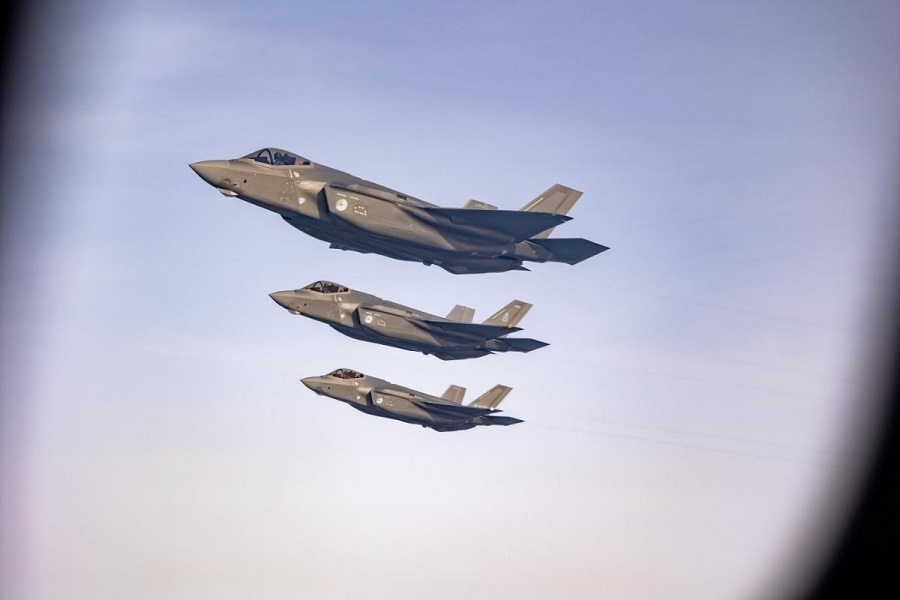
A diverse range of aircraft – including F-35 Lightning II, F-16 Fighting Falcon, and Panavia Tornado, intelligence, surveillance and reconnaissance (ISR) assets, and aerial refueling tankers, such as an Italian KC-767 and NATO’s Multi Role Tanker Transport Capability (MRTT-C) – participated in the drill. NATO’s Airborne Warning and Control System (AWACS) also provided airborne command and control, further enhancing situational awareness and operational effectiveness.
The F2T2 was part of a pre-planned training mission, demonstrating NATO’s ability to synchronise operations across multiple domains, reinforcing deterrence and ensuring readiness.
F2T2 exercises are designed to improve interoperability by integrating ISR assets with strike-capable aircraft in real-time targeting scenarios. Participants were tasked with locating and tracking potential targets and then coordinating a simulated strike within a specified timeframe. These exercises are vital in enhancing NATO’s Counter Anti-Access/Area Denial (C-A2AD) and Integrated Air and Missile Defence (IAMD) capabilities, two key operational priorities for NATO’s air forces.
This exercise builds on NATO’s commitment to maintaining a high level of operational readiness ahead of Ramstein Flag 2025, a large-scale NATO airpower exercise set to take place in the coming months. By continuously refining its multi-domain operational capabilities, NATO reaffirms its ability to deter threats and defend Allied territory.
Source: Allied Air Command.