
Ramstein Flag 2025 is a tactical-level exercise that brings together 15 NATO nations to test joint warfare capabilities and operational readiness. A key focus of the event is ensuring air forces can operate effectively in full-spectrum conflict environments, including countering anti-access/area denial (C-A2AD) threats.
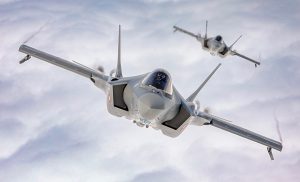
Two U.S. F-35s from the 495th Fighter Squadron at RAF Lakenheath and two Dutch F-35s from the Royal Netherlands Air Force were launched by crew chiefs from opposite nations to perform C-A2AD missions. This deliberate cross-servicing tested the ability of ground crews to support allied aircraft using shared protocols and procedures.
Cross-servicing involves one nation’s maintenance crew providing technical support to another’s aircraft, a vital skill for NATO operations. “I feel confident in cross-servicing since we have the same procedures for the most part,” said Sgt. 1st Class Rick Dejong, RNLAF avionics technician and F-35 crew chief. “Of course, it’s always great to learn from each other.”
Upon return, ground crews from both nations jointly recovered, refuelled, and inspected each other’s jets, maintaining all technical orders throughout the post-flight process. U.S. Air Force Staff Sgt. David Espinoza-Barrantes of the 495th Fighter Generation Squadron shared his experience: “It was a really good experience and a little nerve wracking at first… but it was humbling to be working side by side with my NATO counterparts.”
The training confirmed that both air forces successfully achieved their operational objectives, with the F-35s continuing to fly missions throughout the exercise. “It’s important for us to all see we can work as a team here with our NATO Allies and partners,” said 1st Lt. Joshua Hettinger, 495th FGS sortie generation flight commander.
Central to the exercise was the F-35’s role as a fifth-generation platform capable of operating from any NATO base with allied maintenance support. “Cross-servicing ensures that our F-35s and those of our NATO Allies and partners can operate effectively from any NATO base,” Hettinger added. “Being able to execute that concept on a smaller scale here… reinforces those relationships and teamwork.”
Source: U.S. Air Force.