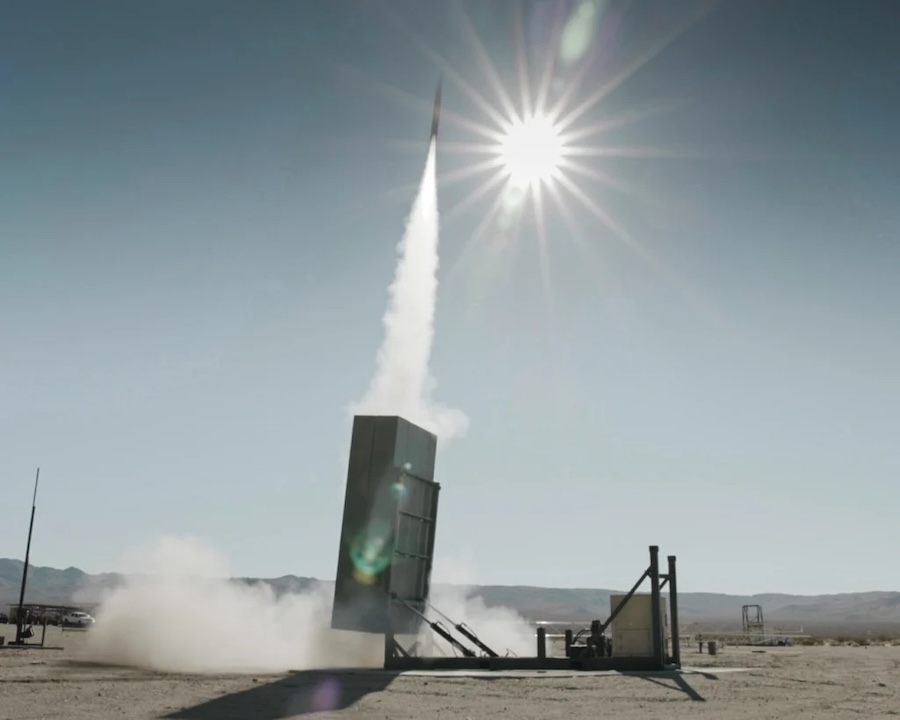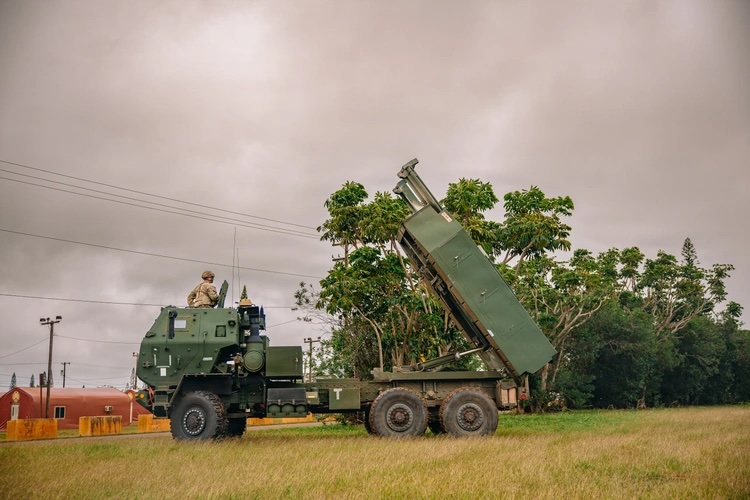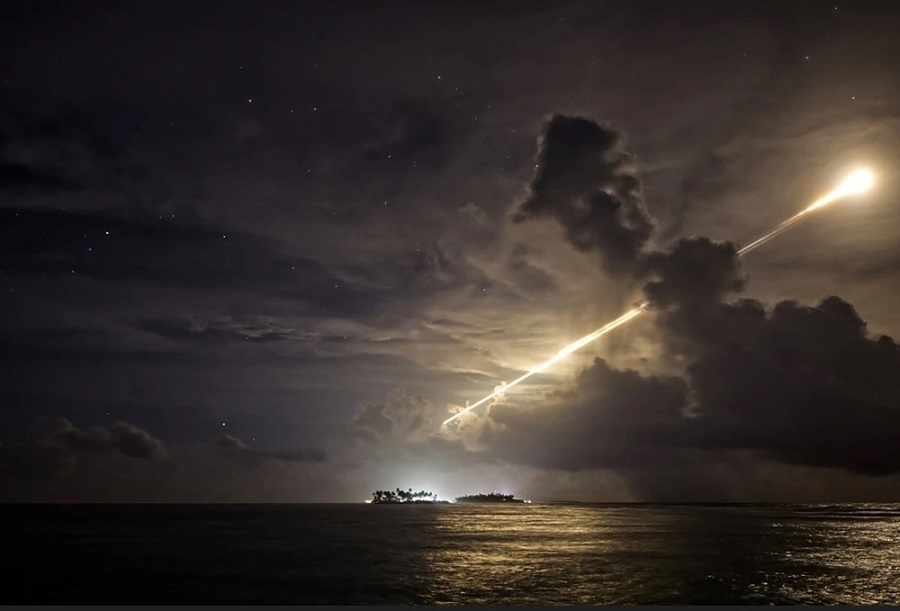

This centre, to be led by Rheinmetall, will focus on bolstering European security and defence self-reliance, supporting NATO commitments. Both companies have begun working on defining the most effective approach to establish the facility, with plans subject to U.S. and German government approval.
Rheinmetall and Lockheed Martin aim to leverage their respective strengths—Rheinmetall’s regional access and Lockheed Martin’s missile technologies—to serve growing market demands. “This partnership reflects our steadfast commitment to advancing transatlantic security and delivering proven, cutting-edge capabilities to European allies,” said Ray Piselli, vice president, International at Lockheed Martin.
Armin Papperger, CEO of Rheinmetall AG, commented: “Two strong partners have found each other. We are delighted to be taking the next step in our proven cooperation with our friends in the USA.”
Papperger highlighted Rheinmetall’s intent to take on a central role in rocket and missile production for Europe, stating: “Rheinmetall will not only be involved in sales but will also contribute significantly to the production.” The company sees “considerable demand” in the European market and aims to meet it with this initiative.
Dennis Goege, vice president and chief executive for Europe at Lockheed Martin, noted the importance of European collaboration: “Europe is central to our international partnerships, and this initiative marks an important next step.” He emphasised the company’s role in supporting Europe’s defence industrial base through “shared innovation and technology.”
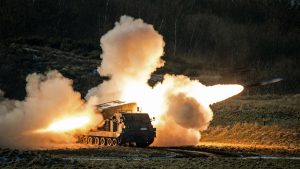
The partnership builds on previous cooperation, including their joint development of the GMARS multiple rocket launcher system, revealed publicly at the 2024 Eurosatory trade fair in Paris. Rheinmetall is also beginning production of approximately 400 centre fuselage sections for the F-35 fighter jet, marking its entry into high-tech military aerospace manufacturing.
Lockheed Martin has maintained a presence in the German defence sector for over five decades, and this new step with Rheinmetall reflects its commitment to strengthening transatlantic industrial ties. The companies aim to drive job creation and foster technological innovation across both the U.S. and European defence industries.

![Inside Operation Roaring Lion: IDF launches largest air campaign in history, striking over 500 targets in Iran [VIDEO]](https://defence-industry.eu/wp-content/uploads/2026/03/operation-roaring-lion-idf-launches-largest-air-campaign-in-history-striking-over-500-targets-in-iran-video.jpg)