

Capt. Christopher McNamara leads the radar platoon whose primary role is to operate ground-based radar and deliver intelligence to U.S. Customs and Border Protection (CBP). “We’re here to support Customs and Border Protection in every capacity, and we’ve had a great time working with them,” McNamara said.
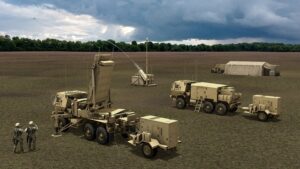
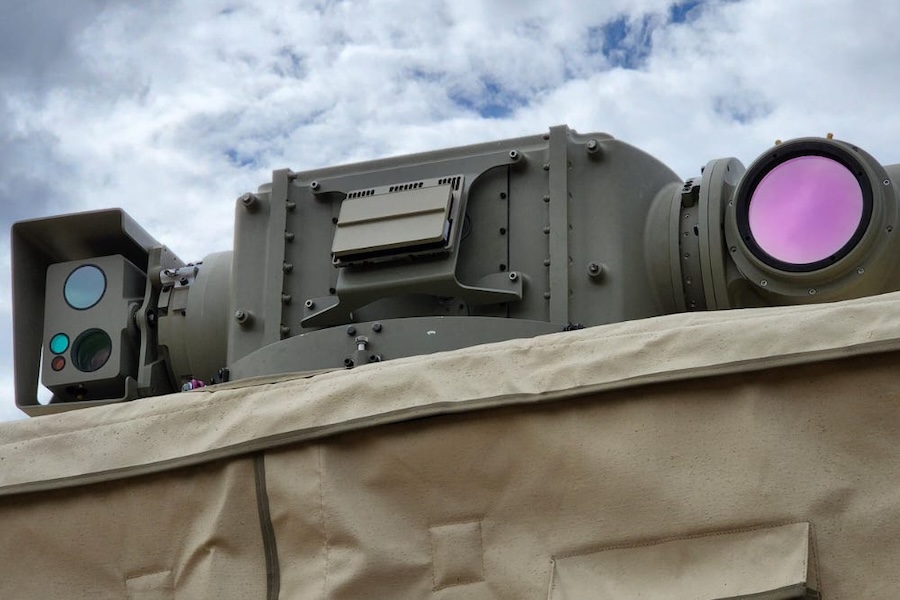
The unit operates two key radar systems: the AN/TPQ-53, used to detect the origin and impact of indirect fire, and the AN/MPQ-64 Sentinel, designed to track low-flying aircraft and drone activity over large areas. Both systems, though developed for combat environments, are now adapted for homeland defence purposes.
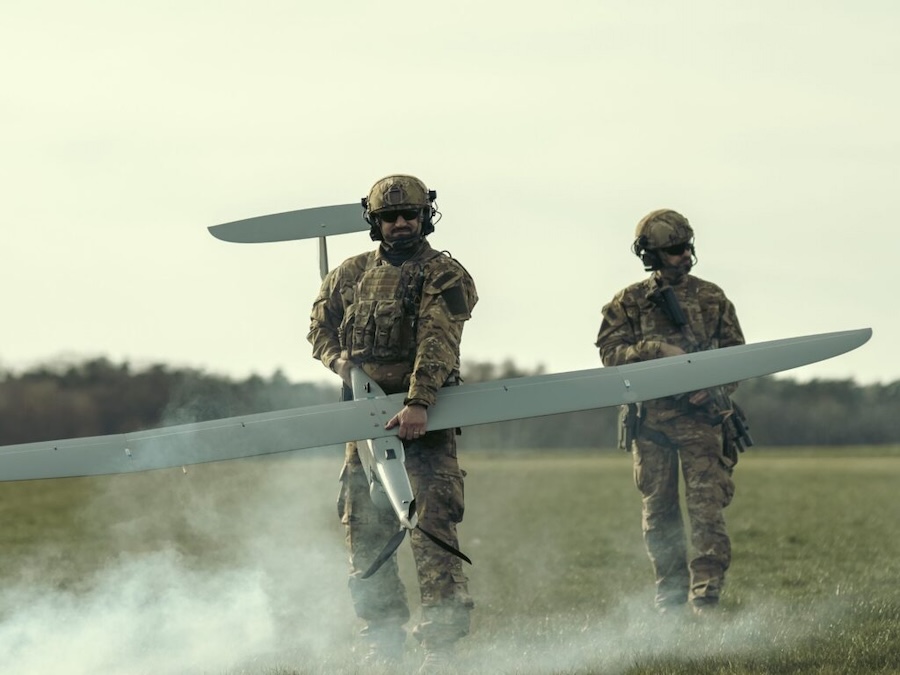
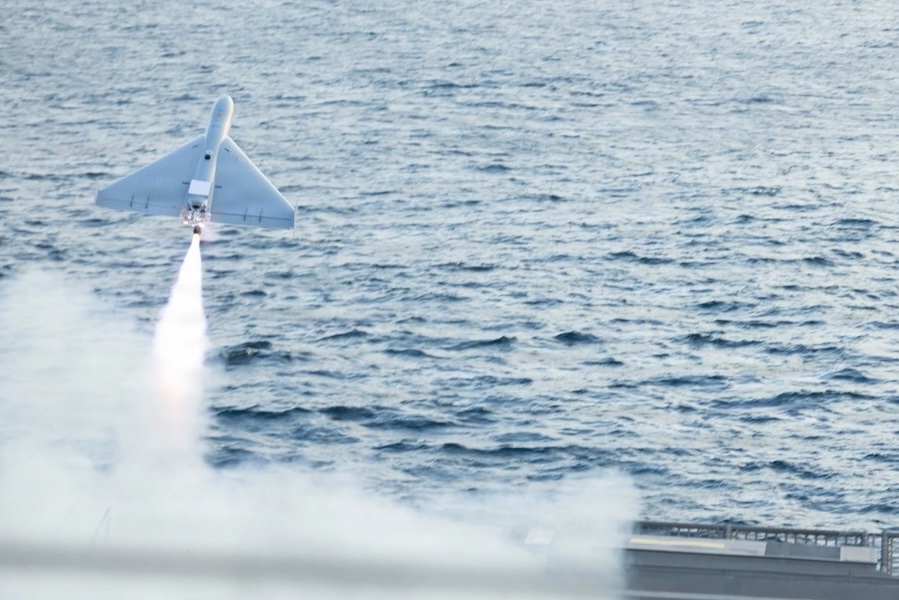
As drone threats along the border increase, the mission has gained urgency, with CBP reporting more drones used for reconnaissance and smuggling operations. These include drones guiding illegal border crossings and transporting narcotics or carrying small explosives.
Soldiers monitor radar feeds in real time and must distinguish between harmless and potentially dangerous activity. “It’s not an automated system, so there is a human element to it,” McNamara explained.
“We have to make determinations and distinctions about the data we receive and act accordingly,” he added. “It can be difficult at times, given the sheer amount of data our system receives in a day.”
McNamara views the mission as closely linked to national security and as a way to maintain readiness for future combat scenarios. “I see a lot of what’s happening in Ukraine right now—how they’re using drones daily to conduct warfare, do reconnaissance and take out high-value assets,” he said.
“There’s a future in warfare where counter-UAS assets could play an even more critical role in defending forward operating bases and personnel,” he noted. When asked about his team’s motivation, McNamara emphasised the importance and relevance of their mission.