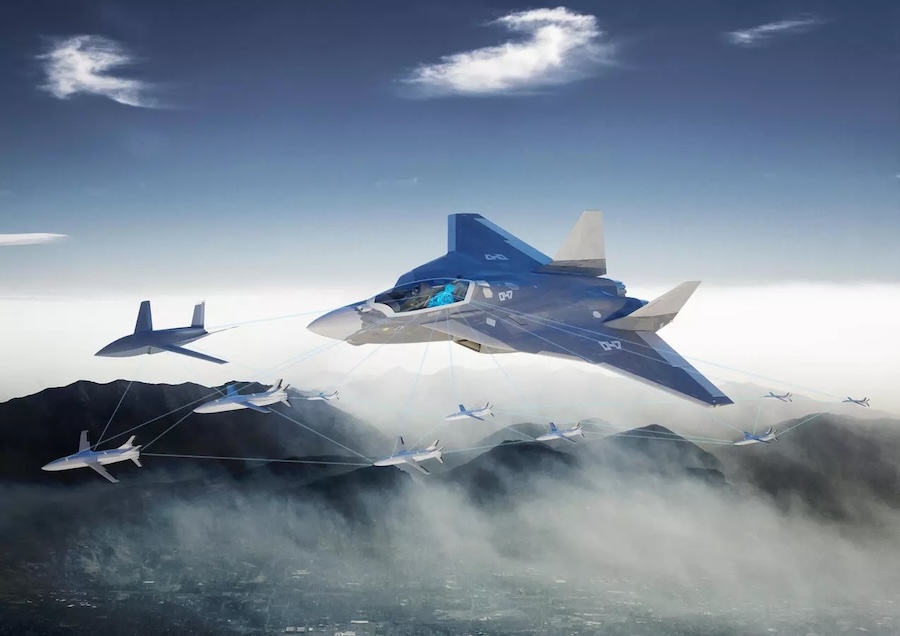
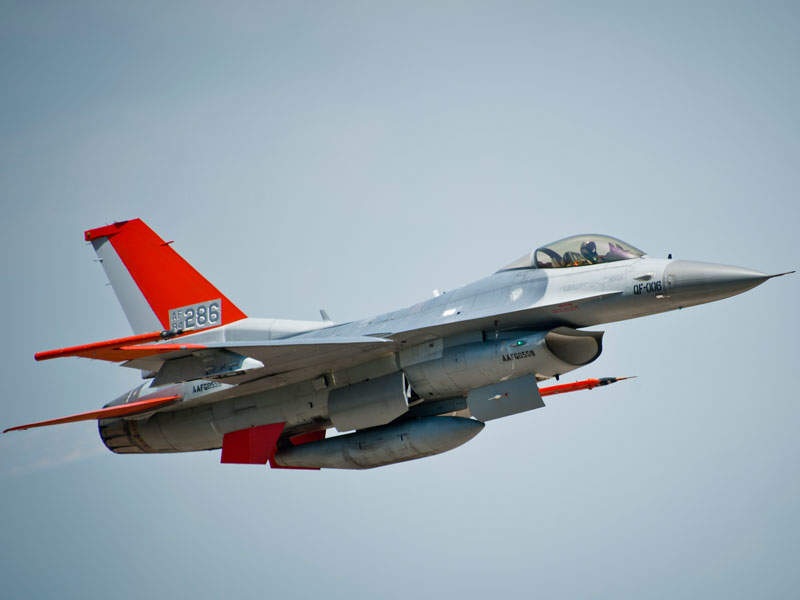
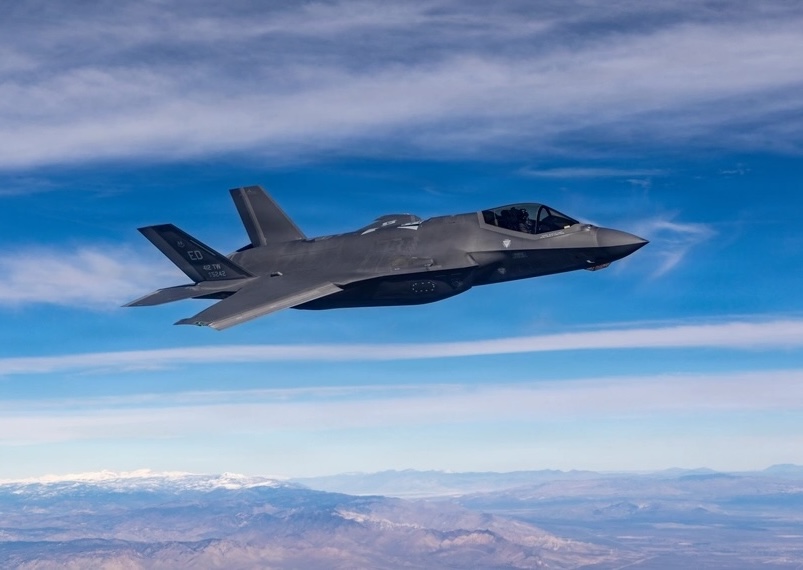
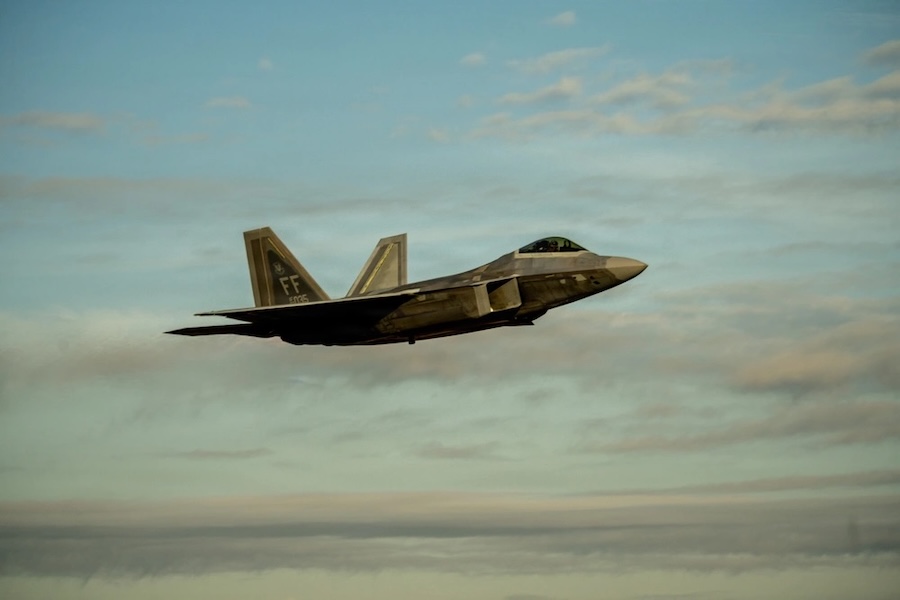
QF-16s are remotely piloted aircraft that retain the ability to be flown conventionally by a pilot if necessary. These drones maintain full manoeuvring capabilities, including supersonic speeds and up to 9G turns, making them realistic training targets for air defence systems and testing air-to-air weaponry.
Not every QF-16 flight ends in destruction; some missions involve calibration of radar or electronic warfare systems. “Zombie Viper,” as the QF-16 is informally called, reflects the concept of reviving old F-16 fighters stored at the AMARG facility, often referred to as the aircraft boneyard.
The first conversions were carried out at Boeing’s facility at Cecil Field in Jacksonville, Florida, followed by the establishment of a second line near AMARG at Davis–Monthan Air Force Base in Arizona. The conversion process includes inspecting the aircraft, installing remote control systems, scoring recorders, and self-destruct devices in case of drone malfunction.
The QF-16s are typically among the most worn-out aircraft recovered from storage at AMARG. Each unit has an estimated operational life of approximately 300 flight hours before being destroyed in training or retired for spare parts recovery.
The converted aircraft are assigned to the 82nd Aerial Targets Squadron at Tyndall Air Force Base in Florida, with a detachment at Holloman Air Force Base in New Mexico. These squadrons operate the QF-16 systems and conduct realistic air combat training, primarily using remote piloting from ground-based simulation cockpits.
During some mission phases, the QF-16s are capable of executing pre-programmed manoeuvres autonomously. The new contract underscores continued investment in advanced aerial target systems to enhance the realism and effectiveness of US air combat training.



![Rheinmetall promotes Caracal air assault vehicle for modern forces at Enforce Tac in Nürnberg [VIDEO]](https://defence-industry.eu/wp-content/uploads/2026/02/rheinmetall-promotes-caracal-air-assault-vehicle-for-modern-forces-at-enforce-tac-in-nurnberg-video.avif)