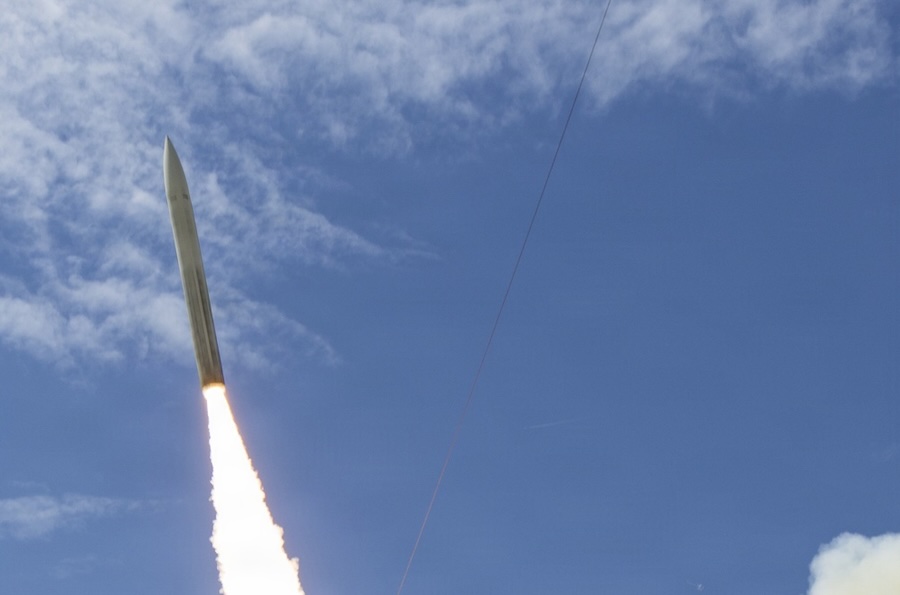


The Sniper ATP, when paired with the 70mm Advanced Precision Kill Weapon System (APKWS) II rockets, offers stable laser guidance enabled by a vibration-isolated optical bed. This stability allows for precise targeting and engagement, critical in today’s rapidly evolving battlefield environment.
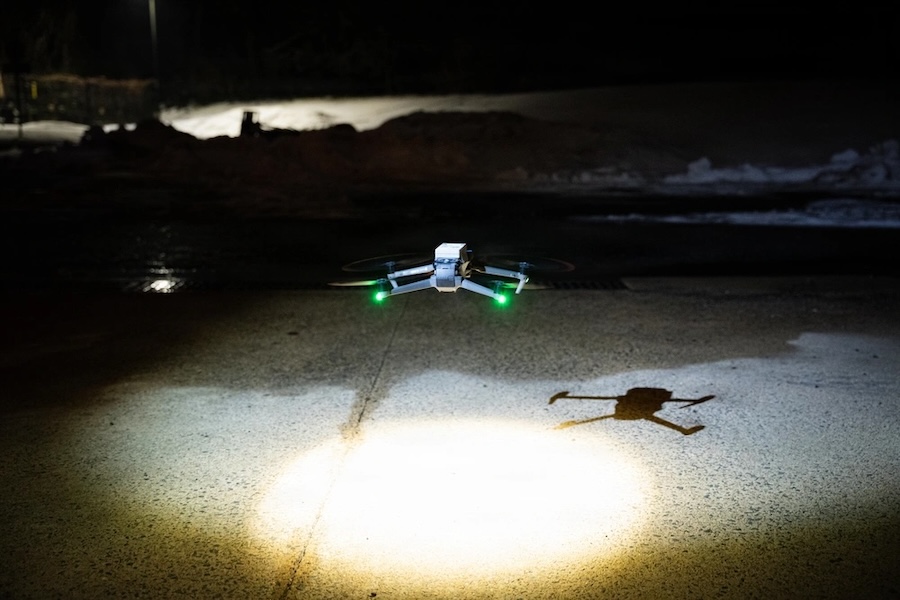
Equipped with advanced Forward Looking Infrared and Daytime Camera sensors, the Sniper ATP delivers high-resolution imagery for detecting and tracking both ground and airborne threats. Lockheed Martin has integrated enhanced image processing technology and refined tracking algorithms to ensure automatic detection, tracking, and laser designation of UAS targets.
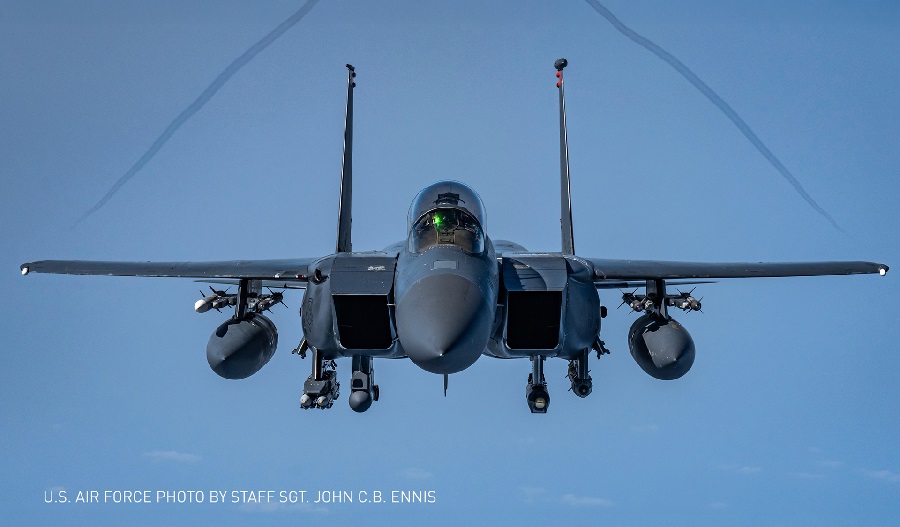
“The combination of the Sniper ATP and APKWS II rockets has proven to be a formidable team,” the company stated, referring to the system’s deployment on F-15E aircraft in the Middle East. This pairing enables full lethality against emerging threats, while reducing aircrew workload by maintaining target custody autonomously.
The latest enhancements to Sniper ATP include Digital Video Interface for high-resolution displays, AI-enabled tracking algorithms via Advanced Processors, and Mobile Ad hoc Network (MANET) radios for networked-targeting solutions. These features underline Lockheed Martin’s commitment to innovation and to addressing the evolving needs of global defence forces.
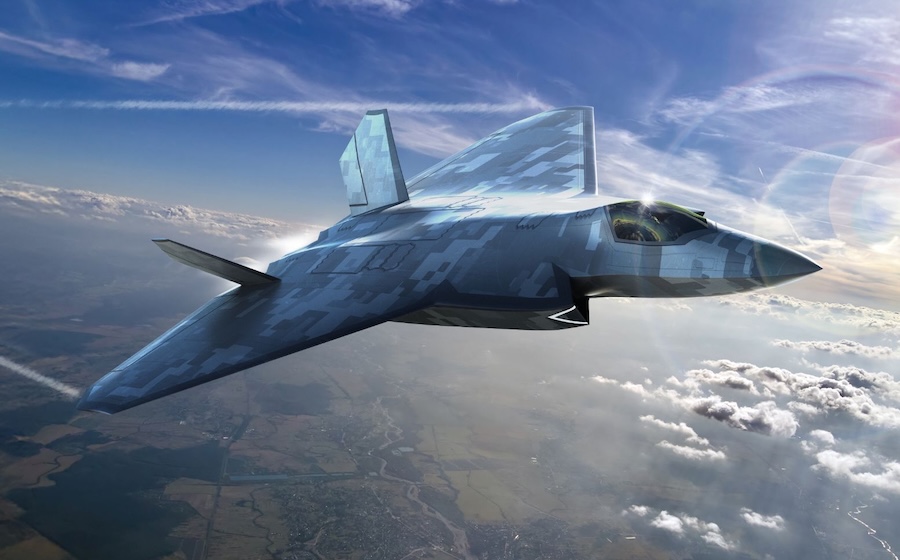
Sniper ATP is deployed across a wide range of aircraft, including the F-15C/E, F-16, A-10C, F/A-18 variants, B-1, B-52, C-12J, UK Harrier, F-2, Typhoon, Rafale, Mirage, and F/A-50. With its unmatched precision and technological advancements, the Sniper ATP is reshaping the role of targeting systems in modern military operations.
Source: Lockheed Martin.