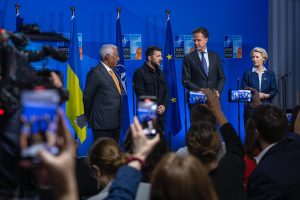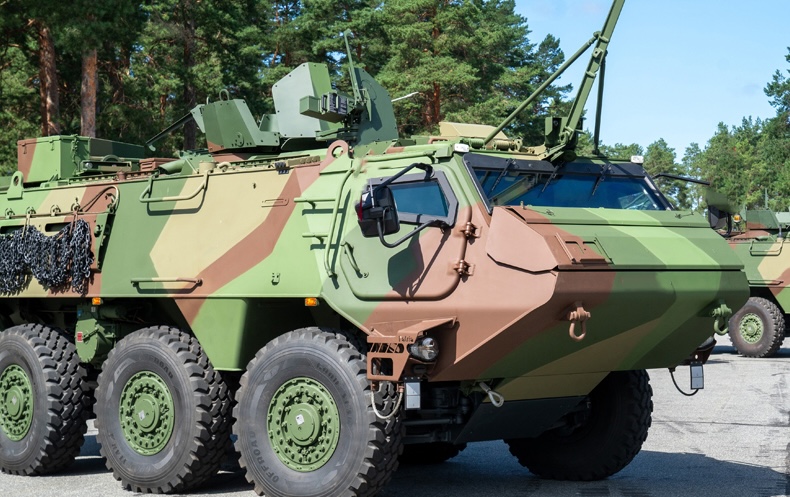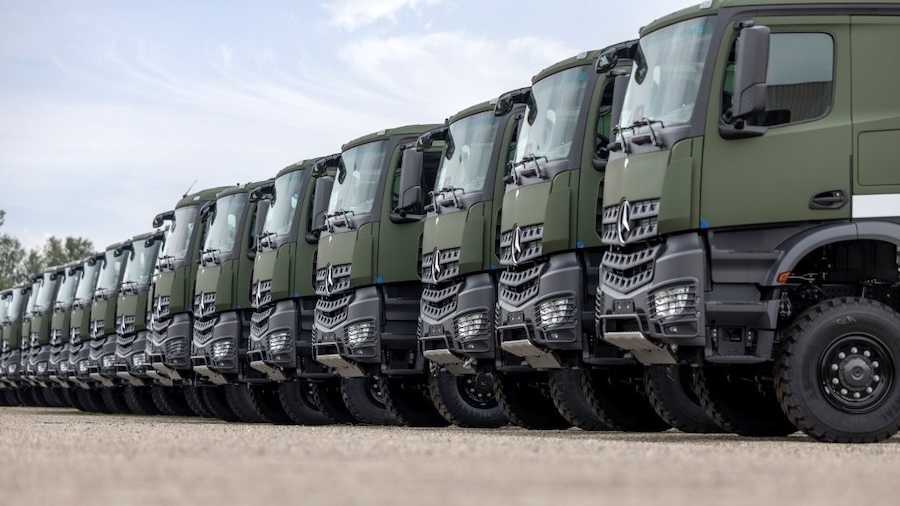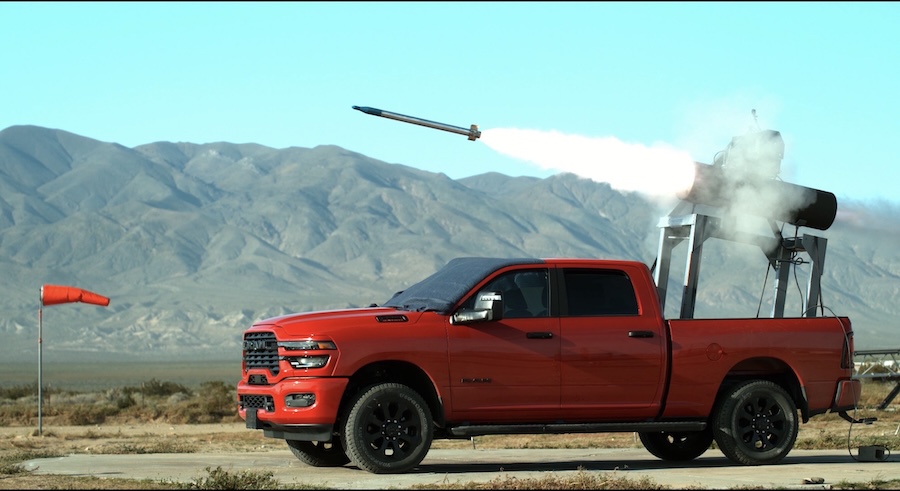


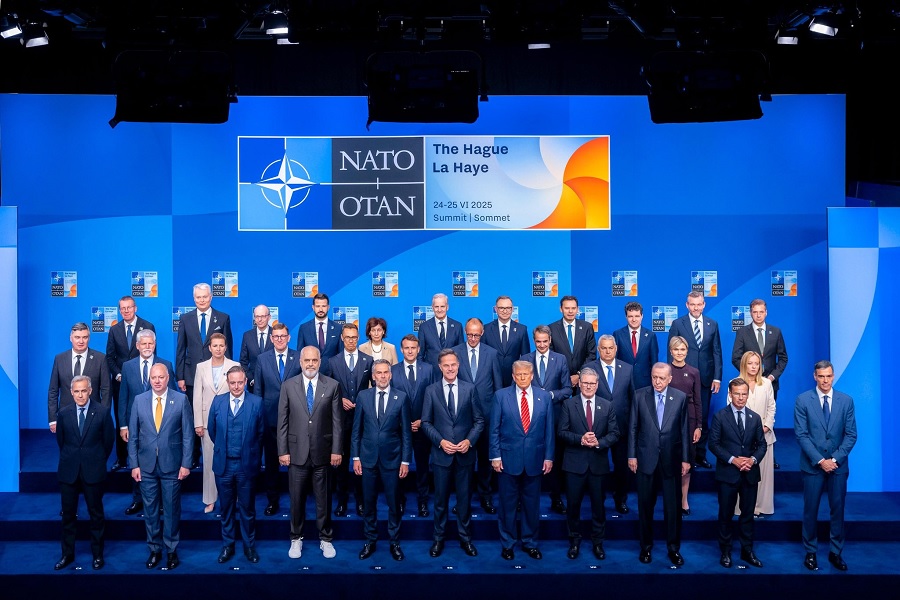
This new commitment replaces the previous benchmark of 2% GDP, established at the 2014 Wales Summit in response to Russia’s annexation of Crimea and military activities in eastern Ukraine. The updated figure is intended to meet both national defence needs and those of the alliance as a whole.
The 5% target will be divided into two parts: approximately 3.5% of GDP for direct defence spending, and no more than 1.5% for related areas such as civil defence, defence infrastructure, industrial reinforcement, and cybersecurity. While members may spend more in these areas, only up to 1.5% of GDP in indirect expenditures will count toward the overall target.
“This initiative ensures sufficient resources, capabilities, and infrastructure for effective deterrence and, if necessary, collective defence,” the declaration stated. It aligns with NATO’s core tasks of deterrence and defence, crisis prevention and management, and cooperative security.
A comprehensive NATO-wide review is scheduled for 2029 to assess both the plan’s implementation and whether capability targets require updating. Observers note this may allow room for eventual adjustments to the current financial requirements.
The declaration also includes plans to deepen industrial cooperation within NATO and remove barriers to defence trade between member states. Few official statements have yet been made regarding updated capability expectations for individual countries.
In Germany, however, debate has intensified over reports that NATO may ask Berlin to significantly expand the Bundeswehr. Estimates vary, with proposals ranging from 250,000 to over 480,000 troops, depending on mobilisation scenarios, and calls for the creation of five to seven additional army brigades.
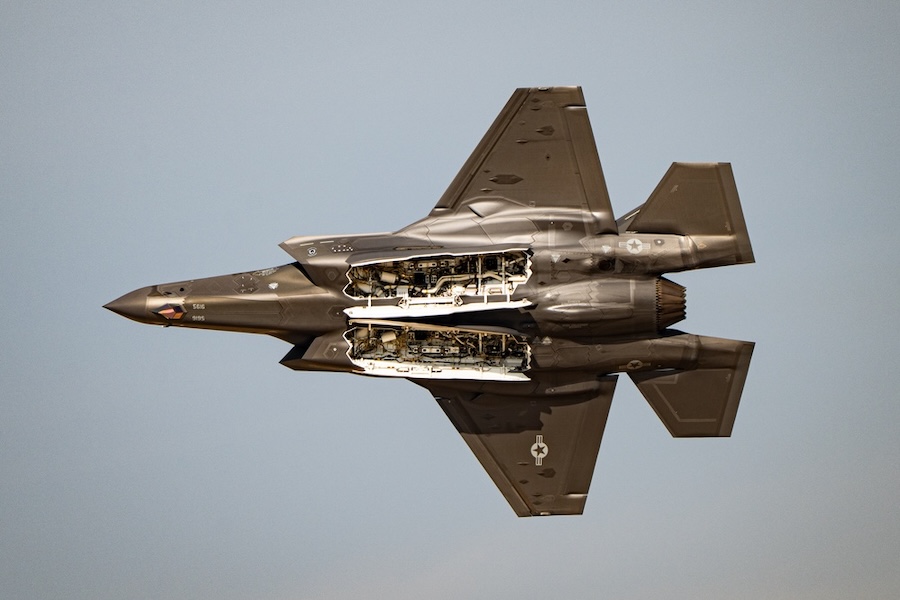
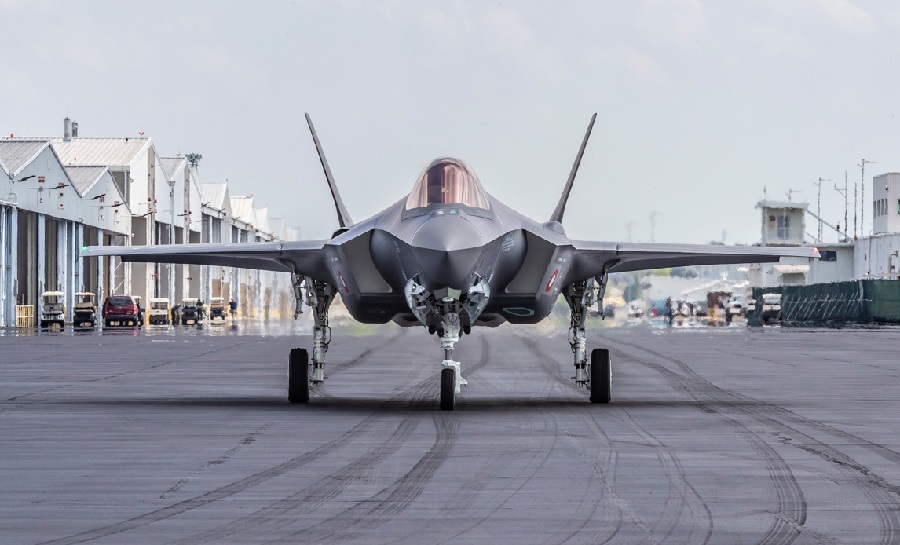
NATO is also prioritising improvements in air defence, as reflected in recent purchases or announcements by Sweden, Denmark, Belgium, and Luxembourg. The air forces of several allies, including the UK and Italy, plan further acquisitions of F-35A fighter jets.
Nonetheless, not all member states appear ready to meet the new target. Spanish Prime Minister Pedro Sánchez confirmed after the summit that Spain would maintain defence spending at 2.1% of GDP, which he argued was sufficient to meet the country’s NATO commitments.
According to Sánchez, NATO had granted Madrid permission to meet part of the requirement through investment in civil defence, infrastructure, or the defence industry. However, details of this arrangement remain unclear.