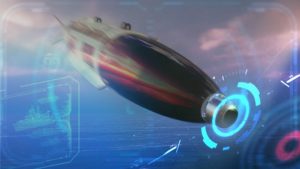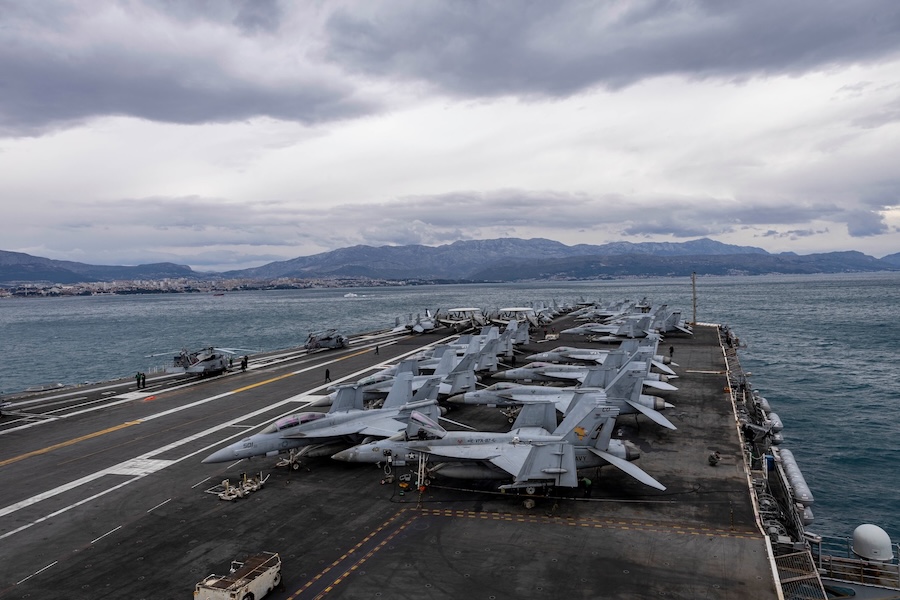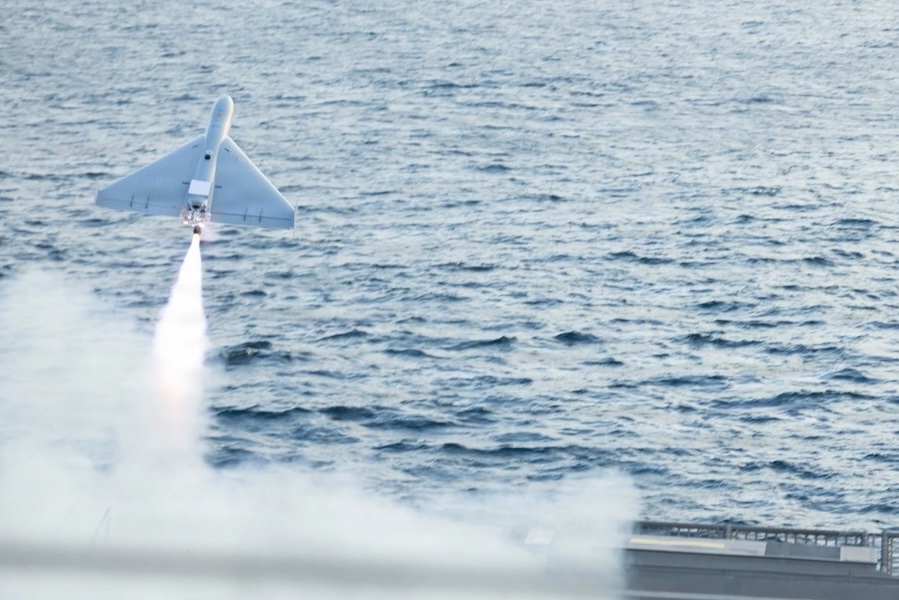

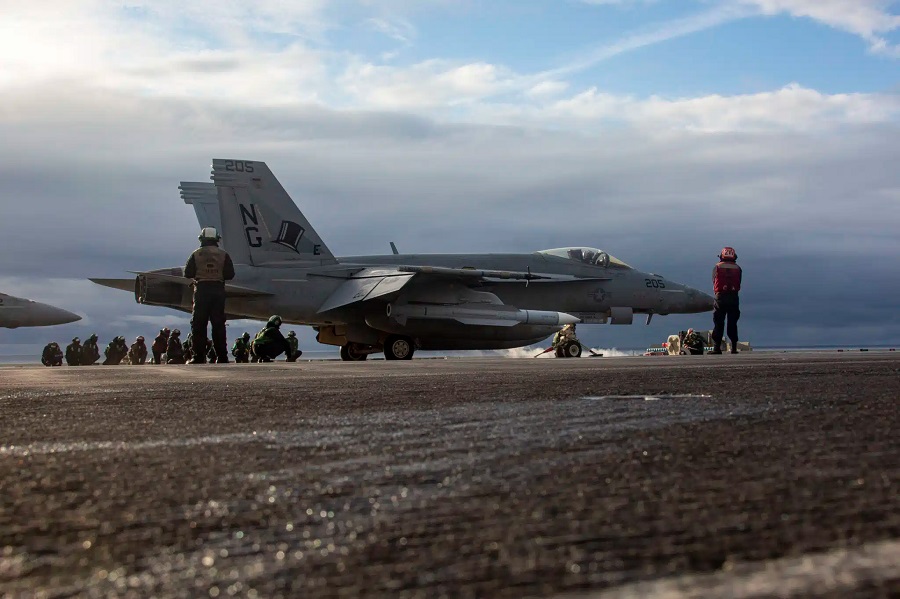
The launch coincided with a visit from senior officials, including the Vice Chairman of the Joint Chiefs of Staff, the Commander of U.S. Alaskan Command, and several U.S. Senators. Abraham Lincoln is the third carrier known to deploy AIM-174Bs, following USS Carl Vinson (CVN 70) and USS George Washington (CVN 73).
The missile first appeared in an operational role last summer when Carl Vinson carried it during Exercise Rim of the Pacific (RIMPAC) off Hawaii.
Since then, the AIM-174B has been fielded in a number of high-profile events, including Gray Flag 2024, where Test and Evaluation Squadron 9 flew with four missiles. It was also observed during a friendship day at MCAS Iwakuni in May and later during Talisman Sabre 2025 off Australia.
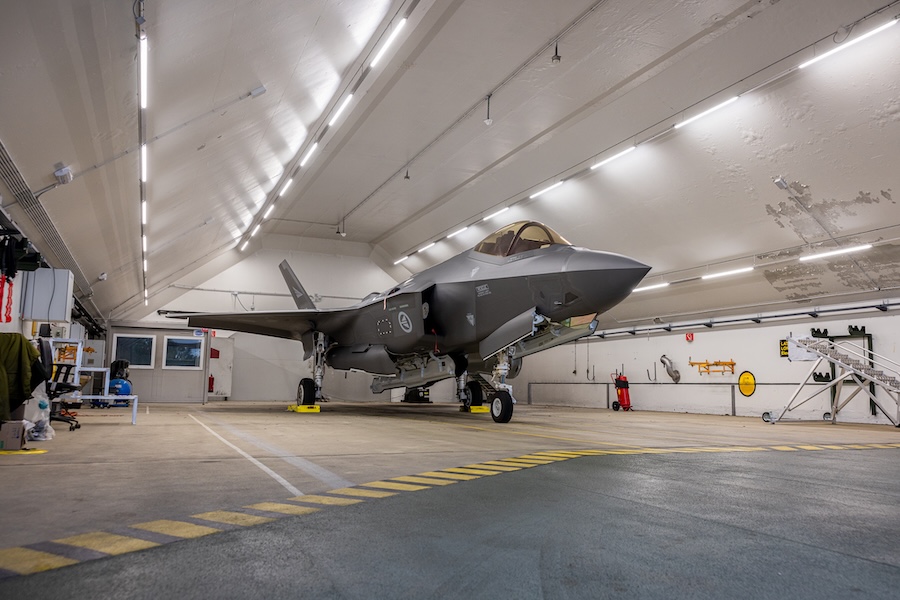
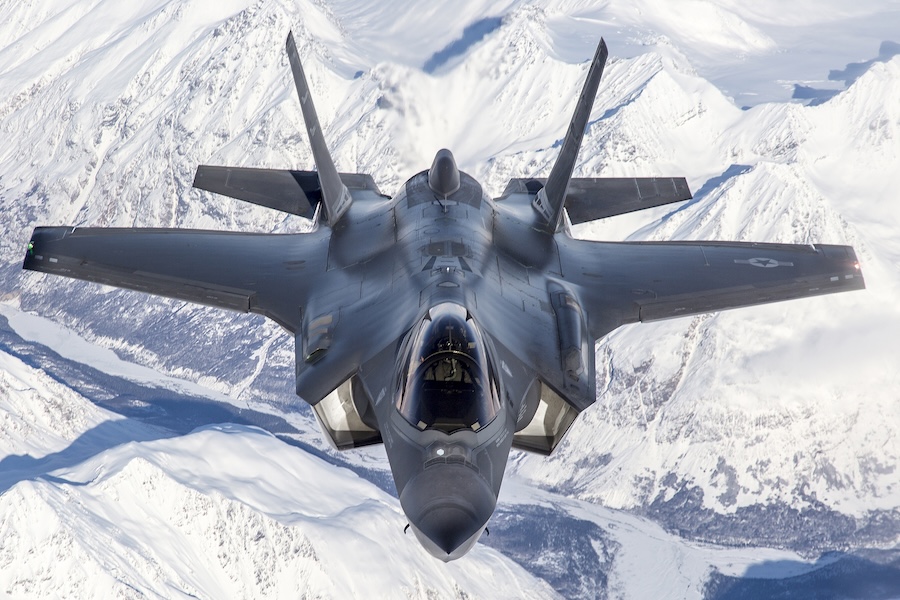
Abraham Lincoln, Carl Vinson, and George Washington are all equipped with elements of the Advanced Air Wing, or Air Wing of the Future (AWOTF). This force includes F-35C fighters, E-2D Advanced Hawkeyes, Block III F/A-18E/F Super Hornets, and EA-18G Growlers with AN/ALQ-248 jamming pods, with the AIM-174B forming a key part of that concept.
Northern Edge 2025 itself is a major U.S. Indo-Pacific Command exercise testing interoperability across services. “Northern Edge is a biennial U.S. Indo-Pacific Command (INDOPACOM) training exercise designed to provide high-end realistic combat training for enhancing joint interoperability and increasing combat readiness,” said U.S. Air Force Lt. Col. Eric “HAVOC” Hakos, 353rd Combat Training Squadron commander.
More than 6,400 service members, 100 aircraft, and seven U.S. and Canadian vessels are taking part in this year’s drills. “At Eielson, we have several units that are participating in the Northern Edge exercise, the first of which is the 353rd CTS,” Hakos said. “We provide the white force professional exercise staff to make sure the exercise is run efficiently, as well as the support staff to make sure participants are equipped to train while they’re here.”
The exercise is making full use of the Joint Pacific Alaska Range Complex (JPARC), which spans 67,000 square miles of training airspace and an additional 44,000 square miles into the Gulf of Alaska. “The training that we can do in the JPARC, we can’t do anywhere else,” Hakos said. “It includes training that requires us to be supersonic, training that requires us to be low, training against higher-end threats— it allows us to get after that. And most notably, because of the distances involved with a near-peer adversary, we can train [more effectively] and see the challenges that are presented by trying to target adversaries that are far away.”
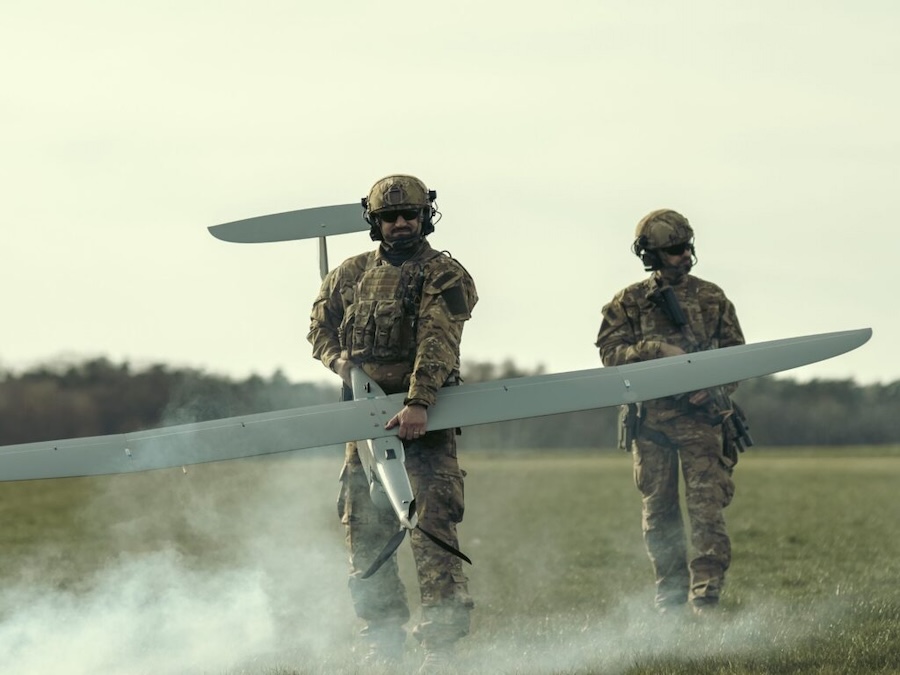
From missile demonstrations at sea to joint operations in the air and on land, Northern Edge 2025 highlights the U.S. military’s integration of new capabilities. The exercise also reinforces Alaska’s role as a strategic location in supporting a free and open Indo-Pacific.
Sources: