“It’s an incredibly complex exercise, and extremely cutting-edge training in terms of what we expect U.S. forces and our allies to cope with in the terms of the modern battlefield,” said Col. CJ Kirkpatrick, operations group commander, JMRC. “It really highlights the future of the way we have to train.”
Scenarios were staged across farms, towns, and manoeuvre areas, focusing not only on tactics and technology but also on trust, cooperation, and multinational readiness. “The fundamental nature of what war is remains the same. It’s a contestation of wills,” Kirkpatrick said. “The character, the way it happens, is what’s changing. We’ve got to train differently so we can fight differently.”
The exercise included a Polish-led High Command structure replicating coalition-level operations. “This is a great opportunity for the staff to work with our multinational partners and JMRC, to ensure the units are trained and certified,” said Brig. Gen. Roman Brudlow, commander of the 16th Mechanized Division, Polish Army. “From my point of view, due to the fact we are in NATO for more than twenty years, there are no big differences in procedures or how we are conducting things.”
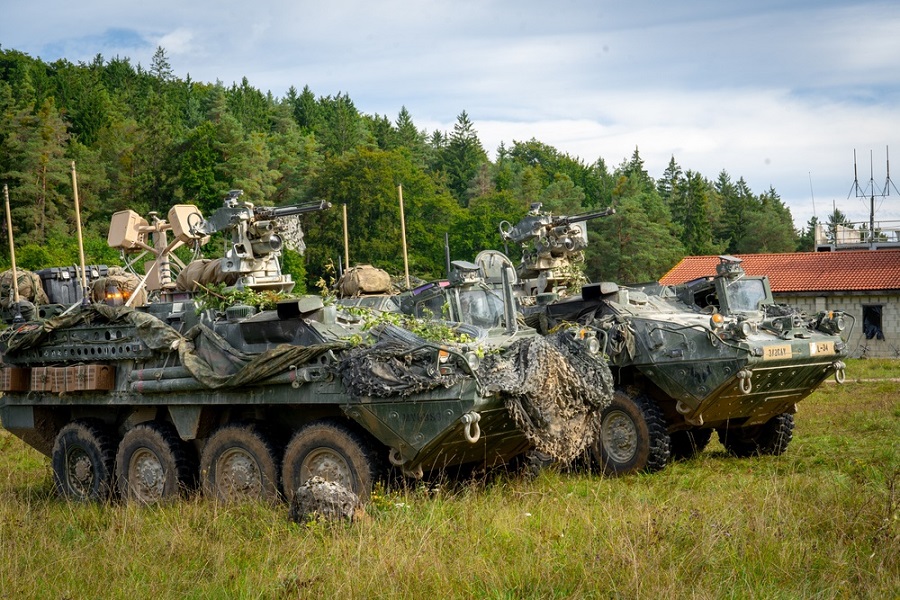
One-third of participating forces came from NATO Allies and Partners, with the U.S. 2nd Cavalry Regiment (2CR) serving as the primary training audience. Opposing Force units employed space, electronic warfare, and drone systems, which Kirkpatrick said could “contest the training unit in every domain except for maritime.”
“This gives us the opportunity to fight against a real-life OPFOR, instead of training like we do sometimes in the rear,” said Col. Donald Neal, 2CR commander. “This is where we get to put it all together, all the way to the team level. It’s a great opportunity.”
Troops trained with Multiple Integrated Laser Engagement System gear, conducting kinetic battles, convoy operations, and complex manoeuvres under unscripted and chaotic conditions. “I’ve watched us over the course of six days, from where we started to now,” Neal said. “I would say we’re more lethal than we started.”
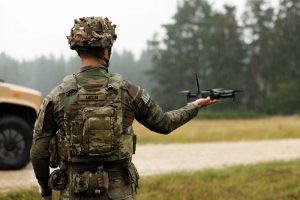
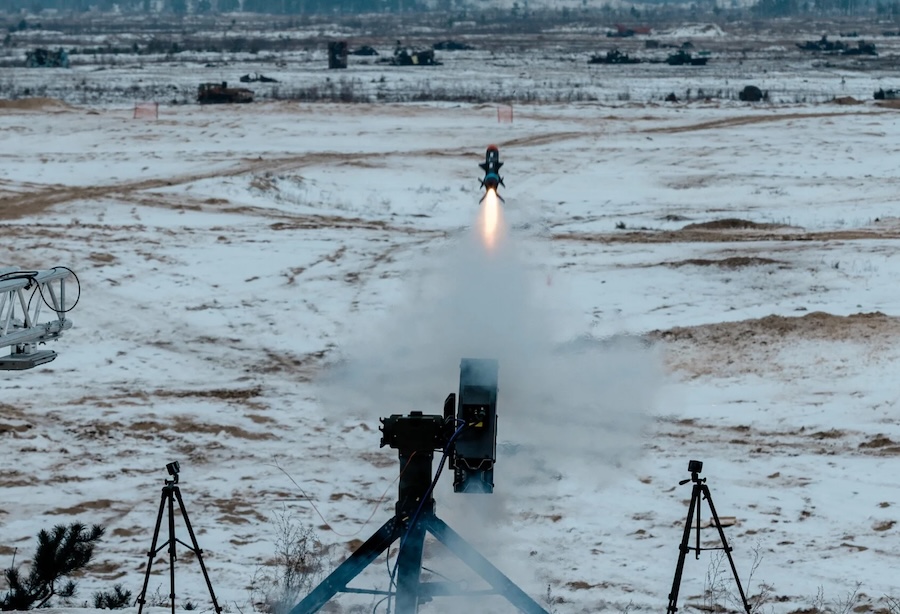
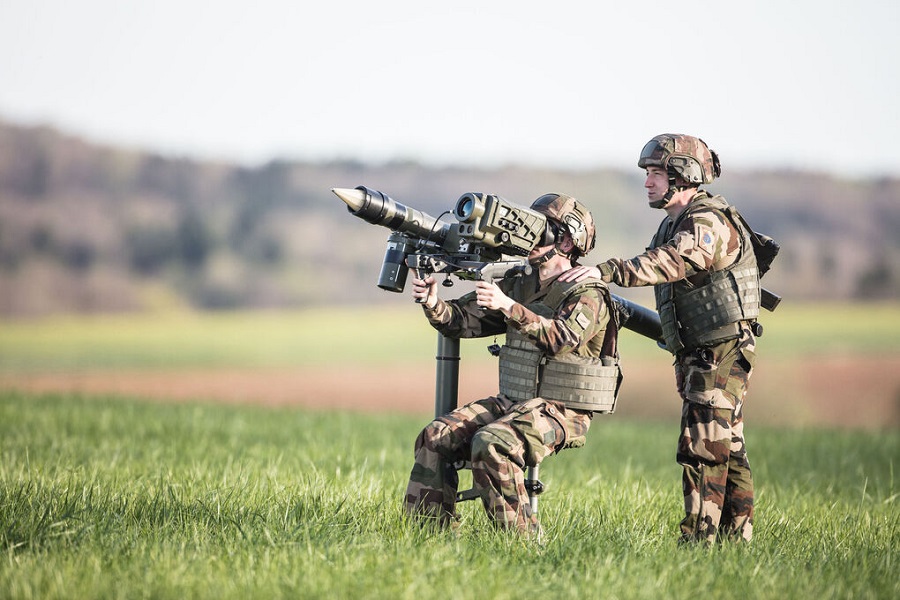
Training also incorporated civilian displacement, chemical attacks, and information warfare, as well as testing new technologies such as drones and anti-UAS systems. “We are learning what the systems can do in this environment, as well as that feedback,” Neal said. “We have the benefit of JMRC, and fighting with our NATO allies to really make us a more capable formation.”
Despite technological advances, Kirkpatrick stressed that fundamentals remain unchanged. “The techniques and the way we do things aren’t different; the technological medium is changing,” he said. “Those skills, and how to do it, are what we train here at JMRC.”
The exercise, observed by the 7th Army Training Command, challenged every level of leadership, from squads to regimental headquarters. “Here we are today, the U.S. Army is using Polish Divisional HQ to conduct real-life exercises, and it’s no big deal,” Brudlow said. “During the wartime, that’s the real war. There will be multinational forces combined with different nations. We are ready right now to fight together.”