
Norwegian Prime Minister Jonas Gahr Støre said: “The goal is for Norway and the United Kingdom to be tied even more closely together militarily to strengthen NATO’s northern flank and its presence in the North Atlantic. It will provide greater security for Norway, the United Kingdom and our allies in an unsettled time.” His visit to RAF Lossiemouth included meetings with UK and Norwegian personnel and briefings from P-8 crews who recently tracked Russian vessels, including the intelligence ship Yantar detected near UK waters.
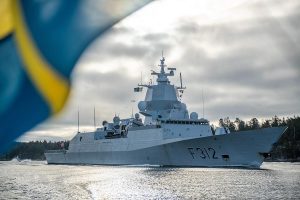
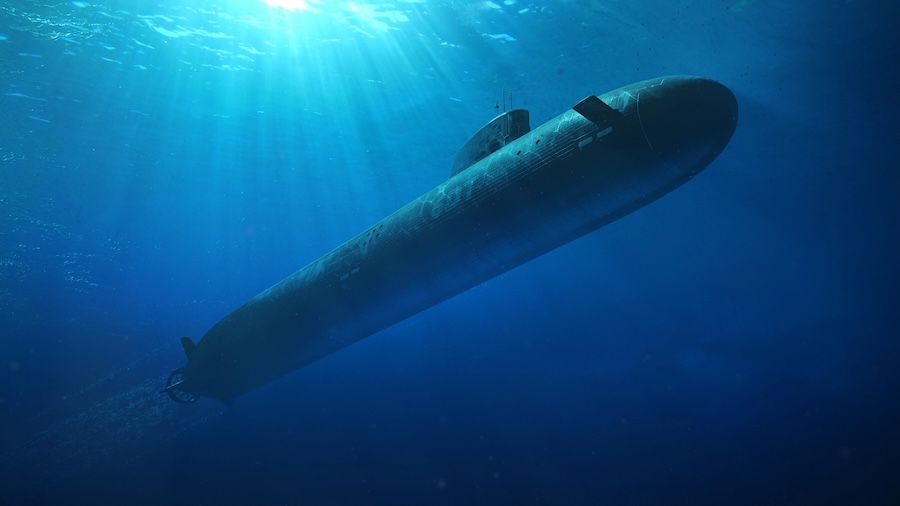
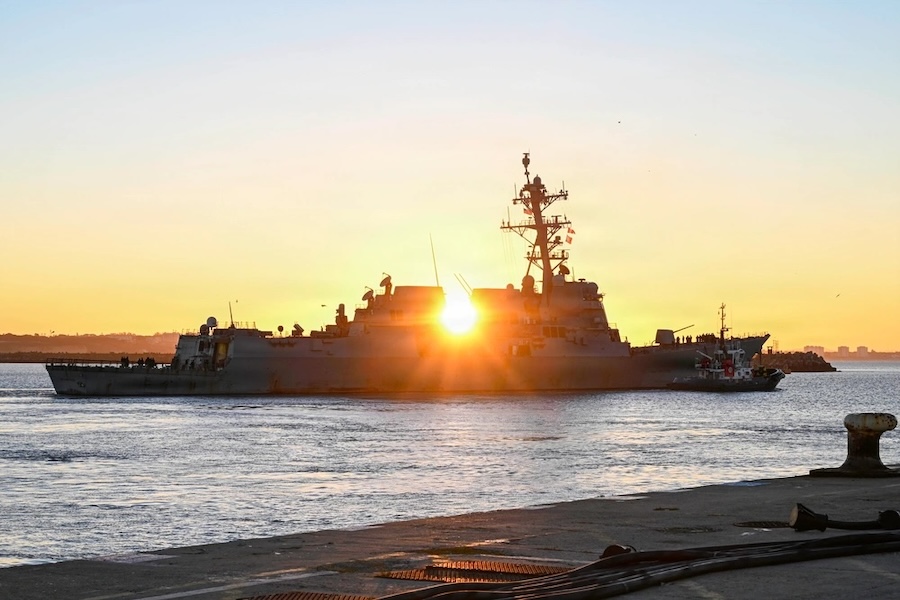
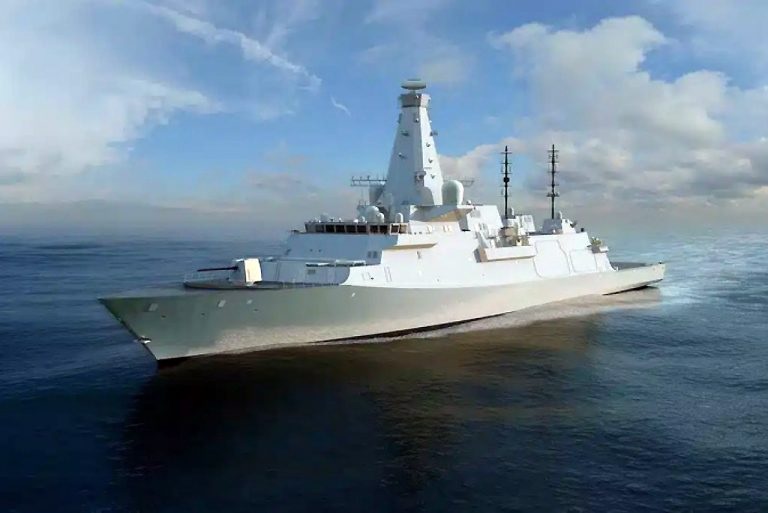
Both nations will operate an interchangeable fleet of British-built Type 26 frigates, with eight British and at least five Norwegian ships forming a combined anti-submarine force. The UK’s £10 billion deal with Norway, agreed in September, will support more than 4,000 skilled jobs and underpin plans for the two navies to share vessels, crews, technology and maintenance facilities.
The agreement is named after the Shetland base used by the wartime Norwegian resistance, reflecting more than 75 years of security cooperation between the two NATO members. Norwegian Defence Minister Tore O. Sandvik said: “Norway and the United Kingdom share strong bonds and common security interests. We have close defence cooperation that stretches from the Second World War to today. With this agreement we are further strengthening our cooperation across all defence domains, from the seabed to outer space.”
The pact reinforces the UK’s role in European security and aligns with wider efforts to restore close defence ties with Germany and France. Prime Minister Keir Starmer said: “At this time of profound global instability, as more Russian ships are being detected in our waters, we must work with international partners to protect our national security. This historic agreement with Norway strengthens our ability to protect our borders and the critical infrastructure our nations depend on.” He added: “Through joint navy cooperation in the North Atlantic, we’re boosting security, supporting thousands of UK jobs, and showcasing Britain’s world-class shipbuilding on the global stage.”
British and Norwegian defence ministers John Healey and Tore O. Sandvik will sign the agreement in London before visiting the Maritime Capability Coalition in Portsmouth, a joint programme delivering training and equipment to strengthen Ukraine’s maritime forces. The deal also confirms that Norway will host greater year-round presence from UK Royal Marines, who will train in Arctic and non-winter conditions and form a more immediate reinforcement option for Norway in crises.
Sandvik said: “British Royal Marines have a long tradition of training for winter operations with naval and amphibious forces in Inner Troms. Going forward they will also train in Norway outside the winter season. By being more present in Norway, the British Royal Marines will become more closely tied into the defence of Norway and will be able to come to our assistance quickly should a crisis or conflict occur.” He added that both countries are evaluating options to pre-position British equipment and create facilities to receive UK forces.
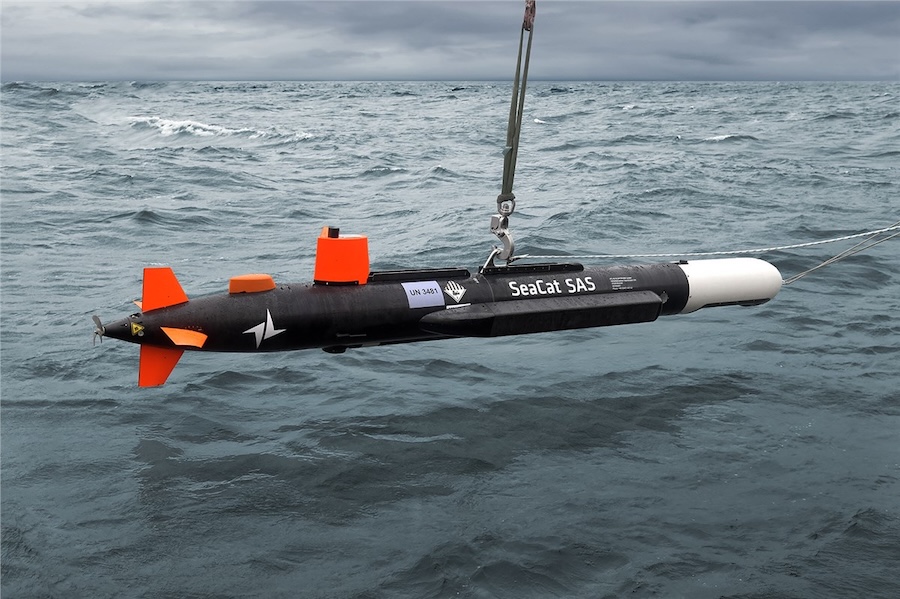
The two nations will also expand cooperation on advanced autonomous systems, including low-cost drones for surveillance across the North Atlantic and the High North. Sandvik said: “Russian military activity in the North Atlantic and the Barents Sea has increased. Together with the United Kingdom, we monitor and track their movements. We know that Russia has capabilities that could pose a strategic threat to Western infrastructure on the seabed. That is why we will continue to develop our surveillance capabilities in the north and monitor developments with a watchful eye.”
The pact strengthens joint anti-submarine capabilities, with both countries aiming to procure nearly identical frigates to enable seamless operations. Sandvik said: “We intend to link the Norwegian and British navies more closely together than ever before. The goal is to develop a combined Norwegian-British frigate fleet that can operate completely seamlessly. This means we will share vessels, crews and technology. In addition, the Norwegian and British navies will sail and train even more together in our shared region.”
Healey said the agreement represents a clear response to rising pressure in northern waters. He stated: “In this new era of threat and with increasing Russian activity in the North Atlantic, our strength comes from hard power and strong alliances. When our critical infrastructure and waters are threatened, we step up.” He added: “For over 75 years, the UK and Norway have stood shoulder-to-shoulder on NATO’s northern flank, defending Europe and keeping our people safe. This partnership takes us further, making our nations more secure at home and strong abroad.”
Healey said the Lunna House Agreement will tighten joint patrols, Arctic training and equipment development. He said: “Through this Lunna House Agreement, we will patrol the North Atlantic as one, train together in the Arctic, and develop the advanced equipment that will keep our citizens safe now and into the future. We are stepping up on European security and delivering on our NATO-first plan.”
Sources: