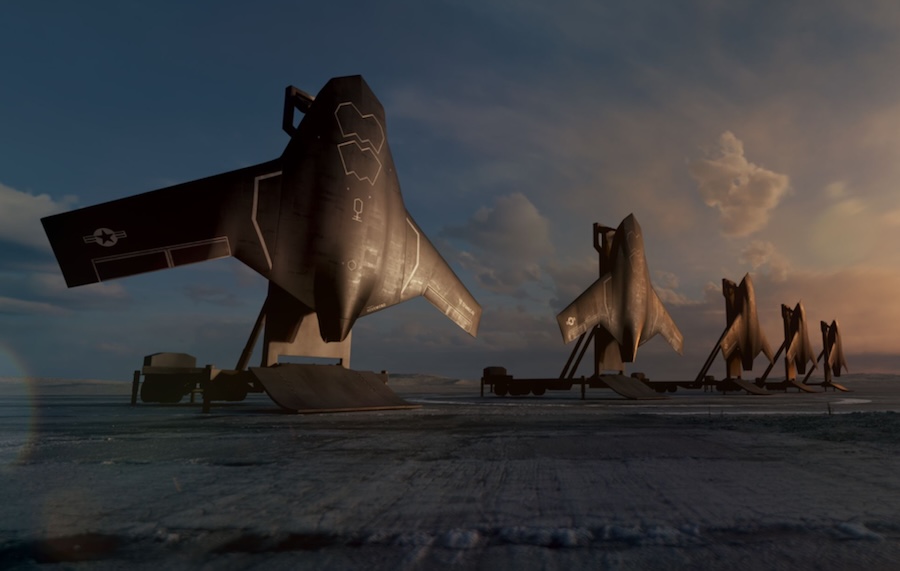

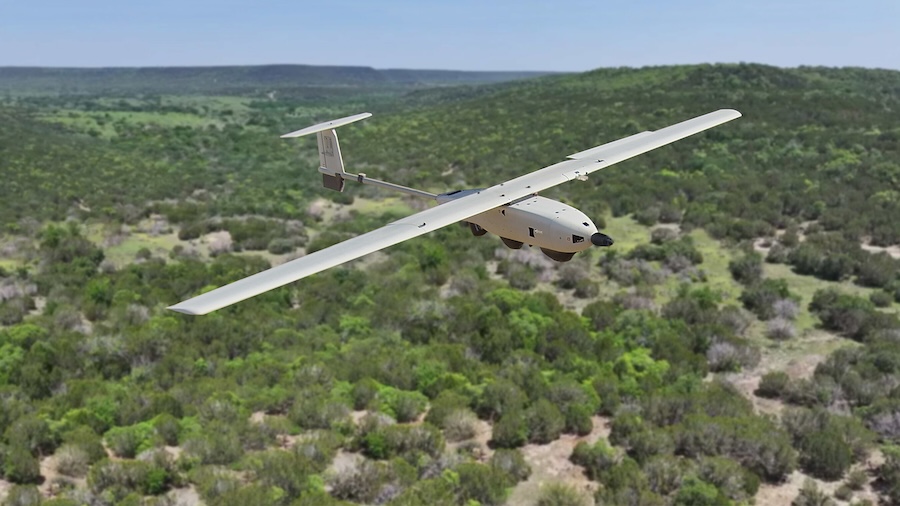
During the trial, the system simulated several fuel related contingencies and the ground command and control system analysed each scenario within seconds. It generated new plan options for the operator, who then selected one, prompting the AI to shift the Stalker’s tasks to the Alta X and command the Stalker to return to base.
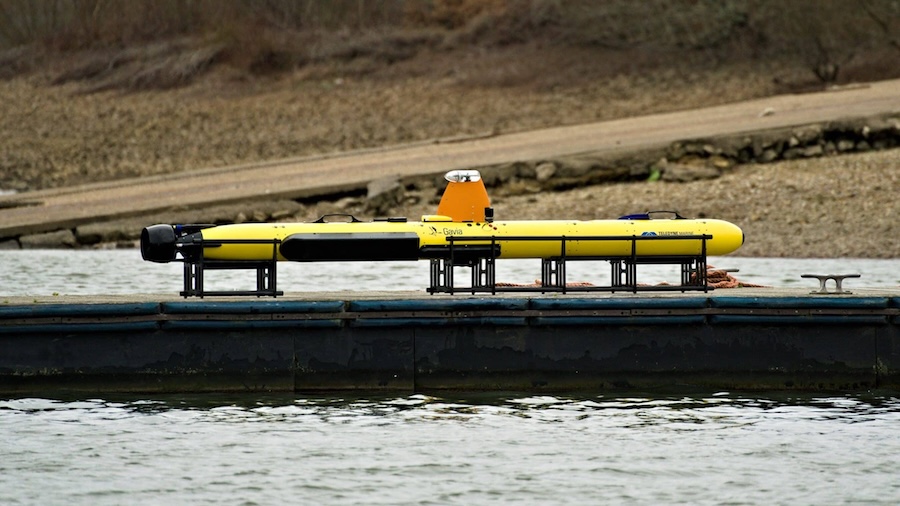
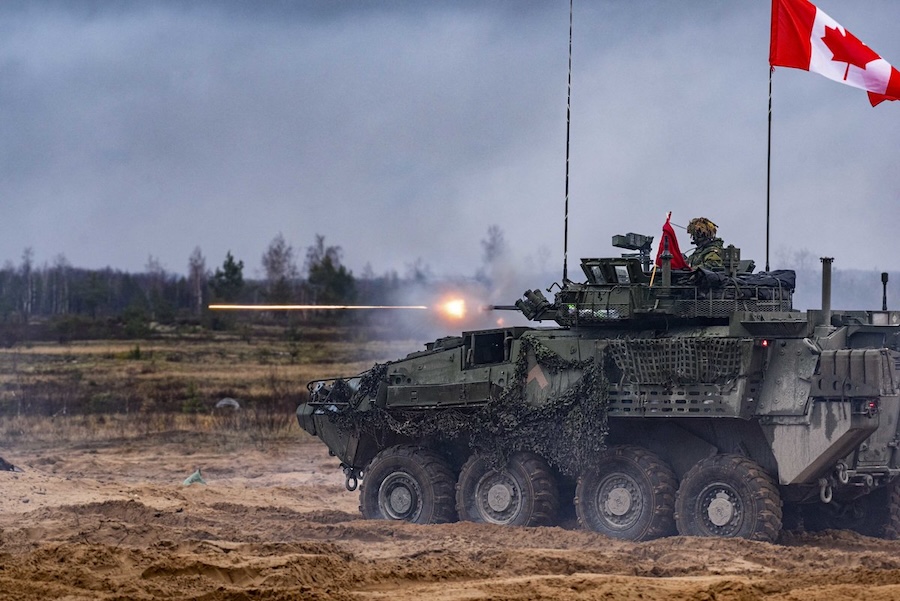
Lockheed Martin said this allowed the operator to manage the issue quickly while remaining focused on other mission duties. The Stalker also supplied mission data to a unified command node that was managing an unmanned ground vehicle in Kansas with support from UAVs provided by Fulcrum.
The company said the demonstration proved how one mobile command node can support and direct multiple drone networks across different environments. “This demonstration proves AI can move from the lab to the battlefield, delivering a multitude of capabilities ranging from autonomous decision-making to rapid data flow between unmanned vehicles across air, ground and synthetic environments,” said OJ Sanchez, vice president and general manager, Lockheed Martin Skunk Works.
“By fusing AI enabled UAV replanning with UGV capabilities, we give warfighters the safety, speed and confidence they need to act first in contested environments,” he said. The test team also used Lockheed Martin’s STAR.SDK, part of the STAR.OS constellation, to link the contingency application to a user interface and enable operators to use a chat assistant for re tasking options.
Lockheed Martin said STAR.OS allows different AI systems to work together, including unmanned platforms, by helping developers build and deploy AI services efficiently. The company added that the demonstration highlights its commitment to autonomous capabilities and open architecture designed to support multi domain integration for US and allied forces.
Source: Lockheed Martin (press release).