The investment round was led by Altimeter Capital and Lightspeed Venture Partners, with additional participation from Lavrock Ventures, Andreessen Horowitz, General Catalyst, First In, Space VC, Cantos, BlueYard, Avenir, Champion Hill and Interlagos. Castelion said the capital will enable development milestones including the construction of its Project Ranger final-assembly facility and multi-service testing planned for 2026.
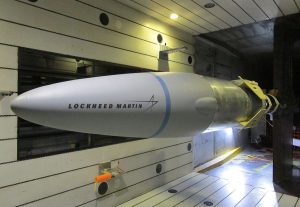
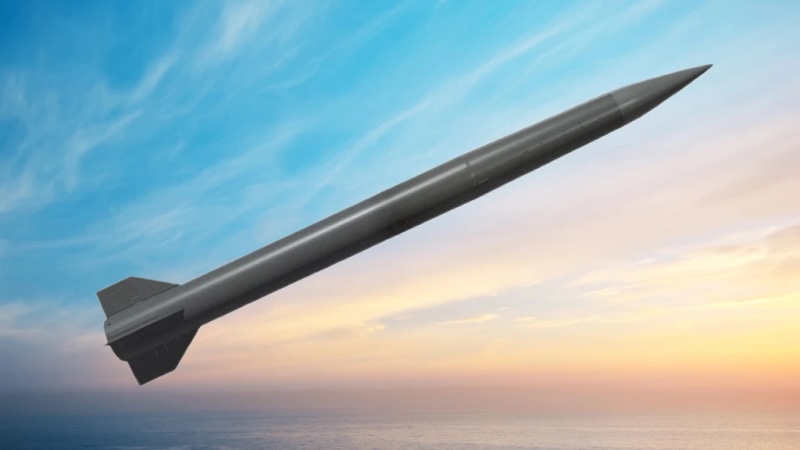
“Blackbeard helps close America’s hypersonic capability gap against China and Russia,” said Bryon Hargis, CEO and Co-Founder of Castelion. He added: “This funding lets us build fast, test often, and produce at volumes that matter in the real world.”
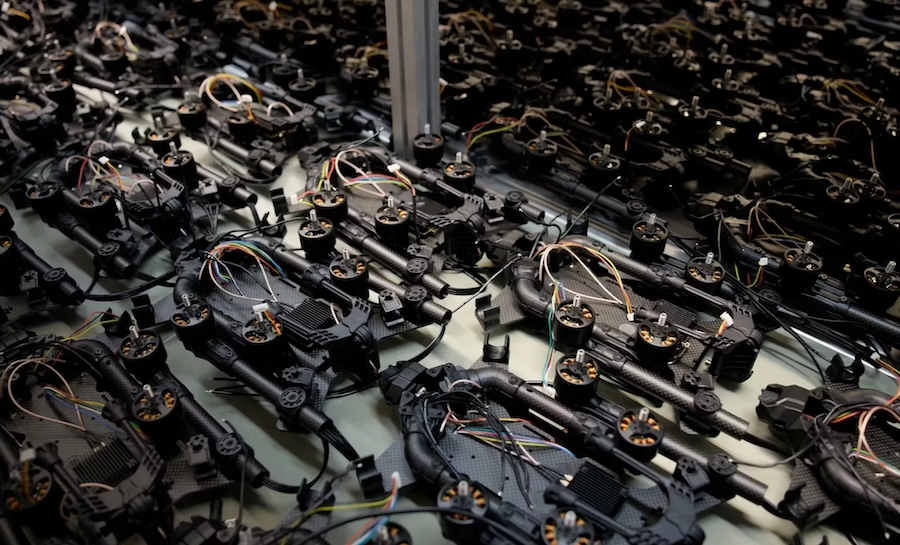
The company stated that the investment will expand domestic manufacturing capacity and workforce programmes. Its Project Ranger site in Sandoval County, New Mexico, announced in November, will support tooling, commissioning and production scale-up across a 1,000-acre solid rocket motor manufacturing campus.
Further planned activities include continued high-tempo testing in 2026 and parallel development of a second hypersonic system using shared production infrastructure. Castelion said the facility will have the capability to produce thousands of Blackbeard missiles annually and support hundreds of skilled industrial roles.
Investor groups highlighted the programme’s pace of development and alignment with U.S. defence priorities. “Castelion was founded by a special team of SpaceX alumni who, in just 2.5 years, took a clean-sheet hypersonic from concept to 25+ flight tests and major integration contracts,” said Erik Kriessmann, Partner at Altimeter Capital. He added: “We’re leading this round because of what they’ve achieved in record time and so they can rapidly scale production of one of the U.S. Department of War’s most critical capabilities: affordable, mass-produced hypersonics, from hundreds to thousands of missiles per year.”
“Castelion isn’t just building missiles; they’re rebuilding America’s industrial depth,” said Connor Love, Partner at Lightspeed Venture Partners. He stated: “This team has proven they can move from blank sheet design to hardware under test faster than anyone thought possible.”
Alex Poulin, Partner at Lavrock Ventures, said: “Lavrock invests in critical technologies that strengthen America’s national security, and Castelion is doing exactly that.” He added: “Hypersonics only matter if you can build them at scale. Castelion’s team understands that, and they’re engineering a production-ready capability designed for real-world manufacturing and deployment. We’re proud to be early backers of a team focused on delivering capacity, not just concepts.”
“Hypersonic weapons capacity will shape great power competition for generations,” said Katherine Boyle, General Partner at Andreessen Horowitz. She stated: “China recognized this a decade ago and deployed at scale. Castelion leads America’s arsenal renewal with the speed, cost advantage, and volume at scaled production that our nation demands.”
“Castelion is transforming the economics of our defense industrial base,” said Paul Kwan, Managing Director at General Catalyst. He added: “Modern deterrence demands hypersonic capability at a pace, scale and cost that the U.S. has never seen.”
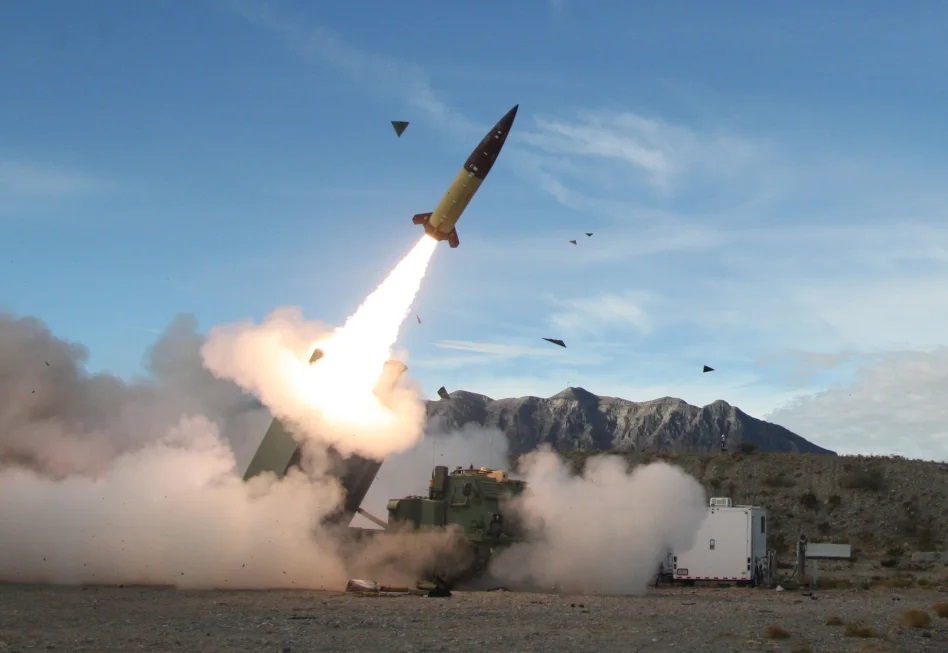
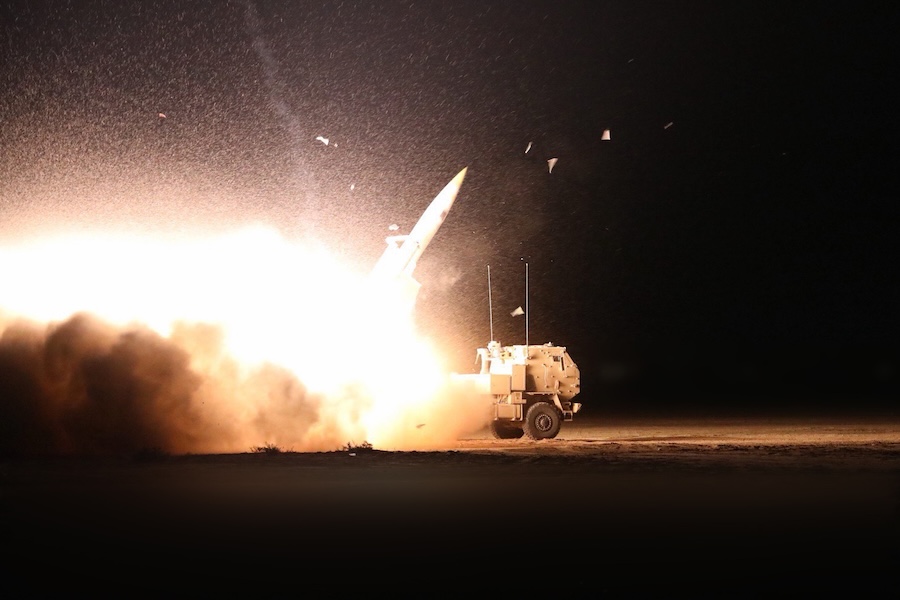
The company reported more than 20 development flight tests in 2025, validating internal solid rocket motors, flight computers, thermal protection, control systems, seekers and mission software. Castelion stated that its approach compresses development timelines from years to months and establishes the industrial foundation needed for high-rate missile production.