Guetlein said the effort has a “solid plan” while acknowledging its difficulty. “I think we’re on a good trajectory, but I will tell you, it is not a ‘gimme putt’ … and there’s a lot of risk in there,” he said.
The Pentagon has disclosed little about the project, which is expected to cost hundreds of billions of dollars. “There are likely people in that audience that I don’t want to know what we’re doing,” Guetlein said, adding he hopes to “start opening up dialogue in the new year.”
Although public information remains limited, Guetlein said more details have been shared on a classified basis with industry and Congress. Sen. Deb Fischer said she was satisfied with the material provided to her as chair of the Senate Armed Services Strategic Forces subcommittee.
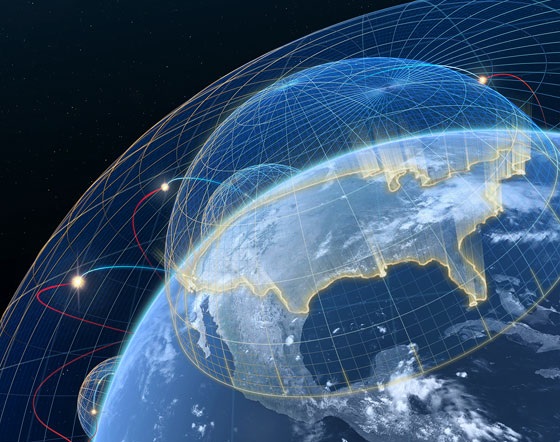
Golden Dome was established by an executive order issued by President Donald Trump in January and will expand current homeland missile defences. The aim is to counter advanced ballistic missiles, hypersonic weapons, cruise missiles, drones of multiple sizes, and emerging threats such as fractional orbital bombardment systems.
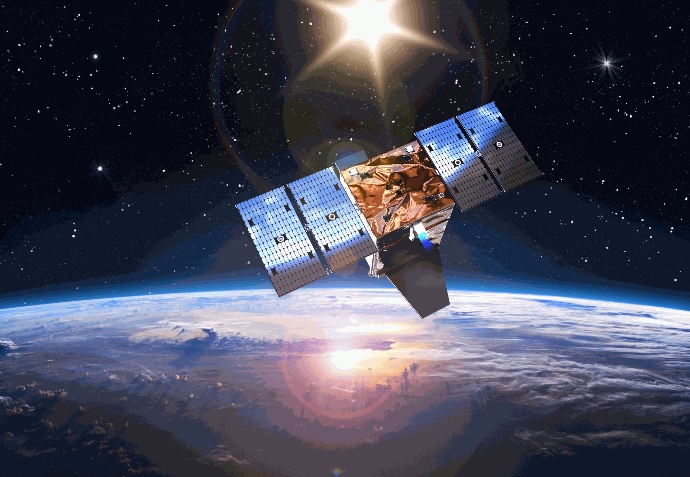
The system will rely on a new network of sensors, interceptors, and command and control tools, including space-based elements. Guetlein, who reports directly to Deputy Secretary of Defense Steve Feinberg, said Golden Dome will build on existing programmes rather than start from scratch.
“We are focused on the entire homeland, to include Hawaii, Alaska, and Guam,” he said. He added that Army efforts to protect Guam “will become part of Golden Dome” once complete.
The programme advances amid broader uncertainty over future Pentagon budgets. Defence Secretary Pete Hegseth said the department “received a historic boost in funding last year” through a reconciliation bill but noted that long-term spending levels remain unsettled.
Budget pressures linked to inflation and competing priorities continue to weigh on planning. “Have we made a decision yet on another reconciliation bill? No, we have not,” Office of Management and Budget Director Russell Vought said, though he pledged “we will make sure that we continue to grow.”
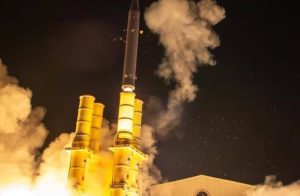
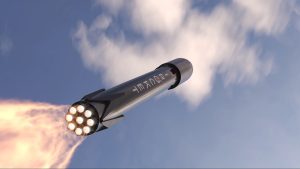
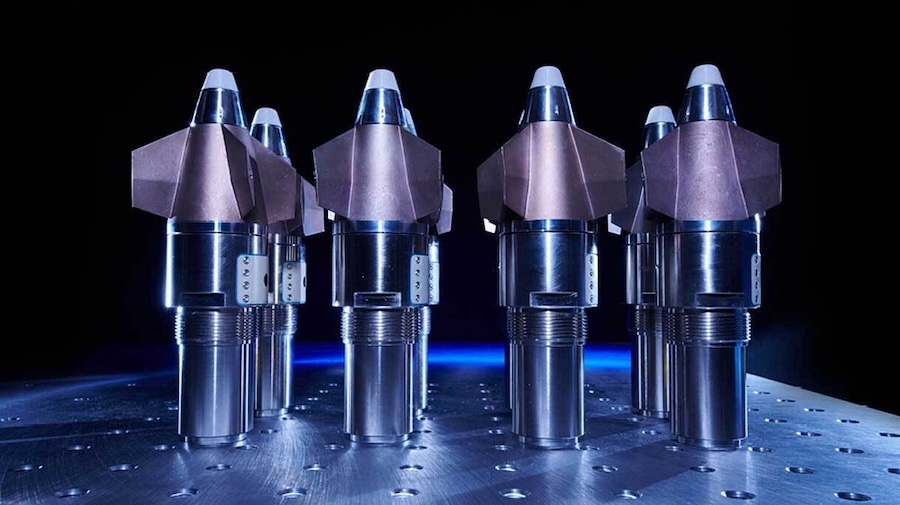
Guetlein offered the most detailed public update so far, highlighting ongoing work on new interceptor technologies. He said 18 Other Transaction Agreements have been awarded for space-based interceptors and confirmed “that’s now off and moving.”
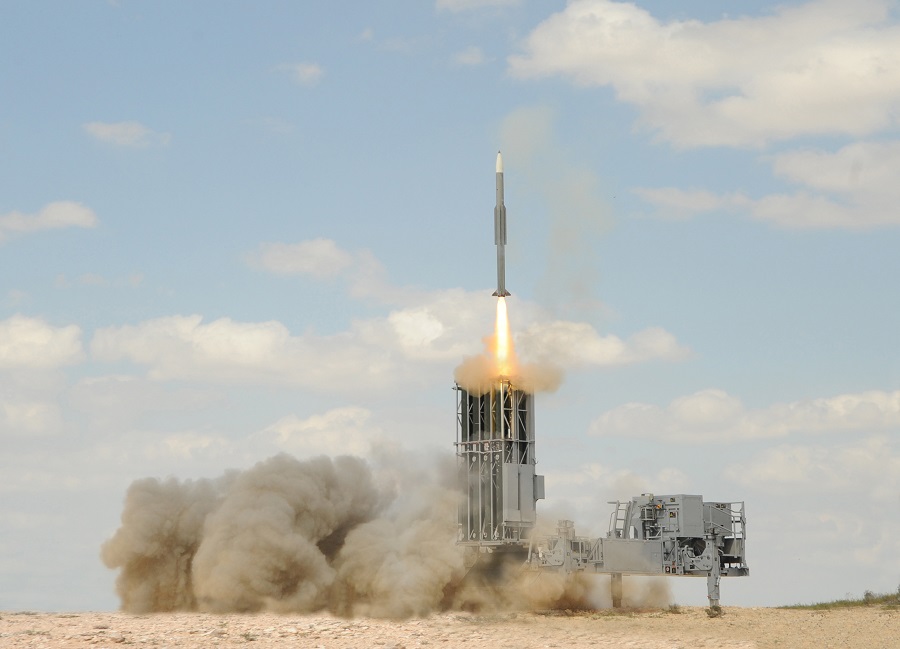
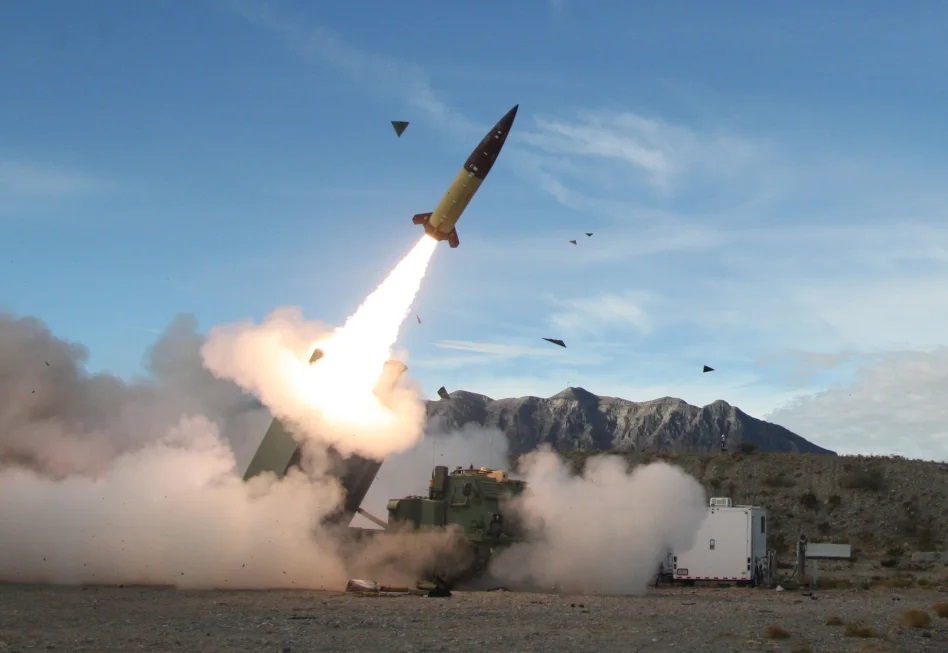
Traditional interceptor capacity is also being expanded as Feinberg’s office works “really, really hard to scale out the industrial base … to expand the magazine depth of our weapons.” Guetlein said industry is “already moving out on acquiring the interceptors that we need for Golden Dome.”
He added that the programme has defined its needs for sensing, data transport, missile warning, and missile tracking. “We are waiting on those contracts to come in … but we have given our needs to the department,” he said.
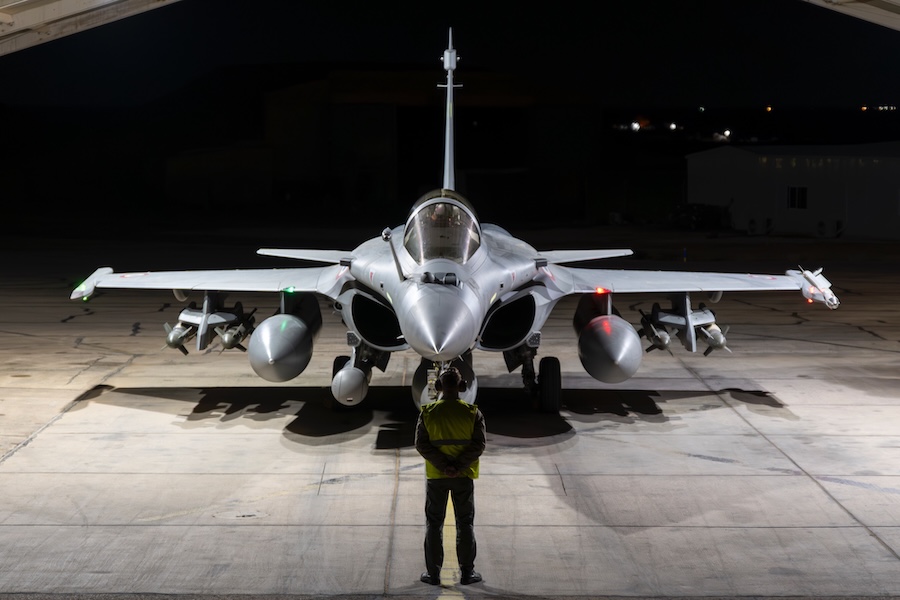
Secretary of the Air Force Troy Meink described the Air Force and Space Force as key “providers” to Golden Dome. He said he and Guetlein “talk a lot about those schedules” as their contributions take shape.
Work is also progressing on the system’s core architecture. “We have a team of industry partners working on the command and control and fire control software already,” Guetlein said, noting that more partners are being added as the contracting strategy advances.
Source: Air & Space Forces Magazine.