As Romania prepares to acquire major defence capabilities under the SAFE (Security Action for EU) framework, attention is intensifying around the country’s upcoming decision on its Infantry Fighting Vehicle (IFV) program.
Although the SAFE mechanism tends to advantage the established European defence primes, Hanwha Aerospace Romania has put forward a proposal compelling enough to break that pattern in line with its goals – offering a far more strategic and transformative vision for Romania’s defence and industrial future.
MAKE IT IN ROMANIA – Hanwha committed to achieving 80% localization in Romania
The most striking component of Hanwha’s Romanian IFV initiative is the 80% localization commitment, which far exceeds the EU SAFE rule’s 65% in-region production requirement. Hanwha stresses that this localization means genuine domestic manufacturing, substantial technology transfer, and high-skilled workforce development fully conducted inside Romania. This level of true in-country localization would ensure a strong and sustainable foundation for Romania’s defence industrial base into the future.
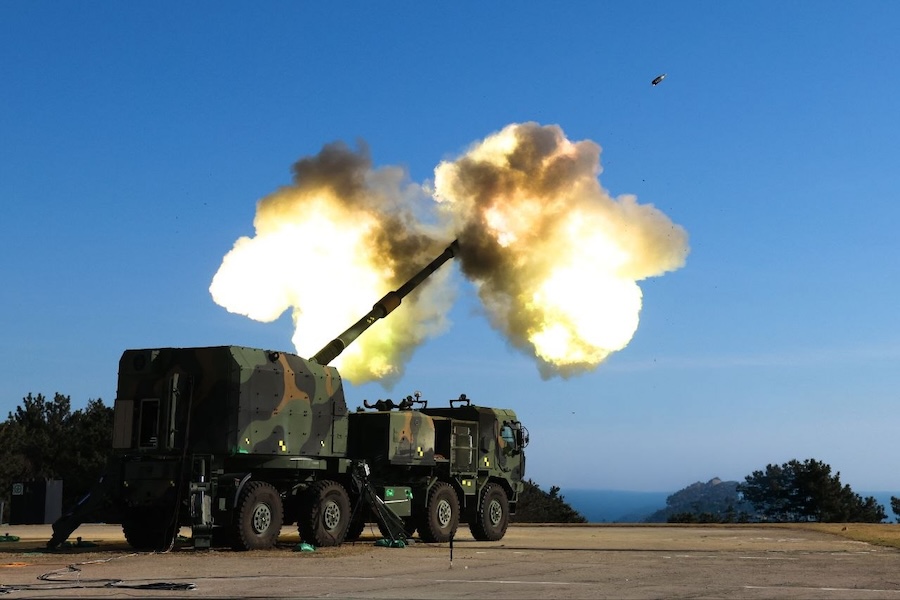
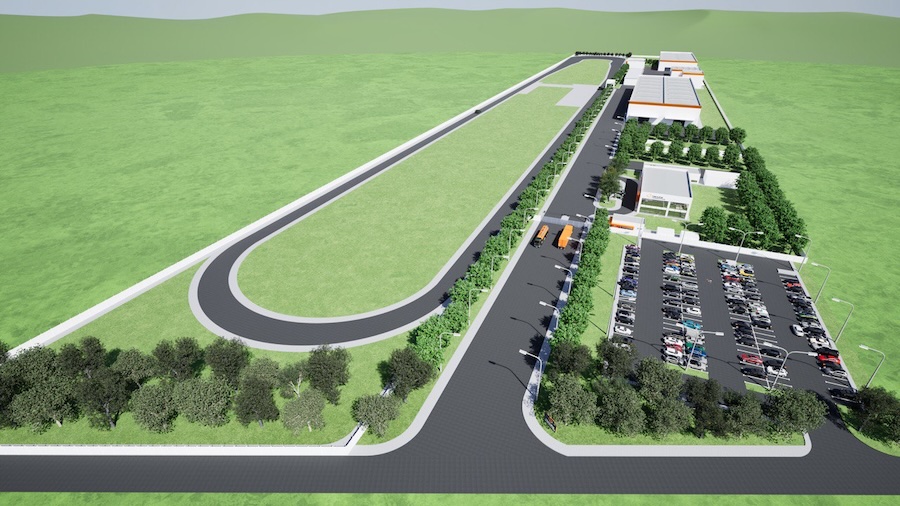
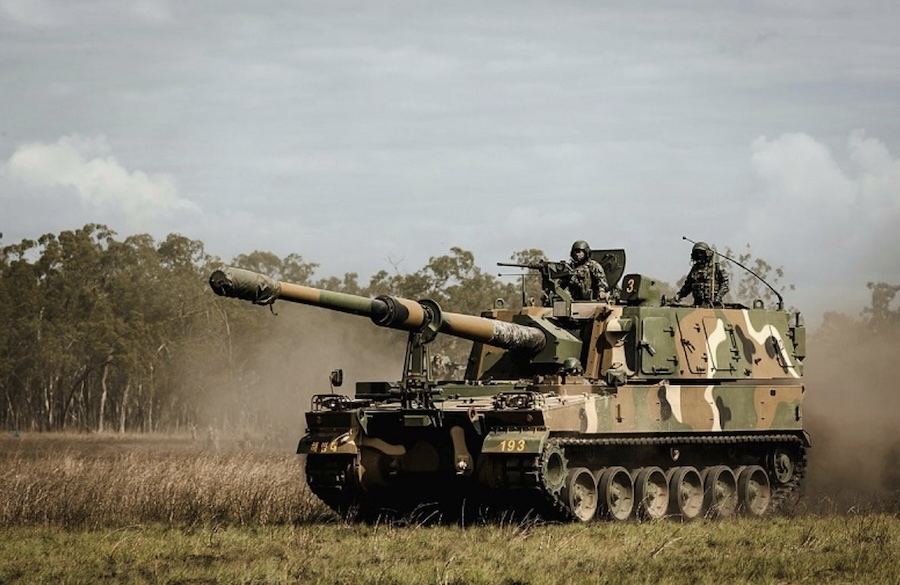
Hanwha is scheduled to start constructing a state-of-the-art production facility in Dâmbovița, which will manufacture the K9 Self-Propelled Howitzers (SPHs) for Romania and other land-defence systems including IFVs and unmanned platforms. This integrated approach will significantly strengthen the capabilities of Romanian small- and medium-sized companies (SMEs), expand their role within the defence supply chain, and positioning Romania as a land-systems hub for Europe.
Industry observers argue that if Romania uses SAFE funds — which must eventually be repaid — then it should maximize domestic benefit through high localization, industrial revitalization, and the strengthening of Romanian SMEs uplifting their ability to meet demands not only for their own government but the wider SAFE defence industry ecosystem.
Peter Bae, Chief Executive Officer, Hanwha Aerospace Romania, highlighted the scale of the vision: “We are ready to develop Romania into a land systems manufacturing hub. From modern artillery and IFVs to futuristic autonomous systems, we can build a complete land-systems production lineup here in Romania. We are fully committed to executing 80% localization in Romania — meaning work performed by Romanian hands, Romanian industry, and in Romanian facilities.”
“This is a strategic decision for Romania’s defence ecosystem; it’s not just acquiring an IFV. It directly concerns Romania’s essential security interests because we are proposing to build long-term, sovereign capability inside Romania — production, technology, and sustainment that will strengthen the country’s defence readiness for decades.”
In contrast, Rheinmetall already operates its dedicated Lynx factory in Zalaegerszeg, Hungary — opened in 2023 — while key components such as advanced optics, electronic suites, and armor packages continue to be produced in Germany, Austria, Slovakia, and the Czech Republic. Given this existing industrial footprint, the program would therefore deliver only limited industrial benefit and minimal true localization for Romania, raising legitimate questions as to whether Rheinmetall could realistically fulfill any meaningful “Make it in Romania” commitment.
FULL-SCALE TECH TRANSFER – ensuring growth of Romania’s industrial capabilities
Hanwha’s technology transfer package is expected to play a central role in elevating Romania’s defence-industrial capabilities. Establishing a prduction base in Dâmbovița means not only manufacturing platforms locally but also transferring the core technologies, processes, and engineering know-how behind them.
Jake So, Chief Technology Officer of Hanwha Aerospace Romania, emphasized Romania’s strong industrial potential: “Through K9 SPH and potentially Redback IFV production, Romanian engineers would gain hands-on experience in hull fabrication, system integration, quality assurance, and testing—skills essential for building advanced land systems. Over time, such capabilities could enable Romania to develop and upgrade indigenous platforms of its own.”
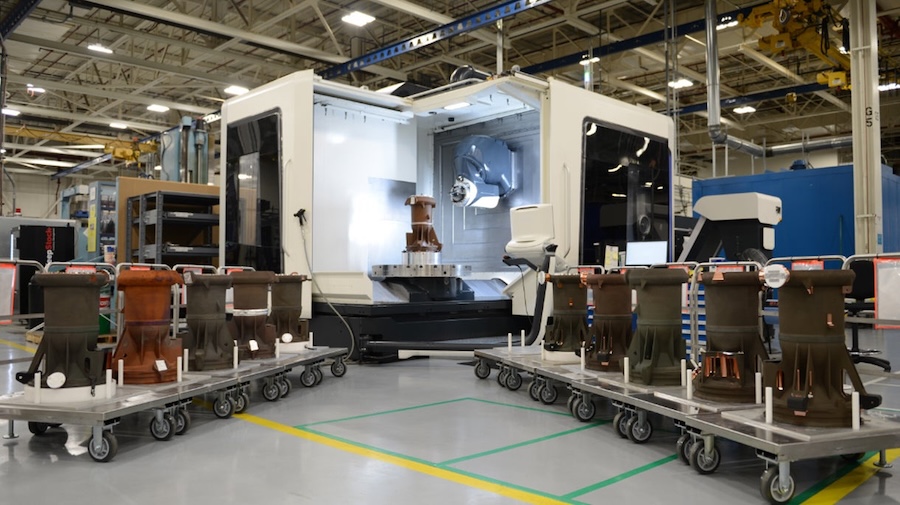
Building on this, Hanwha identifies several core technology-transfer areas that would form the backbone of Romania’s future land-systems capability. These include hull and turret structures, powertrains, hydraulic subsystems, protection technologies, and communication systems. Local production would cover critical manufacturing processes such as welding, cutting, bending, machining, and full system integration, along with other essential capabilities required for sovereign development, testing, and long-term sustainment.
SUPPLY CHAIN ENHANCEMENT – strengthening Romania’s industrial sovereignty
Hanwha places the highest priority on strengthening the local Romanian supply chain. The company has already established partnerships with more than 30 local companies, ranging from component suppliers to advanced manufacturing and engineering firms.
Mr. Bae stated: “We aim to build a robust, sustainable, and high-value industrial base together with our Romanian partners. Our plan is to expand the local supplier network to more than 100 companies in the coming years. This will ensure that a significant portion of value creation remains inside Romania and that local companies gain sustained defence-industry workshare as well as access to new technologies through continuous transfer and co-development.”
The economic effects are expected to be substantial. The operation of the Dâmbovița facility is projected to generate more than 2,000 direct and indirect jobs as K9 howitzer and Redback IFV production gets underway.
As the facility expands to include full IFV manufacturing, modernization programs, and long-term sustainment work, the employment and industrial impact is expected to grow even further — driving demand for skilled labor, specialized engineering talent, and next-generation manufacturing capabilities across Romania’s defence sector. This job creation effect reflects not only factory operations but also the wider supply-chain activation among Romanian SMEs.
REDBACK COMMONALITY – strategic advantages in defence readiness
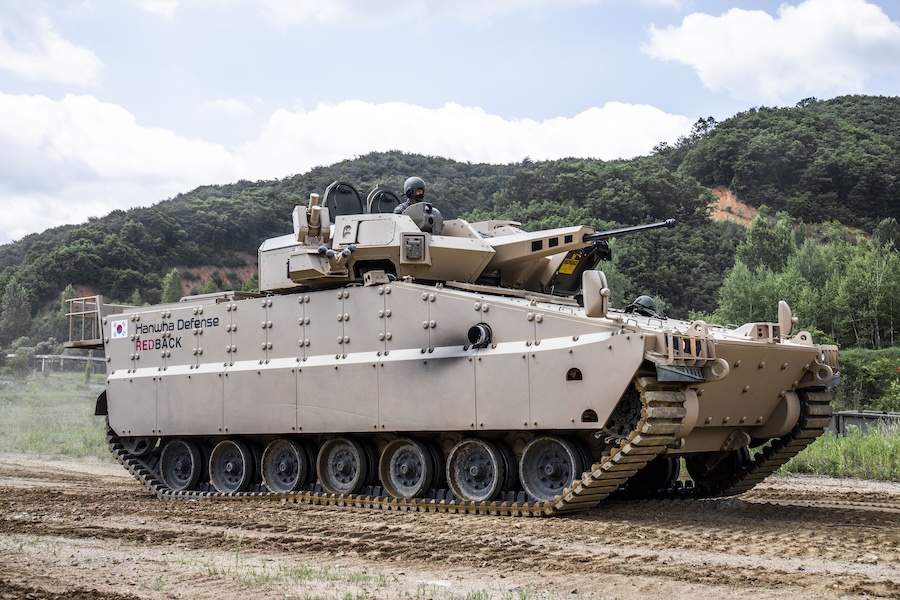
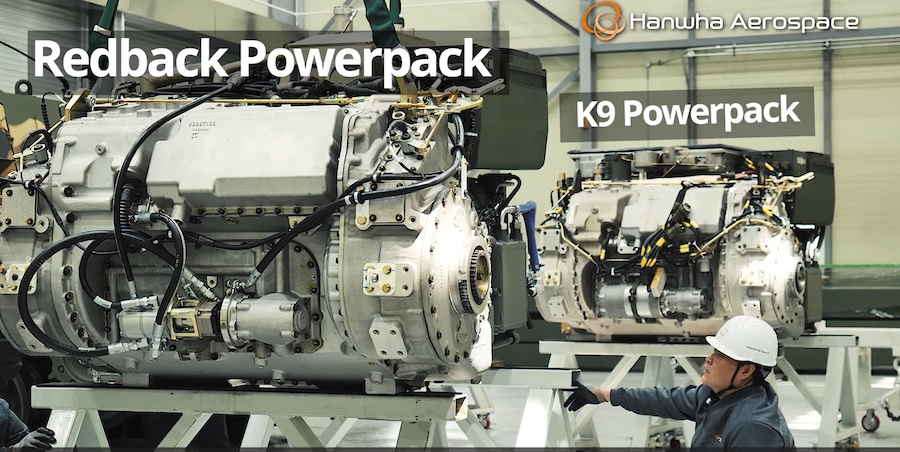
The Redback maintains an exceptional level of commonality with Romania’s existing and future land systems. It shares its engine, transmission, and drivetrain architecture with the K9 Self-Propelled Howitzer, a platform Romania is set to field in significant numbers. This commonality creates immediate advantages in production efficiency, fleet sustainment, spare-parts management, operator and maintainer training, and long-term lifecycle support.
In addition, Redback’s turret system offers outstanding compatibility with Romania’s current Piranha 5 armored vehicles. The IFV is equipped with the Redback configuration of the Elbit MT-30 unmanned turret, an evolutionary development of the UT-30 turret already deployed on Romania’s Piranha 5 fleet.
A technical assessment indicates that the Lynx KF41 would offer limited commonality benefits for Romania’s existing force structure, as its Lance 2.0 turret with the 35mm Wotan cannon represents a distinct weapons architecture not currently used by Romanian forces. Integrating such a system would necessitate new ammunition types, separate training pipelines, and new dedicated maintenance procedures on top of the existing investment.
Commonality allows Romania to unify ammunition procurement, integrate training for gunners and technicians, consolidate maintenance processes, and avoid duplicating sustainment structures for different systems. For soldiers and commanders, this directly improves operational readiness, reduces the burden on logistics units, and ensures faster, more reliable support in the field.
Australia provides a real-world example of these benefits. By jointly producing and operating the Australian version of K9 and K10 (the AS9 and AS10) and the Redback IFV, Australia is leveraging cross-platform commonality to maximize fleet readiness, streamline sustainment, reduce the training burden for their military, and reduce Whole of Life lifecycle costs — a model Romania could replicate with even greater strategic effect.
REDBACK’S SUPERIORITY OVER LYNX – proven in Australia’s rigorous IFV evaluation
Romania’s IFV program is unfolding in the shadow of the most fiercely contested infantry fighting vehicle competition of the past decade: Australia’s LAND 400 Phase 3.
Widely regarded as the latest and most comprehensive global IFV evaluation, Hanwha’s Redback competed with Rheinmetall’s Lynx KF41 in a series of rigorous military, technical, and industrial assessments conducted over a 2-year period from 2019 to 2021. Both vehicles underwent exhaustive user trials, including live-fire exercises, blast and protection testing, reliability and maintainability assessments, combat-team integration drills, and extreme-terrain mobility demonstrations.
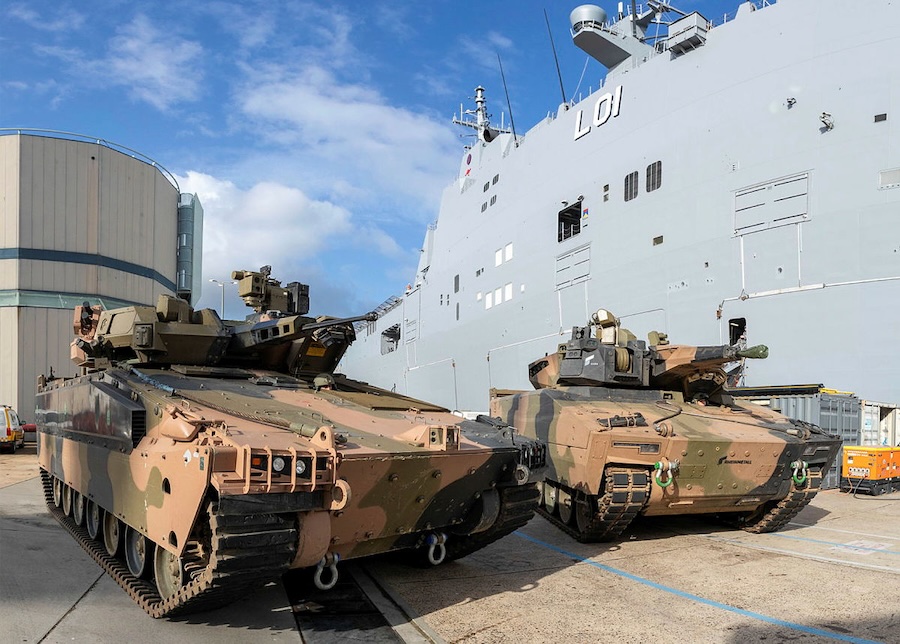
Multiple defence officials and public parliamentary testimony later confirmed that the Redback performed exceptionally well across all criteria; reliability, mobility, protection, and crew-survivability trials. Feedback from soldiers participating in the evaluation consistently highlighted Redback’s smoother ride quality, reduced crew fatigue, and superior ergonomics compared to its competitor.
Additionally, Hanwha’s industrial partnership model—including technology transfer, local-production commitments, and credible sovereign-capability development—was assessed as more realistic and reliable.
In 2023, the Australian government selected the Redback as its next-generation infantry fighting vehicle the first time an Asian OEM had won an open tender for such a complex program. LAND 400 Phase 3 is the Australian Army’s largest ever acquisition program to date, marking a huge step towards a truly digital army that focuses on a Combined Arms Fighting System (CAFS), preparing them not just for current battlefields but those of the future too.
Mr. Bae said: “The acquisition of defence equipment — systems that safeguard national security and ensure our soldiers return home safely — must be free of compromise. In the end, what matters is equipping our forces with what they genuinely need, not what is politically convenient.”