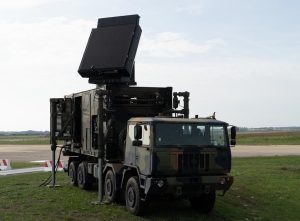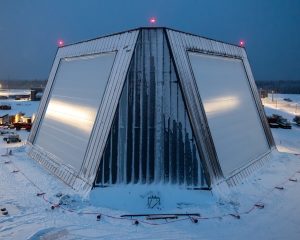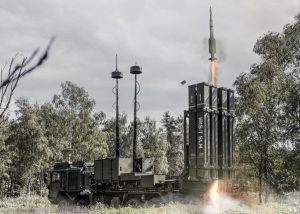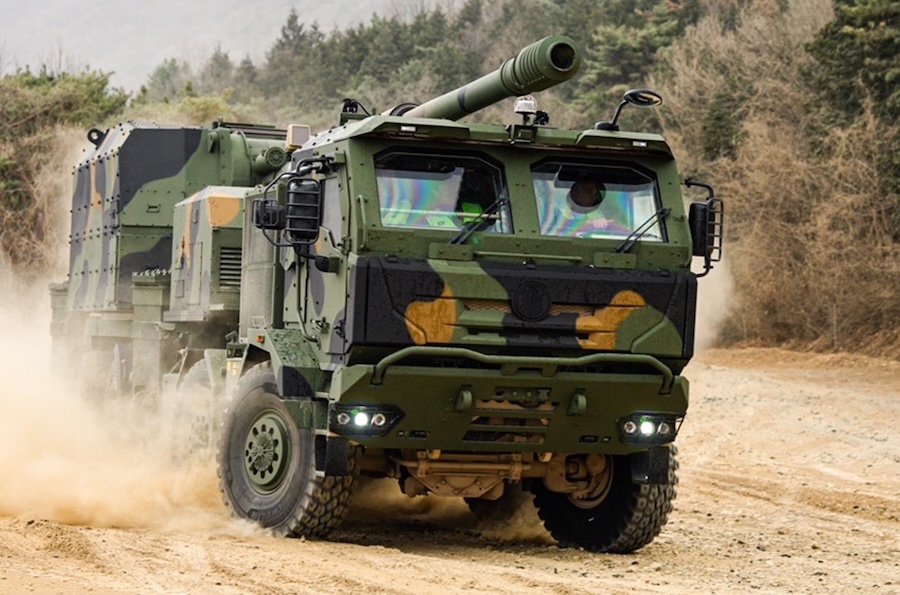


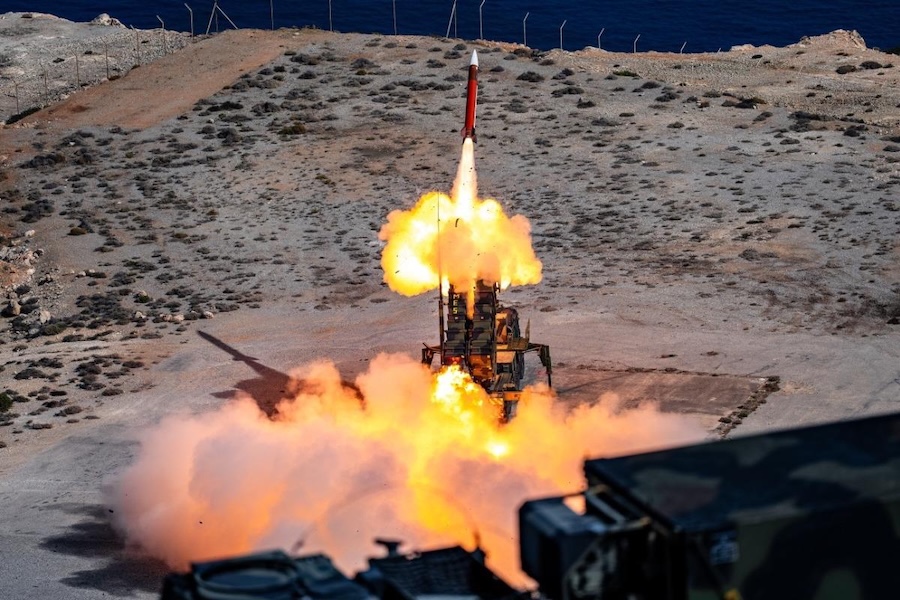
Permanent Representatives to the North Atlantic Council visited the NATO Missile Firing Installation on Crete after earlier meetings with defence industry leaders in Germany. The visit demonstrated the German Air Force’s surface-to-air missile capabilities and reaffirmed NATO’s commitment to an integrated air and missile defence approach.
German NATO Ambassador Dr Detlef Wächter stressed how industrial strength, logistics, and operational readiness support NATO’s overall posture. “A strong defence industry, logistics and operational capabilities working hand in hand, and an integrated air defence system are essential for NATO’s ability to deter and defend.” He added: “We received an impressive demonstration of the capabilities of the German defence industry, gained important insights into Germany’s role as the Alliance’s logistics hub, and underscored that Germany is prepared to take on a European leadership role in NATO’s integrated air defence.”
Greek Ambassador Vasiliki Gounari underlined the strategic value of Crete and NAMFI for the Alliance. “Crete is a location of strategic importance for NATO – a cornerstone of the Alliance’s southern and southeastern flank, positioned at the crossroads of Europe, the Middle East and North Africa. It serves as a vital anchor for NATO’s security interests, providing critical military infrastructure; a real ecosystem of NATO-related facilities.”
Lieutenant General Lutz Kohlhaus, Deputy Inspector of the German Air Force, said realistic training is vital as Europe’s security outlook becomes more challenging. “The security situation in Europe continues to evolve critically. This makes it all the more important to demonstrate the performance of integrated NATO air defence in practice and with demanding target presentation. According to the motto: Train as you fight! – train as realistically as you would fight.”
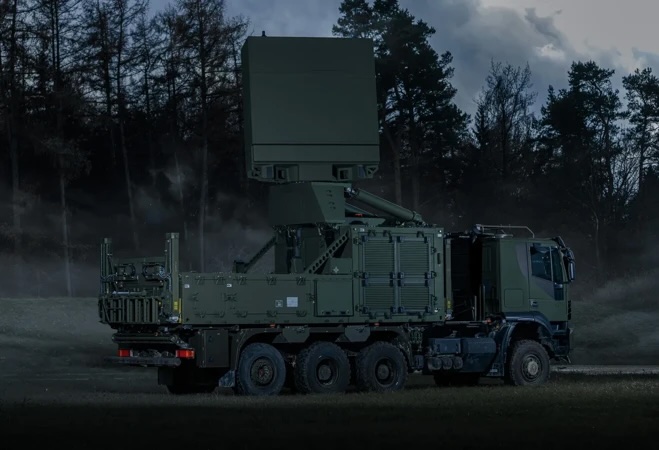
The delegation focused in particular on how multinational command-and-control structures, including the Surface-to-Air Missile Operations Centre, link with the PATRIOT system. Officials said this system-of-systems approach strengthens interoperability and allows national air defence assets to function as a single, unified shield.
Brigadier General Arnt Kuebart, Commander of German Ground-Based Air Defence, noted improvements alongside continuing requirements for investment. “NATO states are already investing heavily in ground-based air defence, but it is still not enough. Nevertheless, I am pleased that Sweden will join us here at NAMFI to train next year.” He said Germany will also carry out its first live firing with the IRIS-T system on Crete next year, marking another step in strengthening NATO’s integrated air defence architecture.
Source: NATO (SHAPE).