During the event, Army Air Defenders used the system in a complex environment that replicated real-world conditions, identifying and engaging targets with several interceptors. The interception of two surrogate cruise missile targets showed the system’s ability to defeat realistic threats and demonstrated how it can support joint missions through integration with U.S. Navy participants.
Under FOT&E, the system is being assessed for its capacity to counter new threats and meet operational needs, with the results guiding future development and fielding for the Army. Its modular open-systems design allows it to evolve and adjust to changing requirements and emerging threats.
Northrop Grumman is producing the system under a full-rate production contract at a new manufacturing centre in Madison, Alabama. The company said the facility can double its manufacturing capacity in Huntsville and scale production to meet rising demand for integrated fires, command and control in the United States and abroad.
“IBCS continues to showcase exceptional performance as seen during this soldier-run FOT&E flight test,” said Jeremy Knupp, vice president, global command and control solutions, Northrop Grumman. “By defeating complex threats, IBCS proved its flexibility to integrate new technologies and unify systems regardless of source, service or domain.”
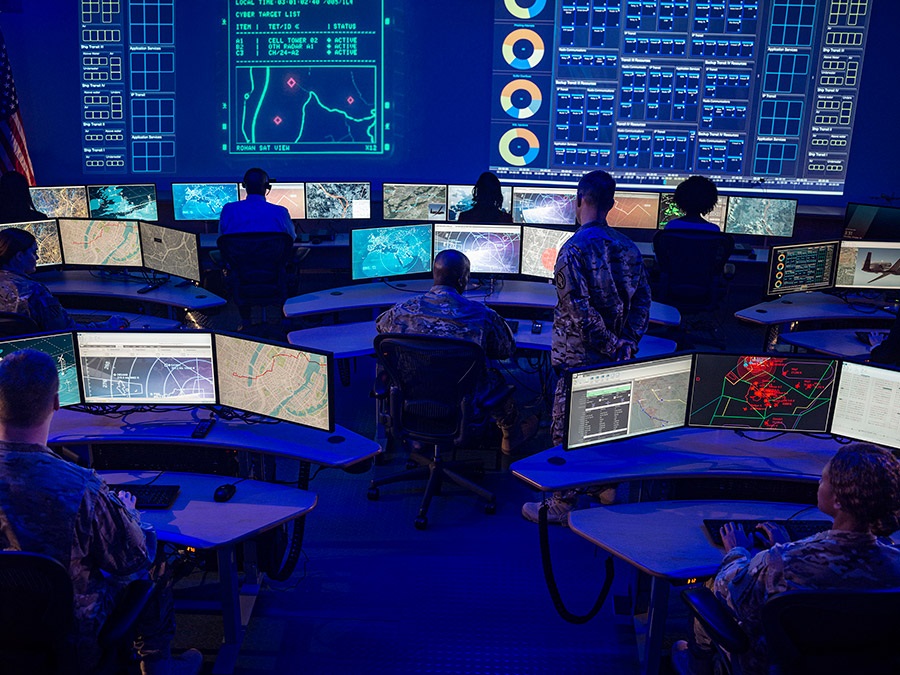
The system provides fire control quality and battle management by unifying current and future systems regardless of origin, service or domain. It fuses sensor data into a single operational picture and, through its network-enabled, modular and scalable architecture, can adapt to a changing battlespace while supporting joint and coalition multi-domain operations.
It is now in production and will be fielded under the U.S. Army’s programme of record for integrated air and missile defence modernisation. Northrop Grumman holds a five-year contract valued at more than $1 billion for low-rate initial production and full-rate work.