
Known as the “Dark Horses”, VUP-11 is based at Naval Air Station Whidbey Island, Washington. The squadron will operate under Patrol and Reconnaissance Wing 10.
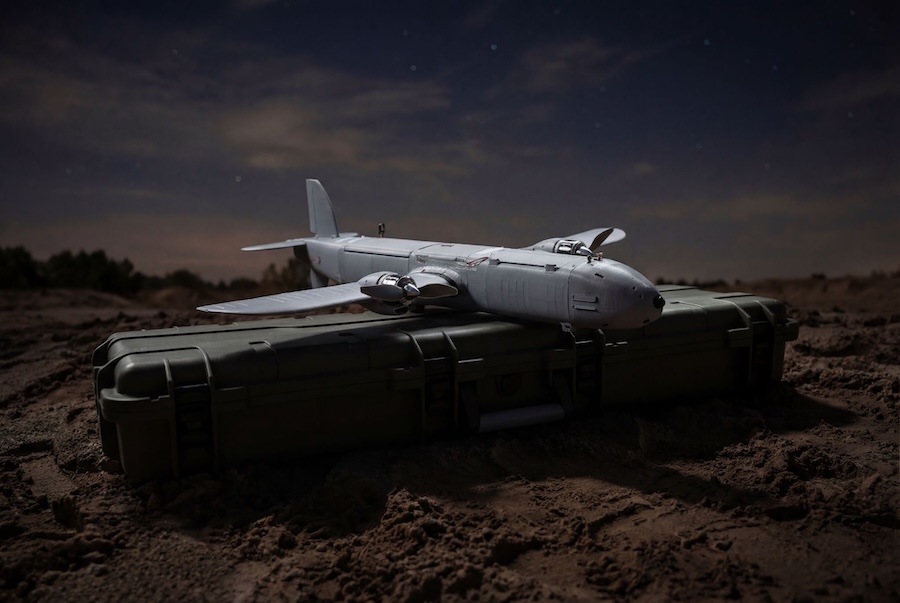
The MQ-4C Triton is a high-altitude long-endurance unmanned aircraft system designed to provide persistent intelligence, surveillance and reconnaissance. Building on the Air Force’s RQ-4 Global Hawk, the Triton offers enhanced maritime capabilities and operates globally in support of the maritime patrol and reconnaissance force alongside the P-8A Poseidon.
“The establishment of a new Naval Aviation squadron is a rare and exciting event,” said Cmdr. Brandon Pierce, who will serve as VUP-11’s commanding officer. “The continued growth of the Triton community underscores its critical role in supporting fleet and combatant commanders.”
Pierce added: “Our Sailors possess incredible technical expertise, which will only grow as the program matures.” Rear Adm. Craig Mattingly, commander of Patrol and Reconnaissance Group Pacific, said: “The MQ-4C program extends the reach and lethality of our joint force.”
“Our North Star is simple: Triton will be the airborne ISR platform of choice,” Mattingly added. “The standup of VUP-11 accelerates us towards that goal.”
The squadron’s designation pays tribute to the legacy of Patrol Squadron 11, the “Proud Pegasus”, which was deactivated in 1997 after nearly 50 years of service. Cmdr. Nathen Whisler, VUP-11’s executive officer, said: “The Dark Horse name and insignia connect us to the successes of VP-11 Proud Pegasus, while also acknowledging the contributions of Sailors transitioning from the VQ-1 World Watchers, which sun-downed in March.”
Whisler added: “As we begin to create our own legacy, we recognize that we stand upon the shoulders of giants and are building upon the foundation laid by those who came before us.” The establishment of VUP-11 reflects the Navy’s continued investment in advanced technology to deliver persistent ISR and timely intelligence to combatant and fleet commanders.