


Ship OS will use software provided by Palantir to introduce modern operational practices into the complex and data-intensive environment of naval shipbuilding. According to Phelan, “This investment provides the resources our shipbuilders, shipyards, and suppliers need to modernize their operations and succeed in meeting our nation’s defense requirements.”
Phelan added, “By enabling industry to adopt AI and autonomy tools at scale, we’re helping the shipbuilding industry improve schedules, increase capacity, and reduce costs.” He said the initiative was about “doing business smarter and building the industrial capability our Navy and nation require.”

The programme is managed by the Maritime Industrial Base initiative in cooperation with Naval Sea Systems Command and will integrate data from enterprise resource planning systems, legacy databases and operational sources. The aim is to identify bottlenecks, streamline engineering workflows and support proactive risk mitigation through a unified, data-driven production management approach.
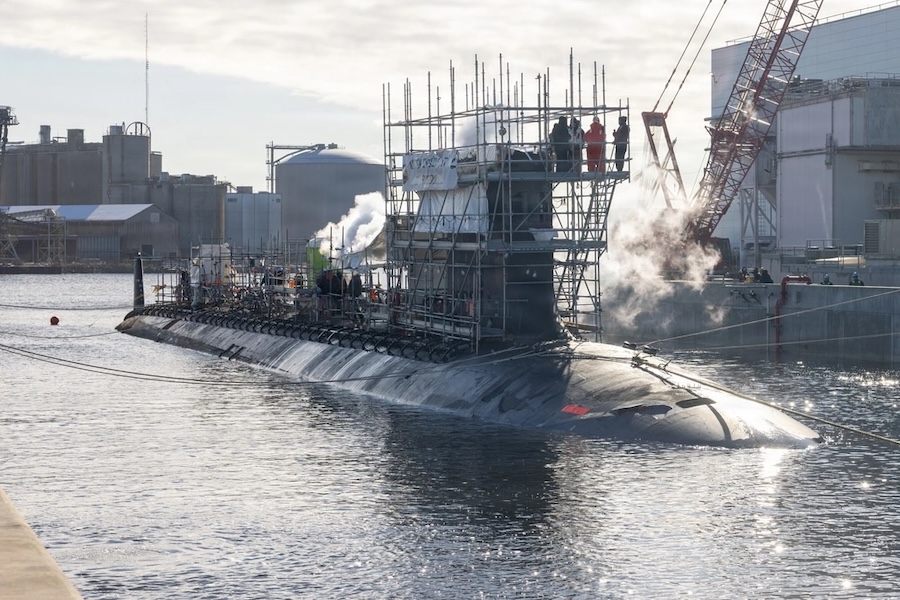
Pilot deployments have already shown significant results, the Navy said. At General Dynamics Electric Boat, submarine schedule planning was reduced from 160 manual hours to under 10 minutes, while Portsmouth Naval Shipyard cut material review times from weeks to under one hour.
The initial funding will focus on the Submarine Industrial Base, with any expansion to surface ship programmes guided by lessons learned from early implementation. The Navy said the initiative is expected to generate measurable cost savings over time by improving schedules, reducing delays and increasing productivity, while strengthening the resilience of the maritime industrial base.