
According to the report, China’s military strategy focuses on overcoming the United States through a whole-of-nation mobilisation effort described by Beijing as “national total war.” This historic military build-up has, the report says, made the US homeland increasingly vulnerable to a broad range of Chinese military capabilities.
The assessment highlights China’s expanding arsenal of nuclear, maritime, conventional long-range strike, cyber and space capabilities, which it says are able to directly threaten American security. It also points to Chinese cyberespionage campaigns in 2024, including Volt Typhoon, which penetrated US critical infrastructure and demonstrated the potential to disrupt US military operations in a conflict.
The report notes that the People’s Liberation Army continues to make steady progress towards its 2027 objectives, including the ability to achieve a “strategic decisive victory” over Taiwan and a “strategic counterbalance” against the United States in nuclear and other strategic domains. It concludes that China expects to be able to fight and win a war over Taiwan by the end of 2027.
In pursuing these goals, the report says China is refining multiple military options to force unification with Taiwan, including an amphibious invasion, large-scale firepower strikes and a possible maritime blockade. During 2024, the PLA tested key elements of these options through exercises targeting sea and land objectives, US forces in the Pacific and access to major ports.
The report adds that PLA strike capabilities could potentially reach 1,500 to 2,000 nautical miles from China, posing a serious challenge to US forces in the Asia-Pacific region if used at scale. It also states that China’s military modernisation is driven by rising defence spending and rapid technological development.
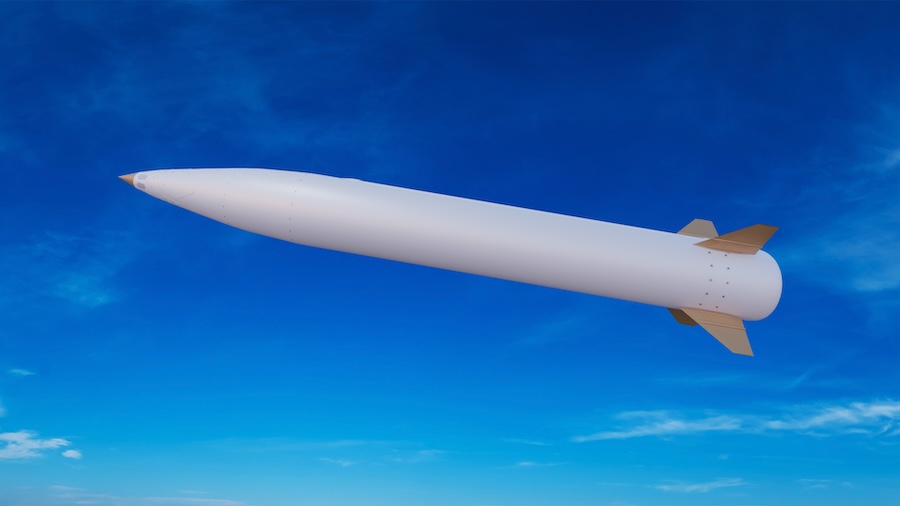
Since the first full year of Xi Jinping’s term as General Secretary of the Chinese Communist Party, China’s announced defence budget has nearly doubled, the report says. It adds that China continues to accelerate development in areas such as military artificial intelligence, biotechnology and hypersonic missile technology.
Source: United States Department of War (report).