Microelectronics operating in extreme radiation conditions must be hardened and thoroughly tested to prevent malfunctions or damage before deployment. With only four heavy-ion radiation testing facilities currently available in the United States, access to testing has traditionally taken several years.
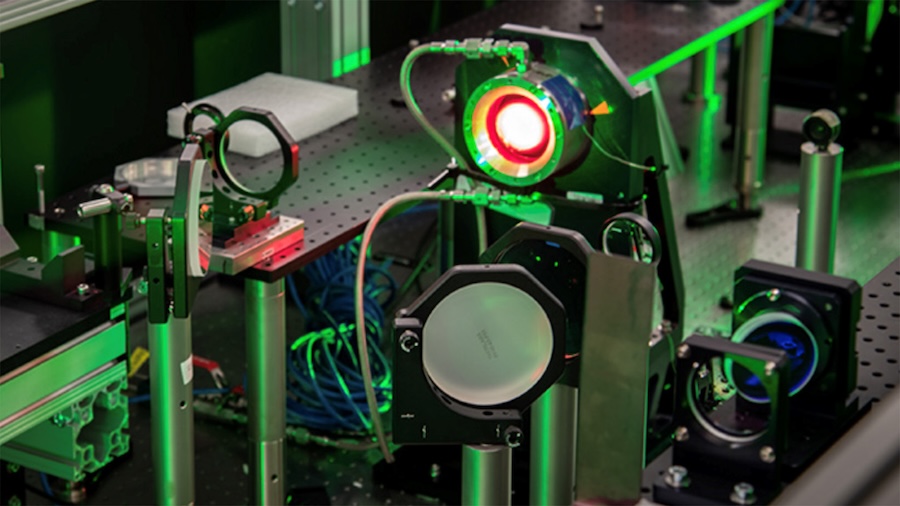
The new Northrop Grumman technology is intended to significantly reduce the time needed to design, test and deploy radiation-hardened microelectronics. It enables testing in a compact and portable laboratory environment while simulating the same randomised radiation conditions encountered in extreme operational settings.
“Northrop Grumman’s decades of engineering excellence applied to DARPA’s ASSERT program resulted in this industry-changing solution,” said Jonathan Green, vice president and chief technology officer, Northrop Grumman Mission Systems. “Improving these testing capabilities will significantly reduce the lead time on these critical microelectronics, ensuring our customers are receiving the systems they need faster than ever.”
The ASSERT programme aims to transform radiation-hardened microelectronics testing by developing laboratory-scale alternatives to large heavy-ion facilities. As part of the effort, Northrop Grumman is working with Vanderbilt University and Lawrence Berkeley National Laboratory to use laser plasma accelerator technology for high-energy electron beam testing.
This approach allows testing of packaged and stacked devices, including 3D heterogeneous microelectronics, which existing surrogate methods cannot support. Experts from Northrop Grumman’s Adaptive Optics Associates-Xinetics programmes contributed by rigorously validating the prototype to ensure it can withstand harsh operational environments.
Northrop Grumman designs, manufactures and tests millions of microelectronics each year to support defence and commercial systems in the United States. The company states that its mission-tailored microelectronics help protect the domestic supply chain and underpin the performance of next-generation military and commercial platforms.
Source: Northrop Grumman (press release).