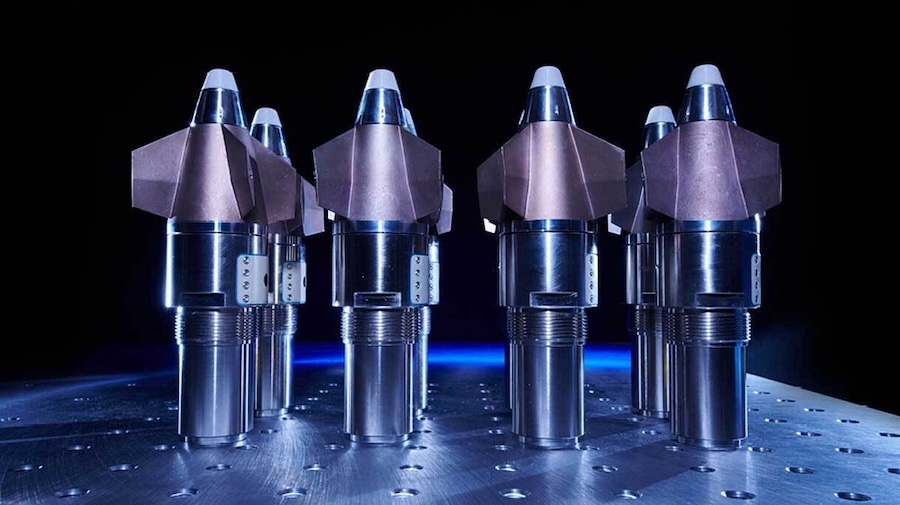



The companies said the compact ramjet design is expected to enable missiles to fly faster and further while reducing costs compared with existing ramjet options. Improved fuel efficiency, higher thrust generation and lower-speed ignition could allow the use of smaller boosters and increase payload or fuel capacity.
“GE Aerospace’s hypersonic capabilities continue to advance at a rapid pace, and this collaboration with Lockheed Martin is another step forward in our journey,” said Mark Rettig, vice president and general manager of Edison Works Advanced Programs at GE Aerospace. “The testing on the rotating detonation ramjet and inlet exceeded expectations, and we are excited about this collaboration to continue maturing our advanced air-breathing hypersonic propulsion technologies.”
“Following two years of internal investment, this demonstration is a testament to the power of collaboration, innovation and joint commitment to get affordable capability into the hands of warfighters at the speed of relevance,” said Randy Crites, vice president and general manager at Lockheed Martin Advanced Programs. He added, “This compact ramjet applies Lockheed Martin’s expertise in ramjet inlets and offers extended range at extreme speeds. We’re committed to delivering a propulsion system that advances America’s hypersonic capability in an intensifying threat environment.”
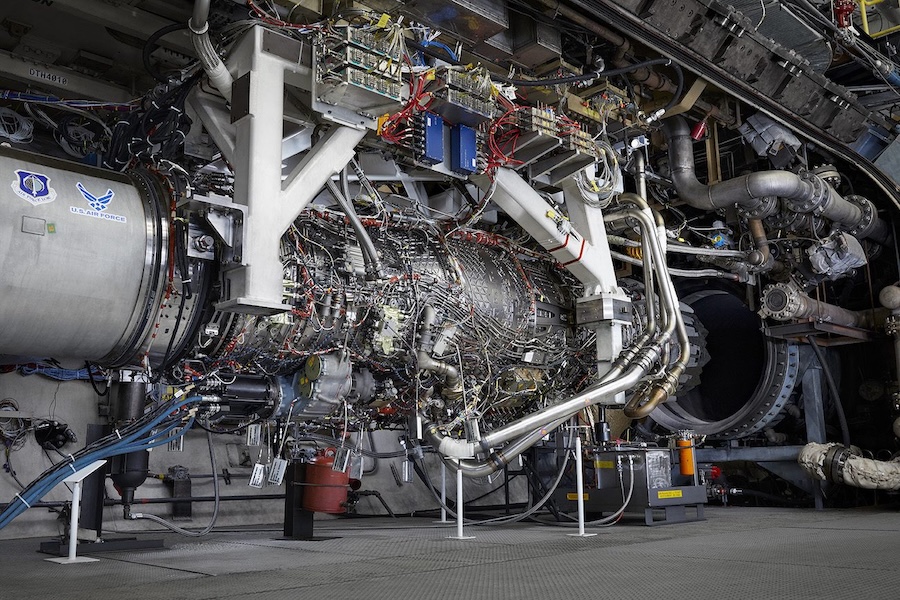
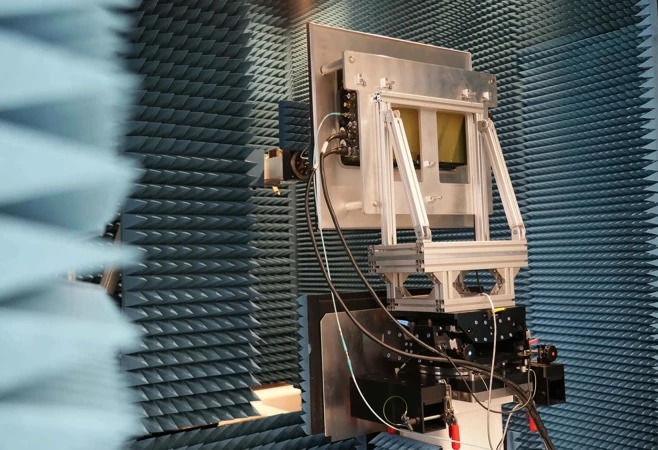
Testing was conducted at the GE Aerospace Research Center in Niskayuna, New York, using direct-connect tests that simulated ignition and cruise conditions across a range of speeds and altitudes. GE Aerospace and Lockheed Martin said they plan to continue maturing the ramjet technology during 2026.