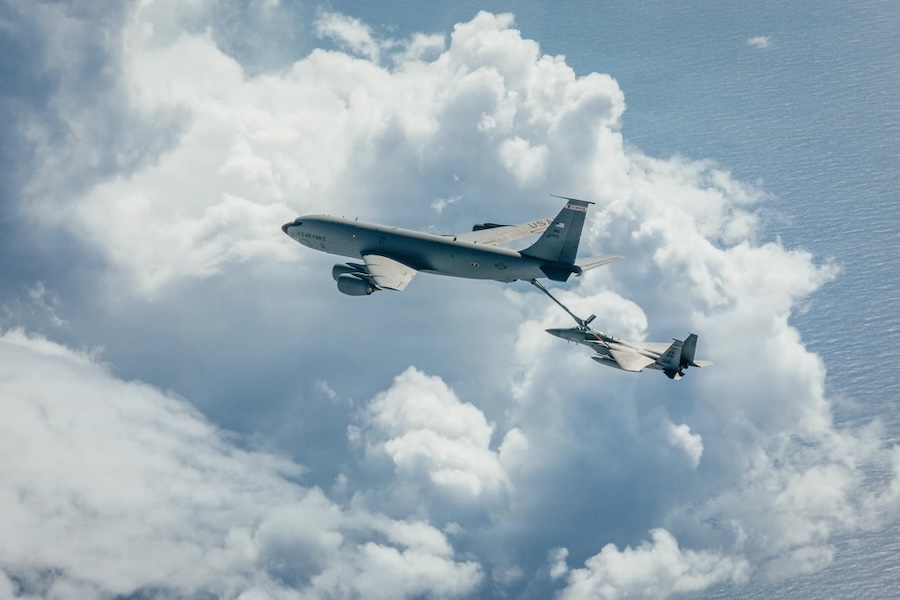
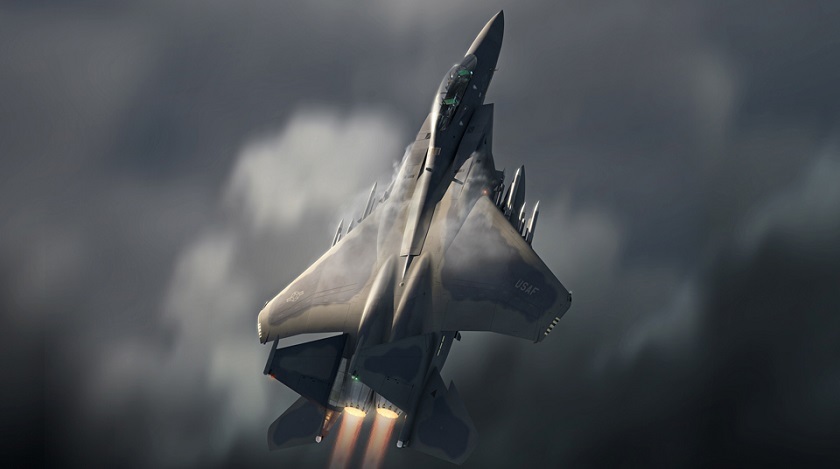
One of the F-15s will return to flight as an active NASA research aircraft, while the second will be used to provide parts to support long-term fleet sustainment. The aircraft will play a role in testing activities connected to the Quesst mission, which aims to reduce the noise associated with supersonic flight.
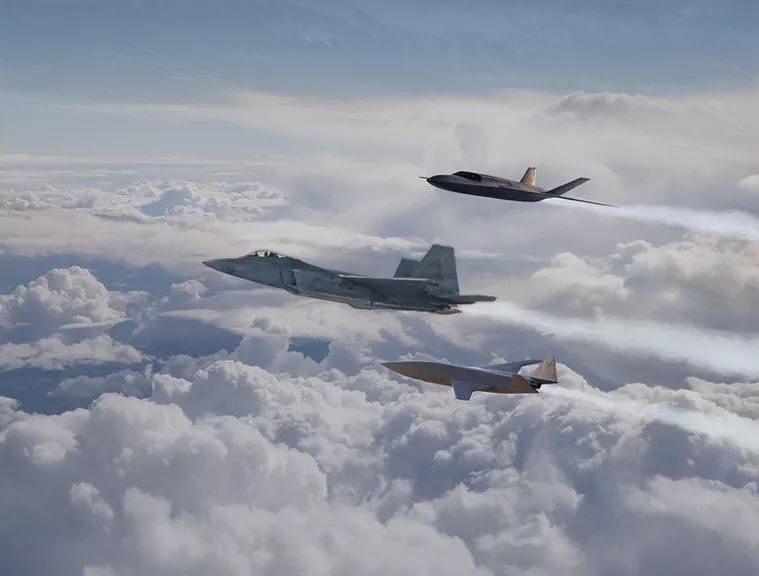
“These two aircraft will enable successful data collection and chase plane capabilities for the X-59 through the life of the Low Boom Flight Demonstrator project,” said Troy Asher, director for flight operations at NASA Armstrong. “They will also enable us to resume operations with various external partners, including the Department of War and commercial aviation companies.”
The aircraft were transferred from the Oregon Air National Guard’s 173rd Fighter Wing at Kingsley Field and arrived at NASA Armstrong on Dec. 22, 2025, after completing their final Air Force flights. Asher said NASA has operated F-15s since the early 1970s, with dozens of experiments flown that have contributed significantly to aeronautics and high-speed flight research.
The F-15 platform allows NASA to conduct high-speed, high-altitude flight testing and to carry experimental hardware externally under the wings or fuselage. The aircraft can also be modified to support specialised flight research missions and accommodate instruments that would not fit on many other aircraft.
NASA has already modified two F-15s to allow pilots to operate comfortably at altitudes of up to 60,000 feet, matching the upper flight envelope of the X-59, which will cruise at 55,000 feet. “The priority is for them to successfully support the X-59 through completion of that mission,” Asher said, adding that the aircraft will also support future advanced aeronautics research and partnerships.