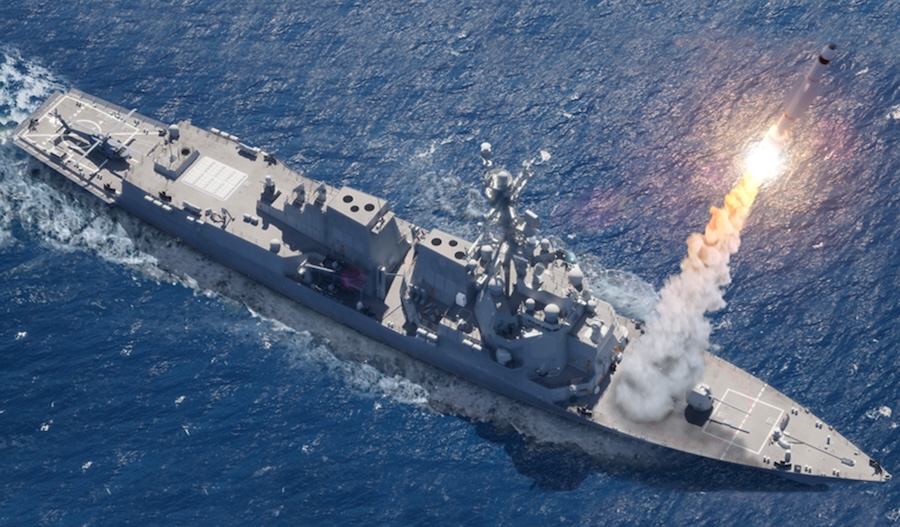


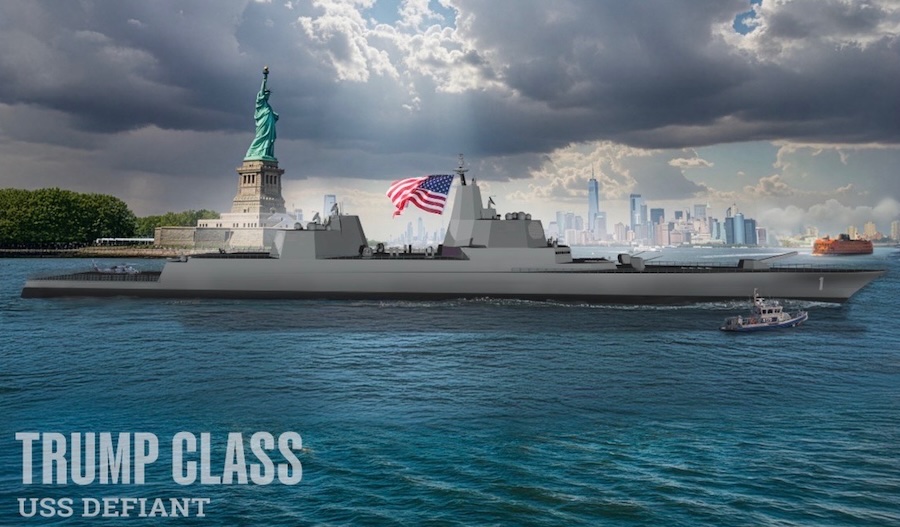
CRS explains that the BBG(X) designation reflects a battleship equipped with guided missiles and a design that has not yet been finalized. Battleships, the report notes, are generally larger than cruisers and destroyers, which themselves are larger than frigates and other surface combatants, placing BBG(X)s at the top end of the Navy’s surface fleet. The program would initially include two ships, with a potential eventual class size of 20 to 25 vessels.
The report states that BBG(X)s are intended to be a central element of the Navy’s forthcoming “Golden Fleet” force-structure plan, which would replace the current 381-ship plan. On the same day the program was announced, the Navy posted notices of two intended contract awards for design work, each with an estimated performance period of 72 months. CRS says this timeline appears consistent with procuring the first ship in the early 2030s, with entry into service likely in the late 2030s or around 2040 due to lengthy construction times.
According to the Navy, BBG(X)s would be between 840 and 880 feet long and have a full load displacement of more than 35,000 tons. CRS compares this with the World War II–era Iowa-class battleships, which were 887 feet long and displaced about 57,000 tons, and with today’s cruisers and destroyers, which are significantly smaller. The Navy has said the new ships would be conventionally powered and armed with a mix of missiles, guns, lasers, and other weapons “greater in aggregate than the combination of weapons on the Navy’s current cruisers and destroyers.”
The report also outlines potential industrial and budgetary implications. CRS notes that shipyards capable of building BBG(X)s include facilities that have produced all Navy cruisers and destroyers since the mid-1980s, as well as a yard that currently builds aircraft carriers and submarines and has previously built battleships. The Congressional Budget Office estimates the first BBG(X), if procured in fiscal year 2030, would cost between $17.6 billion and $18.9 billion in FY2025 dollars, including nonrecurring design costs, with subsequent ships costing $12.2 billion to $13.1 billion each.
CRS places the proposal in historical context by reviewing large surface combatants operated or considered since World War II, including Iowa-class battleships, nuclear-powered cruisers, the canceled arsenal ship concept of the 1990s, and the Zumwalt-class destroyers now in service. The report underscores that the BBG(X) program would represent a major shift in Navy shipbuilding, both in scale and cost, making congressional scrutiny a key factor in determining whether the plan moves forward.
Source: Congressional Research Service (CRS).