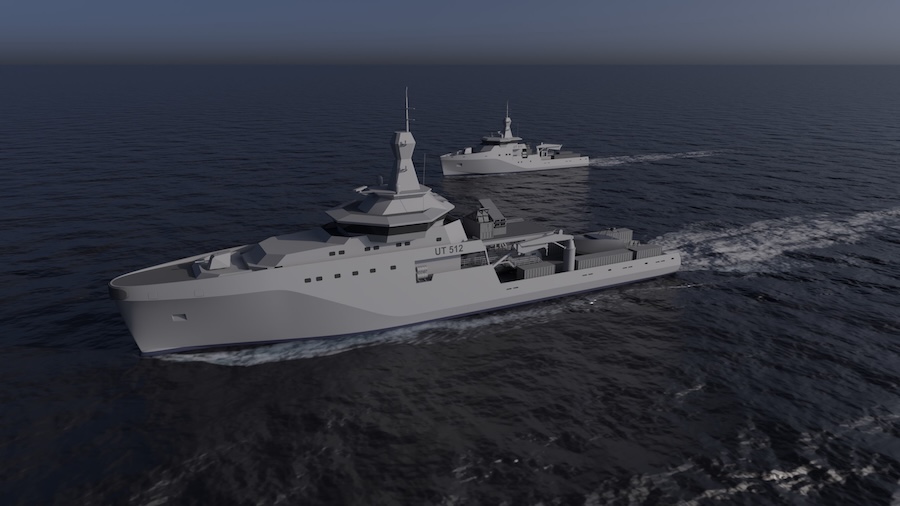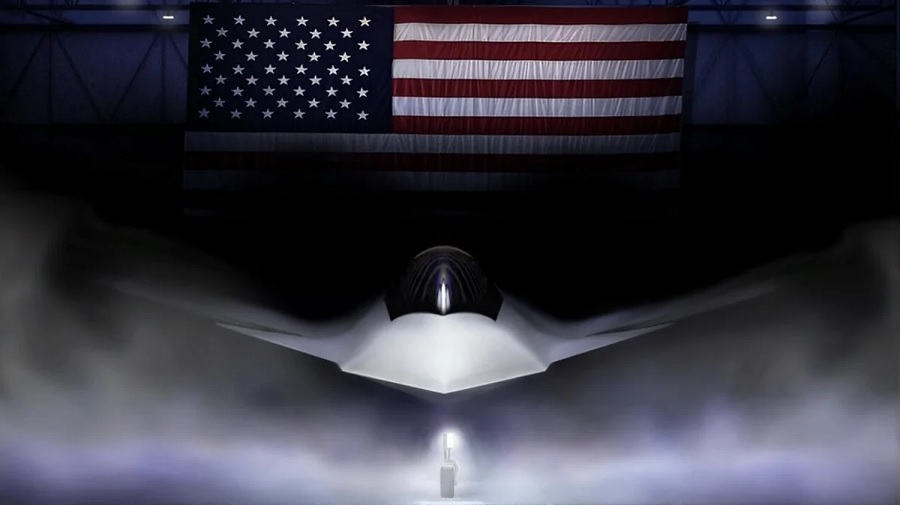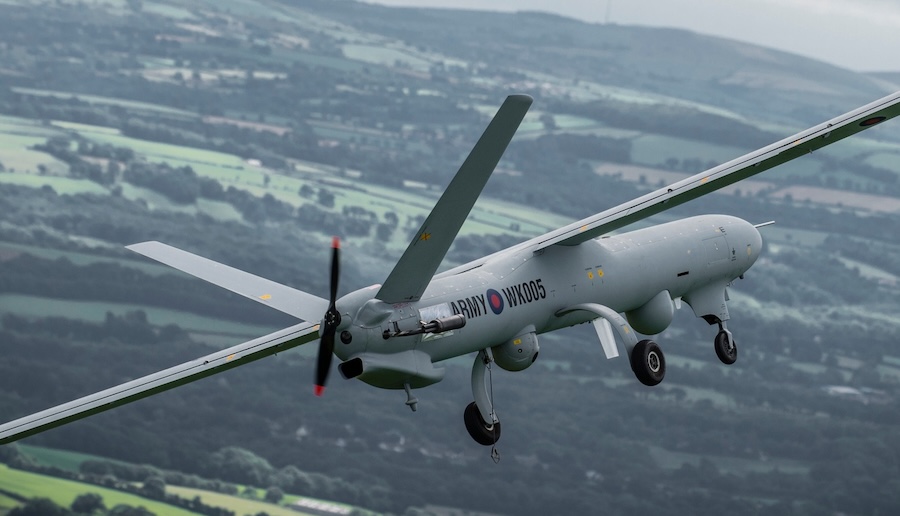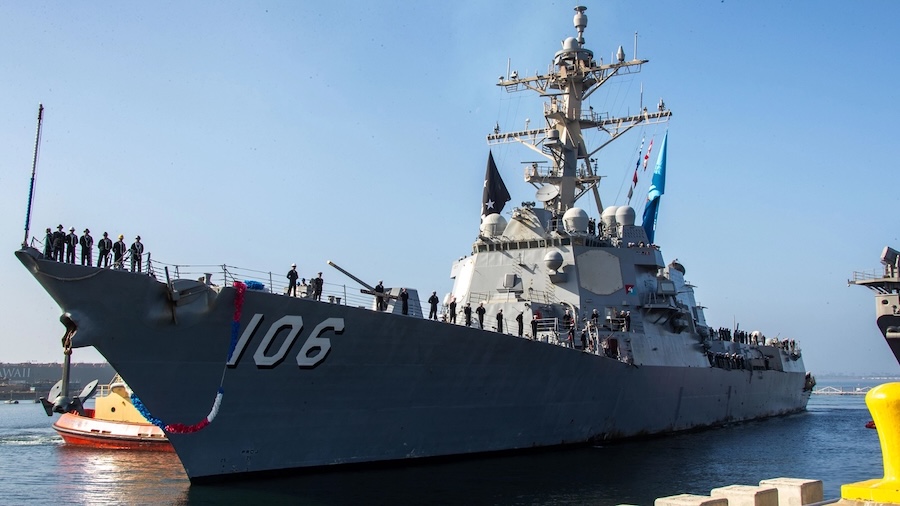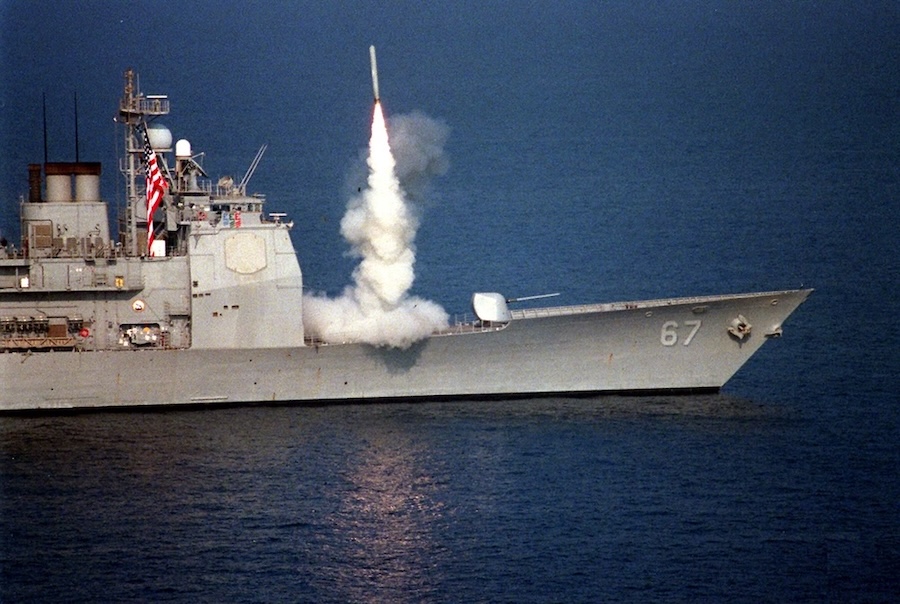
The note explains that future U.S. naval force design will be built around the Golden Fleet initiative to ensure American maritime power remains credible, resilient, and lethal. Under this approach, naval forces will be organized into tailored Battle Groups operating within the Navy Warfighting Concept, integrating carriers, large and small surface combatants, submarines, aviation assets, and unmanned systems.
According to the guidance, these Battle Groups will be synchronized through an Enhanced Mission Command Framework designed to empower initiative while maintaining unity of effort. The document stresses that American naval power underwrites national power by securing sea lines, shaping outcomes in competition and crisis, and imposing costs on adversaries when conflict occurs.
The Navy Warfighting Concept is described as codifying how the fleet contributes to national defense by leveraging mobility, agility, flexibility, and endurance. It emphasizes gaining and exploiting sea control through global maritime maneuver, applying asymmetric sea denial when necessary, and projecting power ashore once sea control is achieved.
A central element of this approach is Expanded Maritime Maneuver, which combines early target development, persistent sensing, and both traditional and non-traditional attack vectors. The note states that this enables the Navy to confuse, delay, and deny adversary objectives while rapidly concentrating fires and sustaining combat power across domains.
The guidance identifies global unity of effort, seizing initiative, asymmetric maritime operations, and the ability to prevail in protracted conflict as key components of the warfighting concept. It highlights the need to sustain combat-credible forces while applying continuous pressure that erodes an adversary’s capacity and will.
The C-Note warns that the Navy can no longer assume a permissive environment in space, cyberspace, land, sea, or air, nor assume uncontested sea control at any stage of conflict. It points to peer and near-peer competitors contesting access and influence in regions including the Red Sea, the High North, and the Western Pacific.
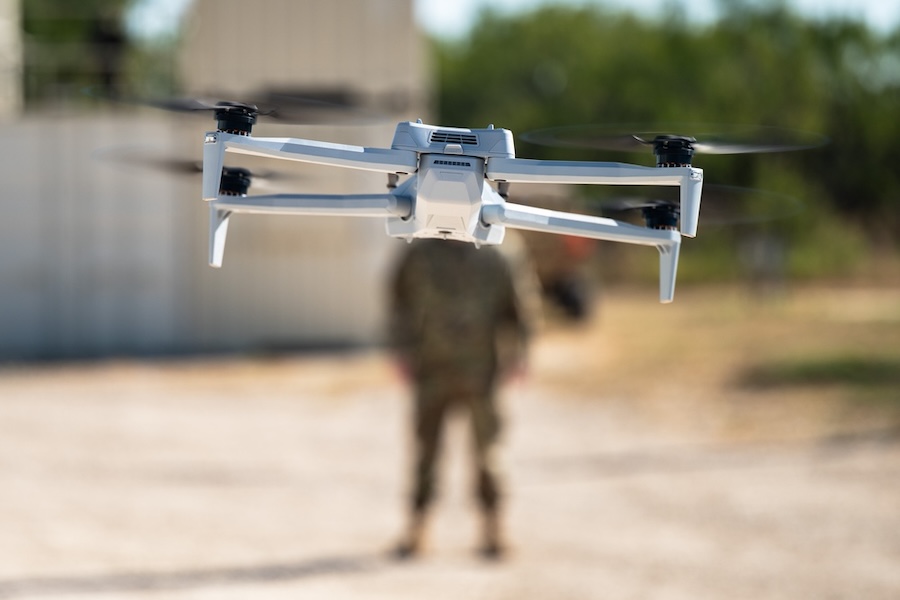
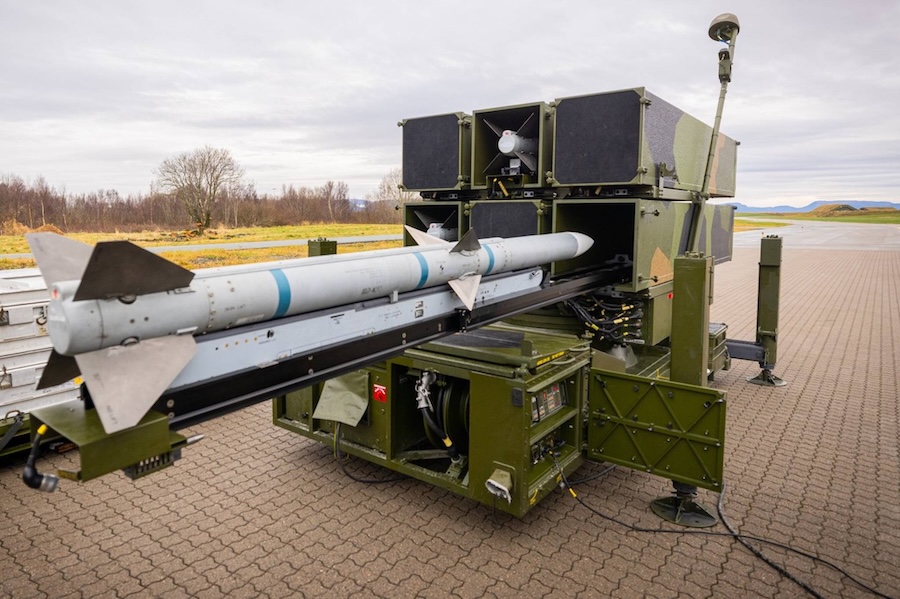
Within the Golden Fleet framework, the Navy plans to integrate tailored manned and unmanned platforms, long-range fires, autonomous systems, and resilient logistics. These forces will operate under U.S. Navy Fighting Instructions to manage risk, expand mass, and preserve combat advantage while assuring access and delivering precision strike at scale.
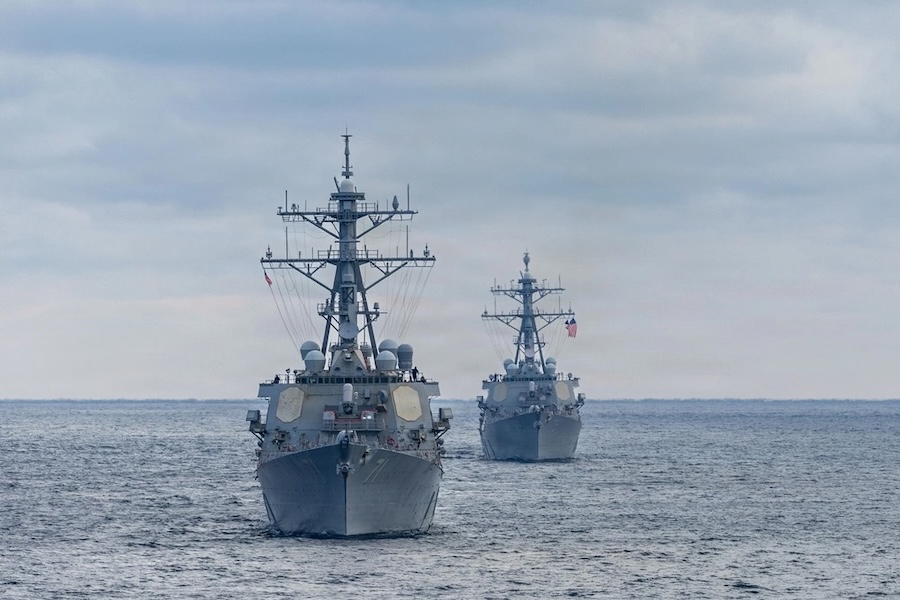
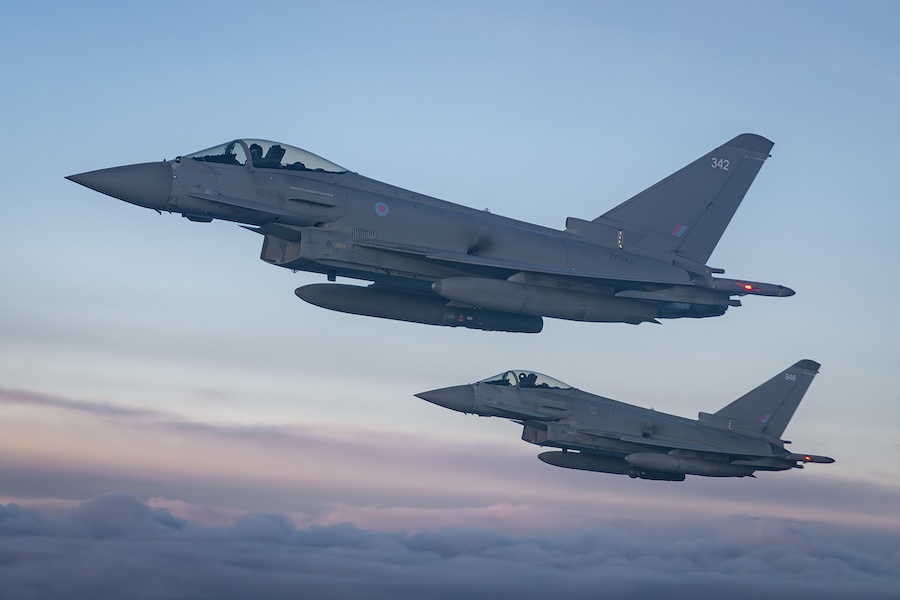
The document states that the Navy will continue to fight as a Fleet, organized into modernized Battle Groups centered on carrier and battleship strike capabilities. These formations are intended to enhance survivability, lethality, deception, and endurance through distributed sensors, autonomous systems, and adaptable payloads.
At the operational level, Battle Fleets will combine multiple Battle Groups with amphibious forces and joint and allied enablers to achieve theater and national objectives. They will operate under the Enhanced Mission Command Framework, enabling distributed execution through resilient command and control architectures aligned with Joint All-Domain Command and Control principles.
The guidance also addresses deterrence, noting that much of the Navy’s daily forward presence, exercises, and campaigning activities are designed to deny adversaries opportunities for escalation. It states that the cumulative effect of these actions constitutes deterrence in practice by dominating adversary decision space.
To strengthen this effort, the note announces the development of a Navy Deterrence Concept to integrate and elevate the deterrent impact of daily operations. This concept is intended to align national, joint, and coalition efforts while reducing the risk of miscalculation and conflict.
The message concludes by reaffirming the central role of sea power in U.S. security, prosperity, and strategic influence. It emphasizes that through the Navy Warfighting Concept and Golden Fleet initiative, the Navy will remain the nation’s most decisive instrument of maritime power, prepared to prevail when called to fight.
Source: C-NOte #4 The Way We Fight.