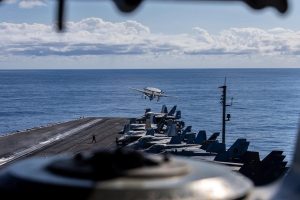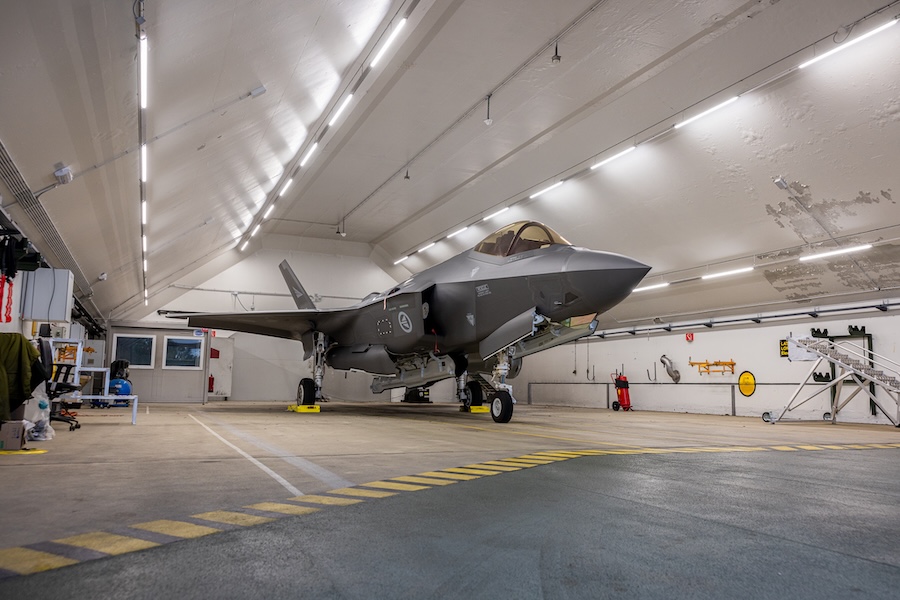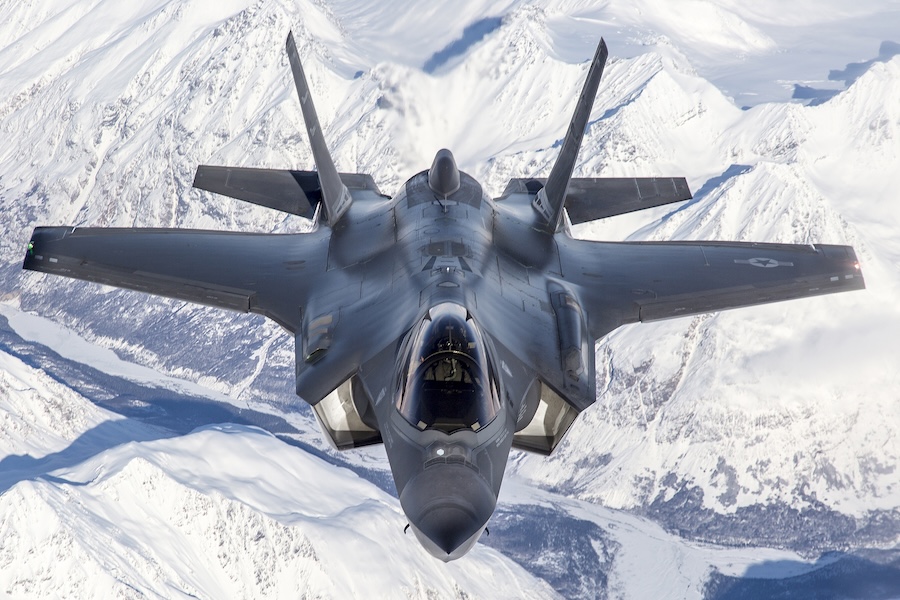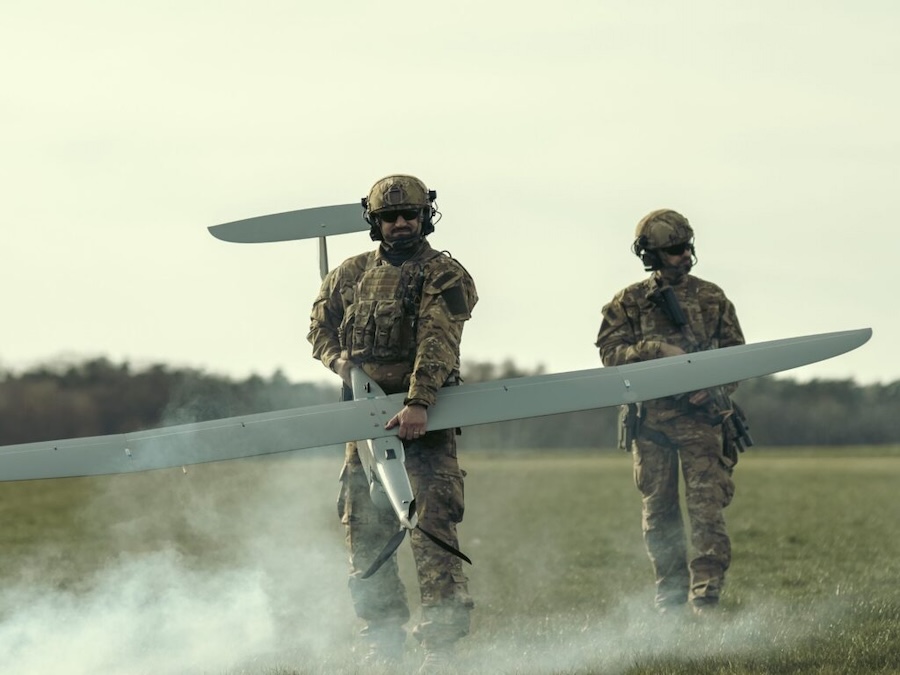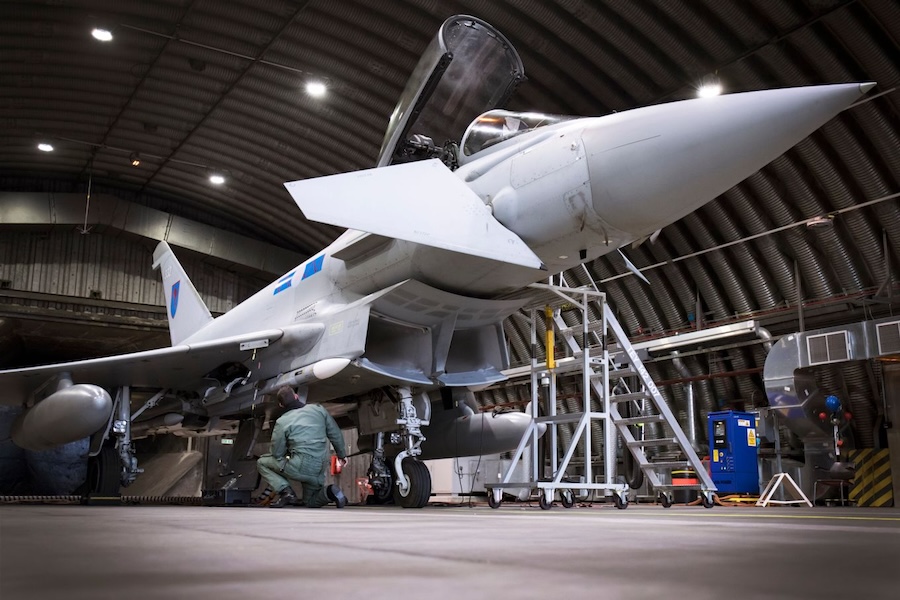


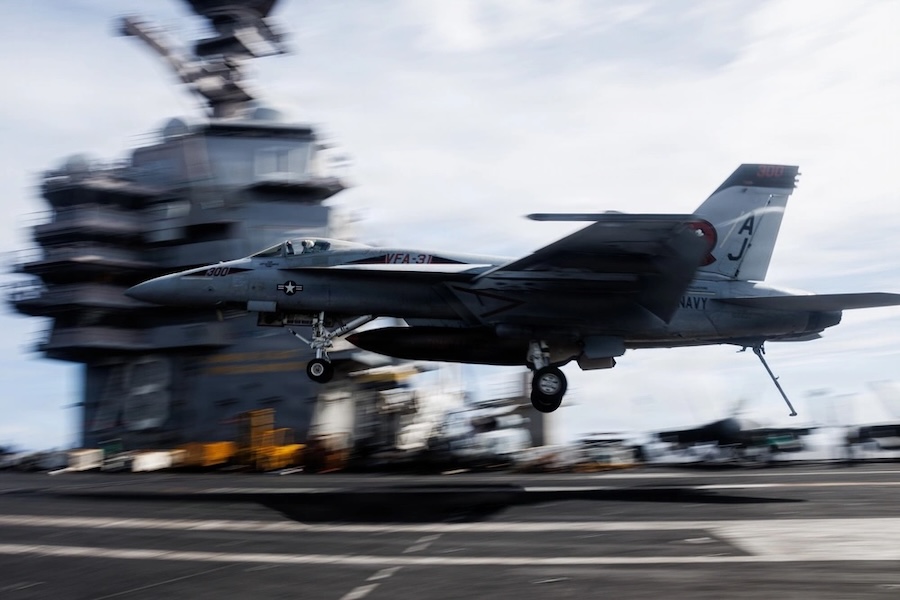
The Hill reported that the administration previously dispatched dozens of warships and about 15,000 U.S. service members to the U.S. Southern Command region, culminating in an early January operation in which Venezuelan leader Nicolás Maduro and his wife were seized by U.S. Special Forces. Similarly, the United States now has at least 10 warships near Iran, along with additional fighter jets, air defense systems, and drones.
As with Venezuela, Iranian officials have not accepted Trump’s demands, which include halting uranium enrichment, limiting ballistic missile development, and ending ties with proxy groups. The buildup differs, however, because the United States maintains extensive basing across the Middle East, while Iran has deeper regional networks through groups such as Hezbollah, the Houthis, and Shiite militias, according to former defense officials and analysts.
“I would say the U.S. has certainly more assets in place and that can be used for offensive purposes,” said Seth Jones, a former U.S. special operations and Pentagon official. But he added that those assets also create more targets for Tehran, noting that Iran has greater offensive capabilities than Venezuela and the “proclivity to use them.”
Michael Eisenstadt of the Washington Institute said Iran’s ballistic missile and drone forces represent a “large target set,” with more than a thousand short-range missiles capable of reaching sites across the Gulf. “In the Gulf, it’s a much larger problem, and drones can come from multiple directions at the same time and would spread us really thin,” he said in an interview with The Hill.
Trump said Friday that he had given Iran a deadline and dismissed questions about reducing the U.S. military presence, telling reporters, “No, we’ll see how it all works out.” “You know, they have to float someplace, so they might as well float near Iran,” he said, adding, “But it’s a rough situation going on.”
Iranian Foreign Minister Abbas Araghchi said Tehran is ready to negotiate over its nuclear program but will not discuss its ballistic missiles, while urging Washington to stop issuing threats. Analysts said the United States has ample firepower for limited strikes, but regime change would be “a lot more difficult,” with Jones concluding, “I’m not sure that the U.S. would have enough for very maximalist objectives.”
Source: The Hill.