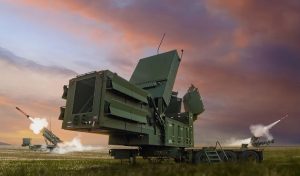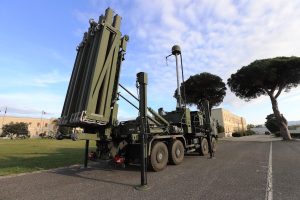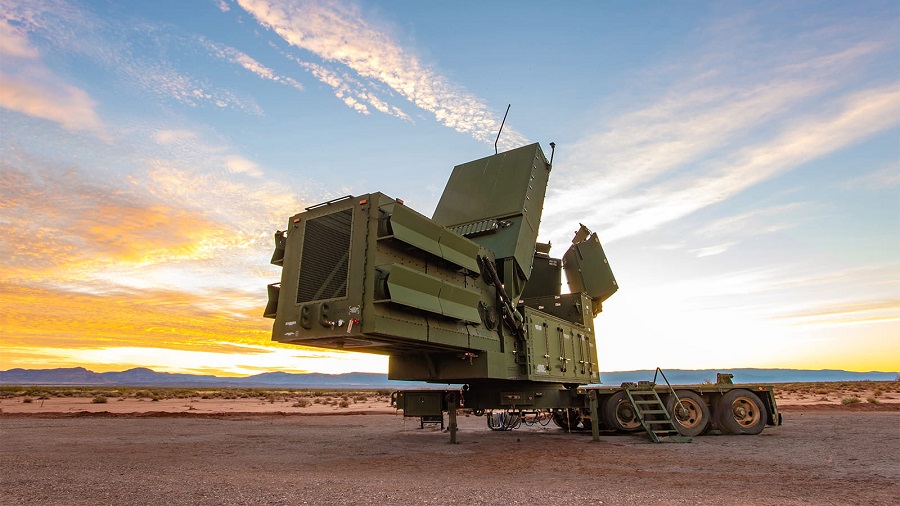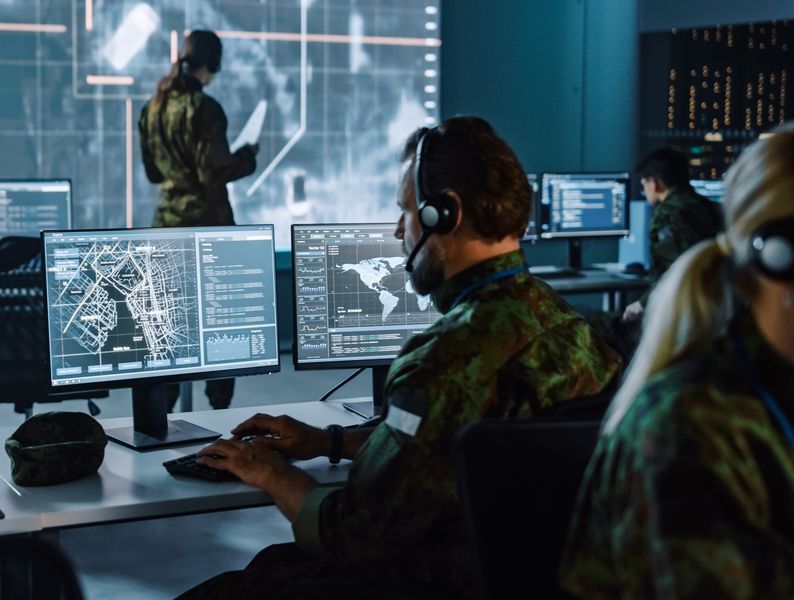


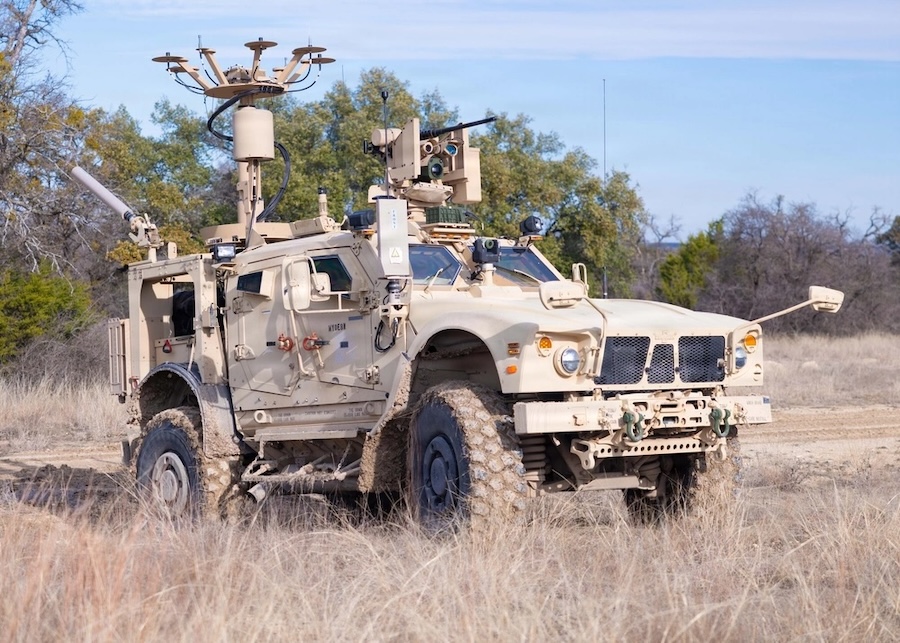
The training gave crews from the 6th Battalion, 56th Air Defense Artillery Regiment the chance to operate their full system set, including KU-band radar, Coyote interceptors, 30 mm and M240B weapons, and electronic jamming platforms. The aim was to observe how the equipment detects, classifies and responds to evolving unmanned aerial vehicle threats in realistic conditions.
“Drones are at the center of the current fight,” said 1st Lt. Martin Ocampo, a platoon leader assigned to Delta Battery. “Bringing our kinetic and electronic warfare vehicles out here allows our crews to see radar performance against real UAV profiles and improve how quickly they classify and engage. This is the type of training that helps us set the pace for counter-UAS across the Army.”
Ocampo said collaboration with civilian operators provided valuable repetitions for Soldiers. “Every live track helps our Soldiers get faster and more lethal,” he said. “It ensures we can protect whichever maneuver force we are attached to.”
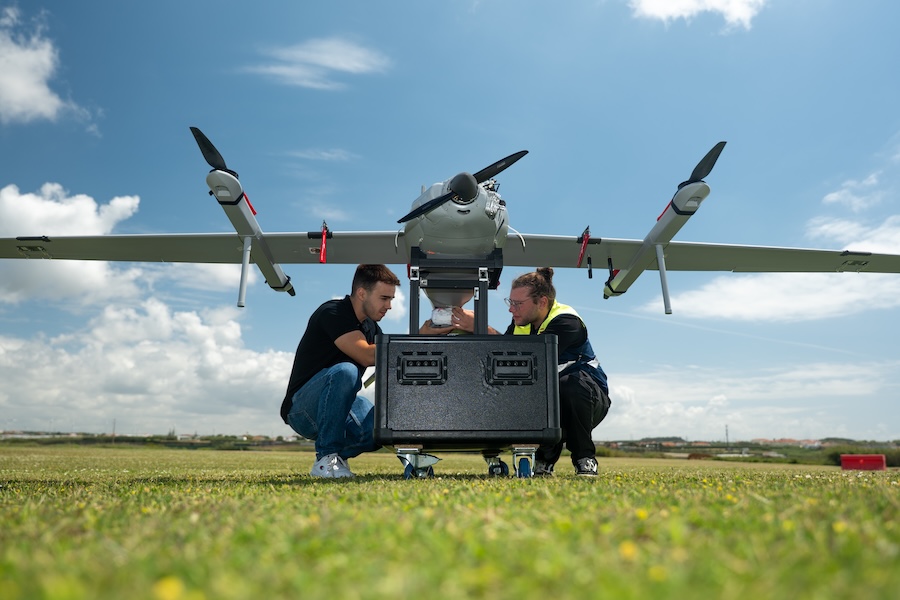
The demonstration featured two different one-way attack UAV platforms, giving Soldiers a close look at how small unmanned aircraft operate in contested environments. “The drone was intuitive to operate, but the attack run requires a lot of skill because the camera is not stabilized,” said Spc. Noel Stoehr, who flew the system. “Keeping the target centered is difficult as you close in. It showed how valuable AI can be for precision terminal guidance.”
Stoehr said the technology has significant implications for fire support operations. “Normally we have to get close to the enemy to observe and call for fire,” he said. “A drone can cover more ground, keep us safer and even conduct strikes if needed.”
Chief Warrant Officer 2 Andrew Westerberg said the event helped leaders understand how emerging AI-enabled attack drones interact with Army fires formations. “This event tied emerging UAV threats into the fires warfighting function,” he said. “Watching 6-56 ADA track these drones in real time builds the foundation for future counter-UAS integration across III Armored Corps.”