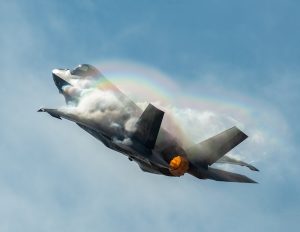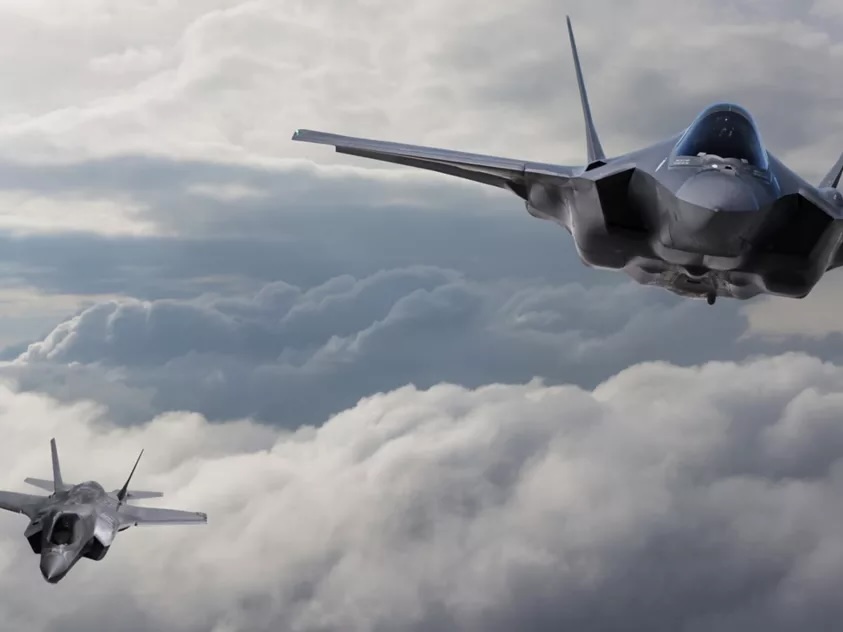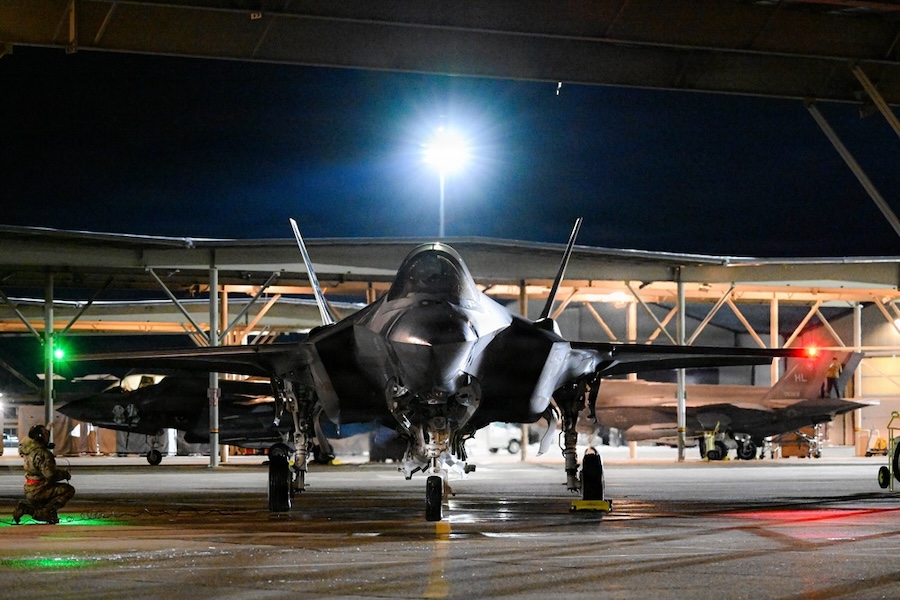


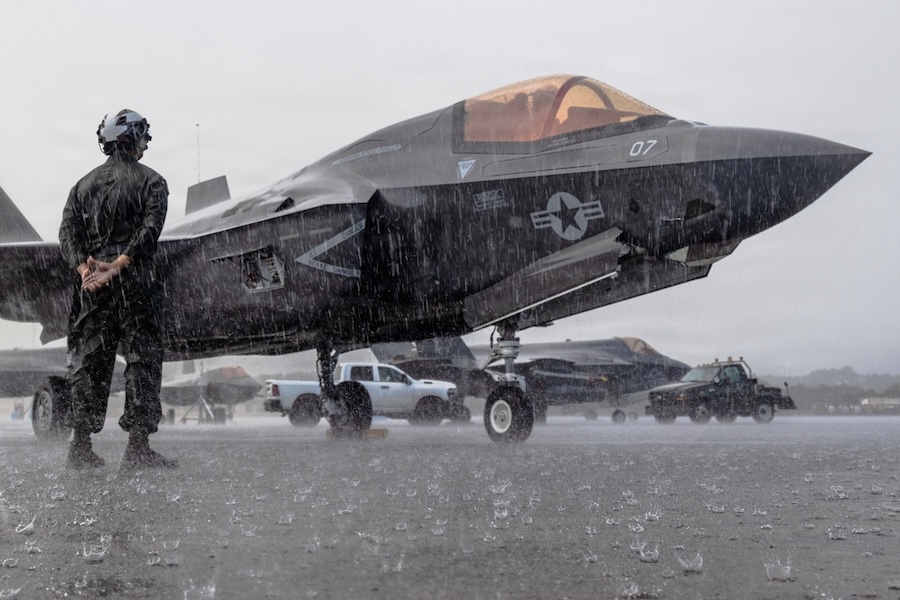
The review reflects mounting domestic political pressure, rising costs and a more contentious relationship with President Trump since his return to office. Canada agreed in 2022 to purchase 88 F-35s, but delivery delays and cost increases exceeding $27 billion have complicated the deal.
Vincent Rigby, a former national security and intelligence adviser to Justin Trudeau’s government, said the rhetoric from Washington has forced Canadian policymakers to rethink defense ties. “We defend the North American continent very closely with the United States. I think our national interest in that respect will always converge, we hope. At the same time, they’re saying stuff, doing stuff that really puts us in a difficult position,” Rigby told The Hill.
Rigby said Ottawa is increasingly considering reducing reliance on U.S. suppliers and diversifying defense partnerships. “And so one of the things that we’ve been thinking about more and more is we should be buying less from the United States and diversifying our defense relationships, buying more equipment, procuring more stuff from Europe, from the Indo-Pacific region, from countries like South Korea. And this is a big break. This is a real, real departure.”
Trade frictions have intensified scrutiny of the F-35 deal since Carney launched a formal review in March last year, which remains ongoing. The debate sharpened after U.S. Ambassador to Canada Pete Hoekstra suggested that abandoning the jets could force changes to the North American Aerospace Defense Command.
Hoekstra said in a CBC interview that without the F-35s, NORAD “would have to be altered,” potentially leading U.S. warplanes to fly into Canadian airspace more often. The State Department later said the remarks were misinterpreted and not a threat to the 1957 agreement.
“If Canada decided to significantly reduce its investment in the F-35, that would create a significant gap in the defense structure of North America,” the State Department said in a statement to The Hill. “Filling that gap is not news, it is common sense.”
The department added that “Ambassador Hoekstra’s comments were taken out of context to create headlines rather than to objectively portray his comments about the role that NORAD and the F-35 play in protecting North America.” Still, the remarks fueled concern in Canada, with one former official telling CBC they were “clearly a political pressure tactic to force the Canadian government’s hand.”
Andrea Charron, director of the Centre for Defence and Security Studies at the University of Manitoba, said such pressure would backfire. “If his end goal was to urge Canada, to hurry up, make a decision about the F-35s and go for the full compliment, which I think is actually best for Canada, this achieves the exact opposite effect,” she told The Hill.
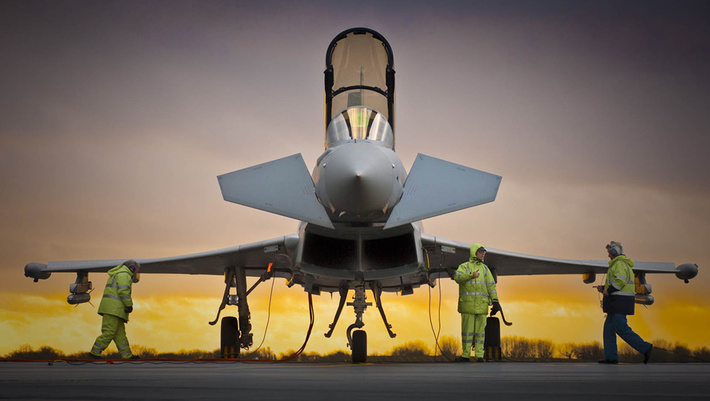
Carney’s government is also considering Sweden’s Saab JAS 39 Gripen to replace aging Boeing F/A-18 Hornets, amid arguments that reliance on F-35s would leave Canada overly dependent on U.S. policy. “We just don’t know where the U.S. is going to be in three, four or five years,” Rigby said, adding, “We need to walk a tightrope. We push back on the U.S. where we have to, we diversify where we have to, but we’re still going to buy equipment from them, and we still have common interests, in particular in the defense of North America.”
Public opinion appears to favor diversification, with 72 percent of Canadians backing the Gripen either as part of a mixed fleet or as a replacement, according to a December EKOS Politics poll. Charron said the more advanced F-35 remains the better option, noting, “As capable as the Gripens are, we cannot deny the fact that they are a different generation fighter.”
She also warned of logistical strains from operating multiple platforms. “Because of the technological advancements of these platforms, they require sort of bespoke mechanical expertise and supply chain. There is a limit to how many platforms that Canada can support at any one time,” she said, adding, “I think [what] we need to do is make a decision on what is the platform that can do the most amount of things that we need it to do.”
Source: The Hill.