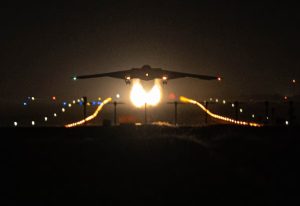
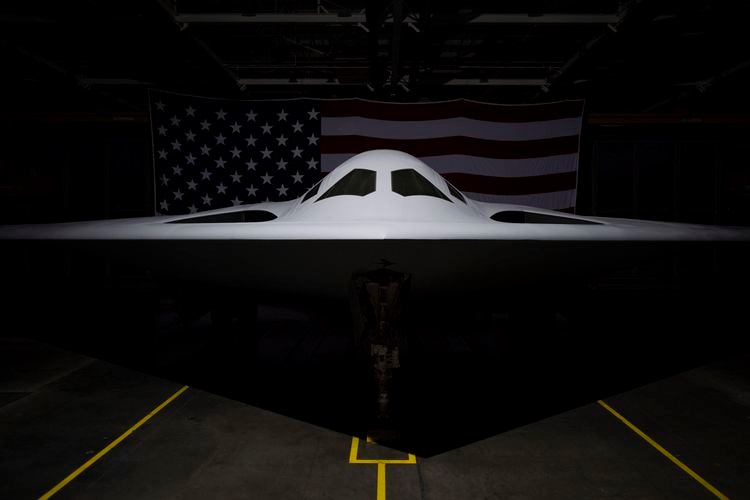
The report says the Air Force should procure at least 200 B-21 bombers and 300 F-47 fighters, far above current plans for “at least” 100 B-21s and 185 F-47s. Those higher numbers would allow sustained operations against bases and infrastructure deep inside mainland China rather than limited, one-off raids.
Authors Heather Penney and retired Col. Mark A. Gunzinger wrote that the two sixth-generation aircraft would operate together to penetrate enemy airspace and fight “from the inside out.” Such a force would be able to deny China “sanctuaries” from which it could launch air and missile attacks during a prolonged conflict.
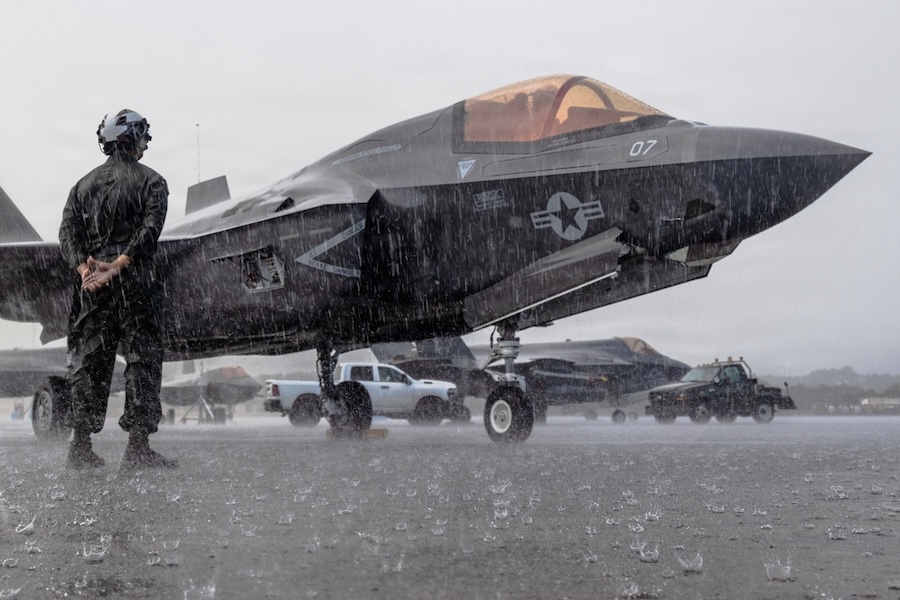
Under current plans, the Air Force’s force structure is sufficient only for limited strikes like Operation Midnight Hammer, which involved B-2 bombers and F-35 fighters hitting Iranian nuclear facilities. Penney said that level of capability is inadequate for a broader war, describing it as “a raid force, not a campaign force.”
The analysts argue that expanded procurement would take years, requiring interim steps to maintain penetrating capability. They recommend retaining all B-2 bombers and increasing purchases of F-35s while new platforms are built.
The report says the Air Force’s bomber and fighter inventories have shrunk sharply since the Cold War, with current plans focused more on replacing aging aircraft than expanding capacity. Penney said those plans are shaped by budget limits rather than operational requirements.
She added that the usable force for long-range strike missions is smaller than headline numbers suggest because some aircraft must be reserved for nuclear deterrence and homeland defense. That constraint, she said, drove the recommendation for much larger fleets.
“Two hundred [B-21s] isn’t based off of a full-up World War III scenario, but it does look at what’s the number needed for ‘hold back’ and how do you be credible and effective in denying that sanctuary and hitting those key centers of gravity in China, and also having enough attrition reserve to be able to sustain a protracted conflict?” Penney said.
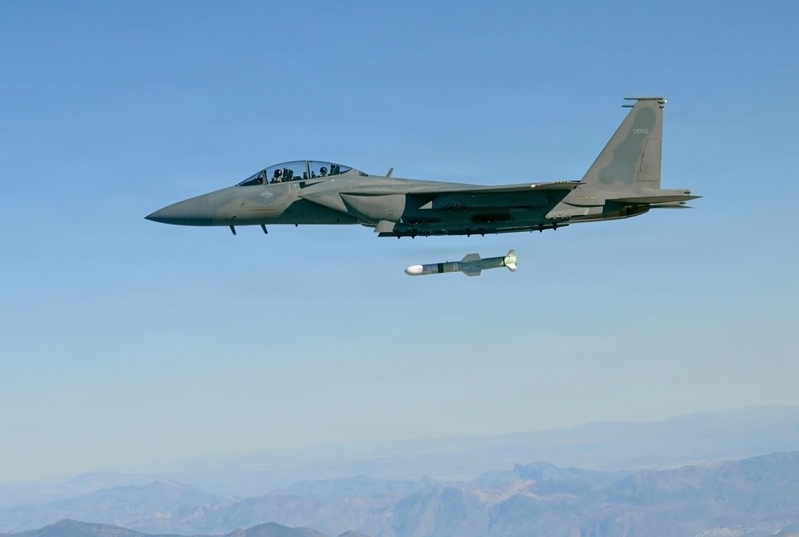
The report also challenges arguments that the Air Force should rely more heavily on stand-off weapons launched from outside contested airspace. Penney and Gunzinger wrote that the current force is “unbalanced” toward stand-off approaches and lacks sufficient stealth aircraft.
“The service’s current combat force mix is now weighted toward earlier-generation non-stealthy bombers and fighters,” they wrote. Without enough next-generation aircraft, they said, the Air Force would be unable to manage the scale of targeting required in a peer conflict.
While acknowledging the high cost of acquiring additional B-21s and F-47s, the authors said stand-off weapons are also expensive and technically vulnerable. Penney noted that the Army’s Dark Eagle hypersonic missile costs more than $40 million per shot, meaning limited strikes could quickly reach billions of dollars.
Penney argued that history shows the value of penetrating, stand-in airpower. She said conflicts where deep strikes were restricted allowed adversaries to preserve resources and maintain protected sanctuaries that prolonged wars.
Source: Air & Space Forces Magazine.