


His comments follow talks last week in Oman between U.S. and Iranian officials over Tehran’s nuclear program, the first discussions since the U.S. military bombed Iran’s three main nuclear sites last June.
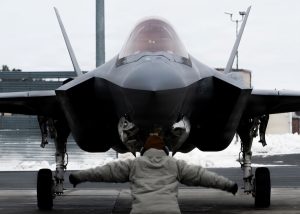
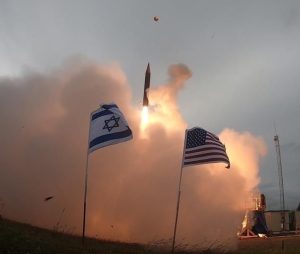
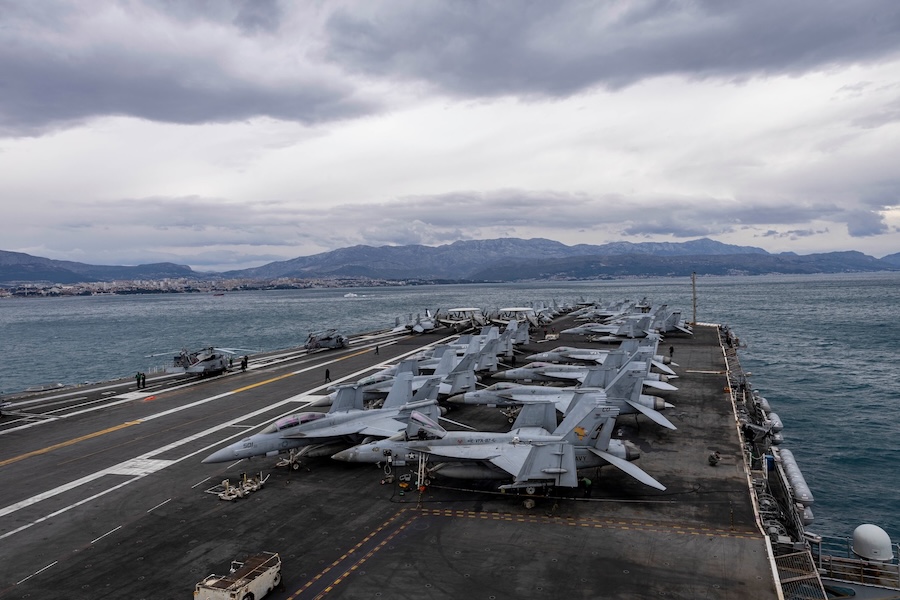
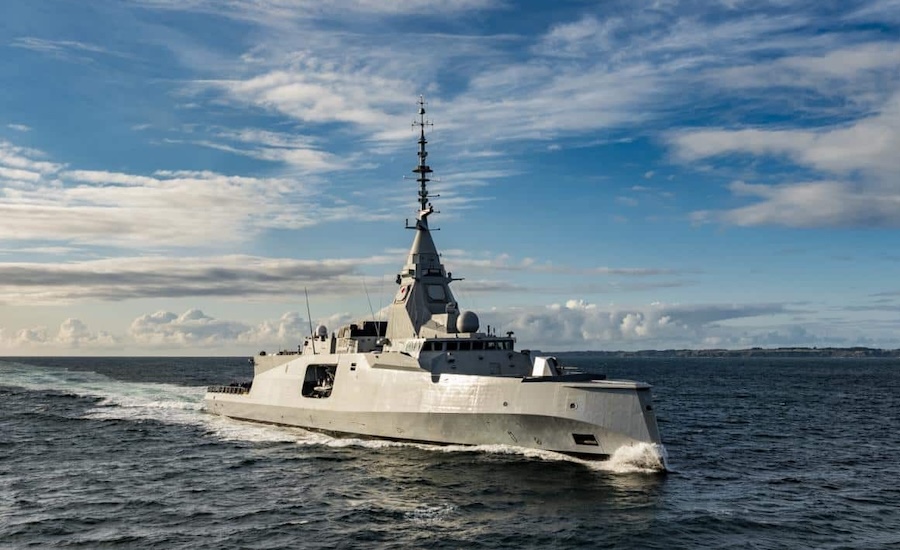
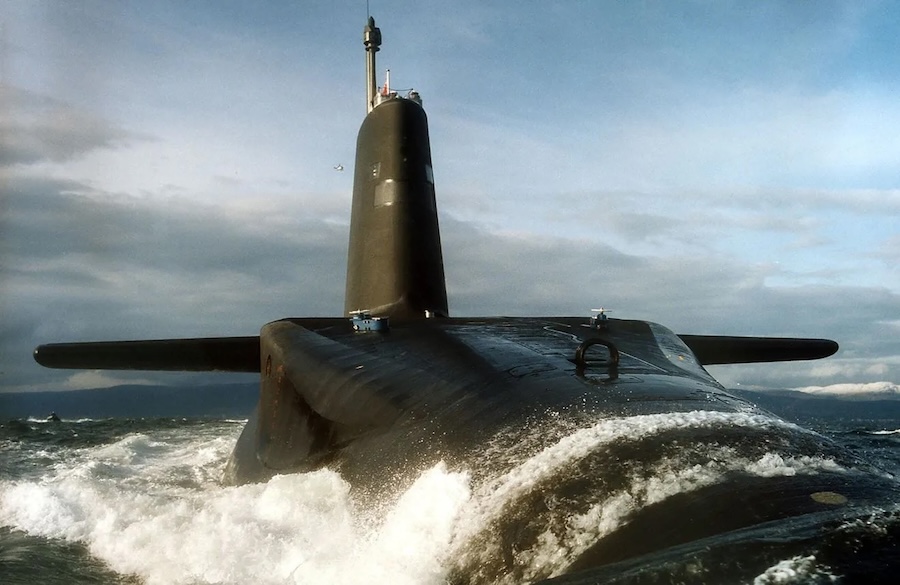
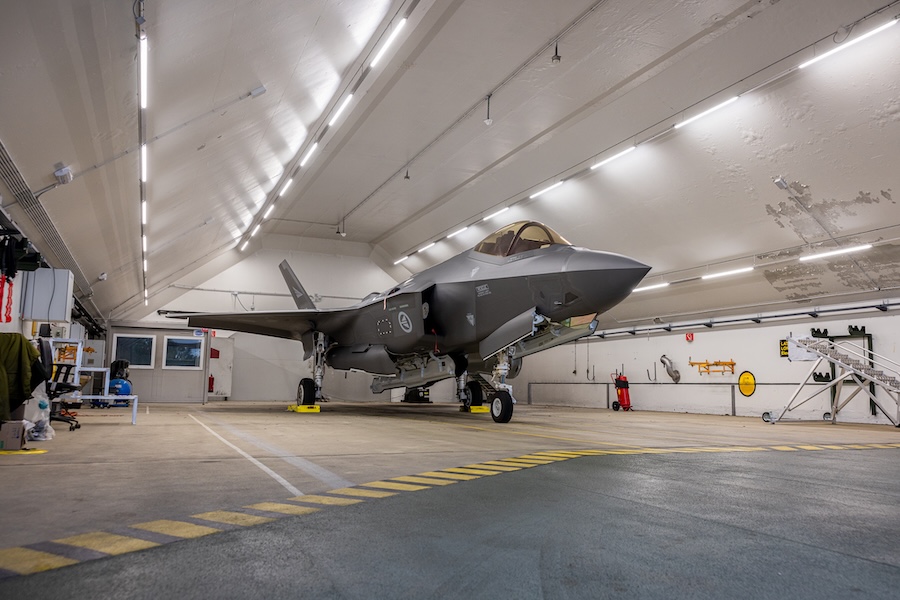
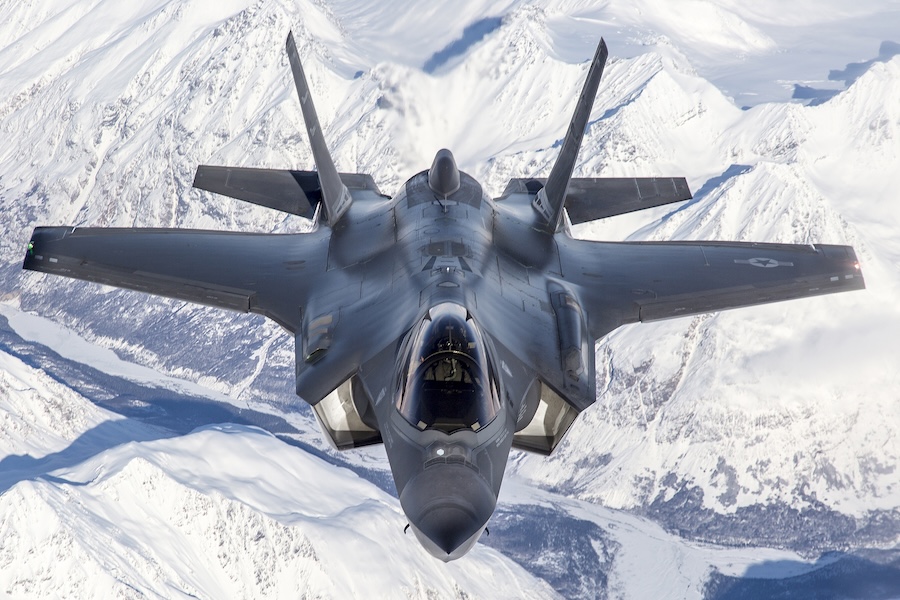
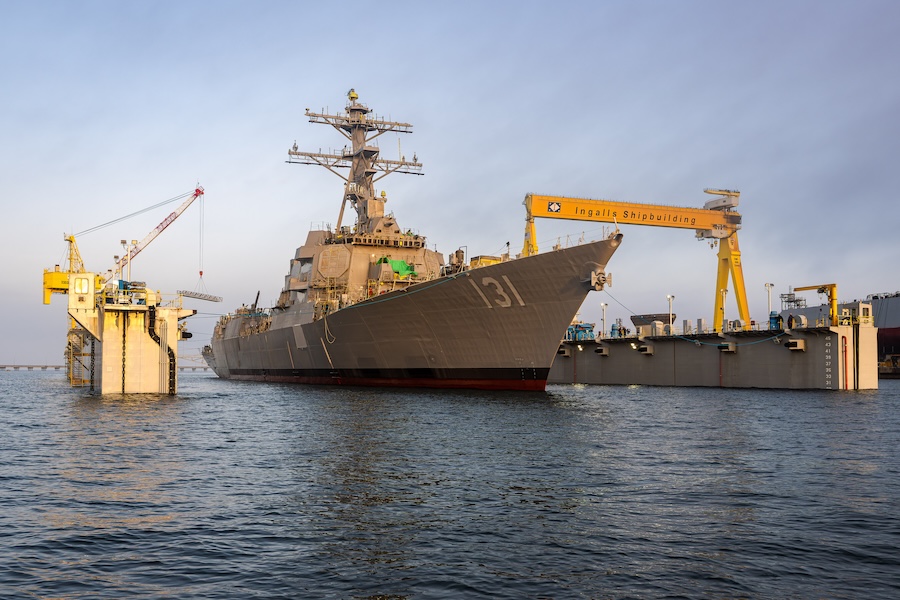
The United States has positioned the USS Abraham Lincoln and its accompanying destroyers, equipped with long-range Tomahawk missiles, in the U.S. Central Command area, which includes the Middle East. The Pentagon has also deployed additional fighter jets, air defense systems and other military assets to the region.
The USS Gerald R. Ford, the world’s largest aircraft carrier, is currently operating in the U.S. Southern Command area covering South and Central America. According to Reuters, the USS George H.W. Bush, now on the U.S. East Coast, and the USS George Washington, currently in Japan, are the most likely vessels to be dispatched if Trump approves the move.
Trump is scheduled to meet Israeli Prime Minister Benjamin Netanyahu at the White House on Wednesday, as Israeli officials have urged action to curb Iran’s ballistic missile program and limit its ties with proxy militant groups in the region. On Monday, the Trump administration also warned U.S. commercial vessels to avoid the Strait of Hormuz and the Gulf of Oman as tensions between Washington and Tehran escalate.
Source: The Hill.