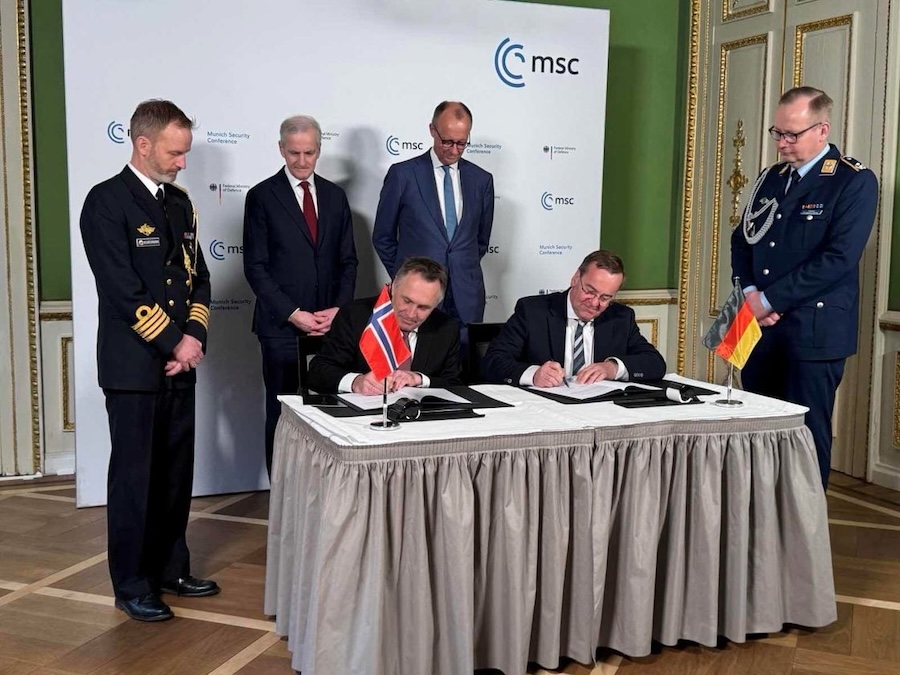
The agreement was signed during the Munich Security Conference after Prime Minister Støre and Chancellor Merz announced last summer that the two countries would develop a bilateral defence framework. “Strong European cooperation is essential to fulfilling NATO’s burden-sharing commitments, where Europe must assume a greater share of responsibility for its own security. Germany is one of Norway’s most important allies in Europe and our key partner in the EU. Now, we are taking our close and robust cooperation a step further,” Sandvik said.
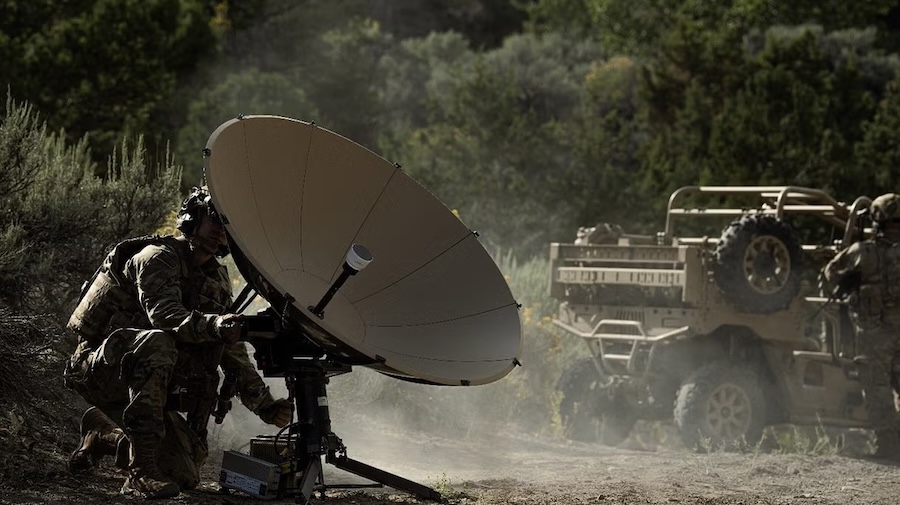
The arrangement establishes a framework covering the full scope of bilateral defence cooperation, including space-based surveillance, maritime security, land warfare, rapid reinforcement and defence industry collaboration. “This is a natural development in an evolving security landscape. We aim to establish a framework that encompasses the full scope of bilateral defence cooperation between Norway and Germany. Our countries stand united in a time of heightened uncertainty in Europe, sharing security interests, a solid industrial partnership, and a joint responsibility to strengthen NATO and European security,” Sandvik added.
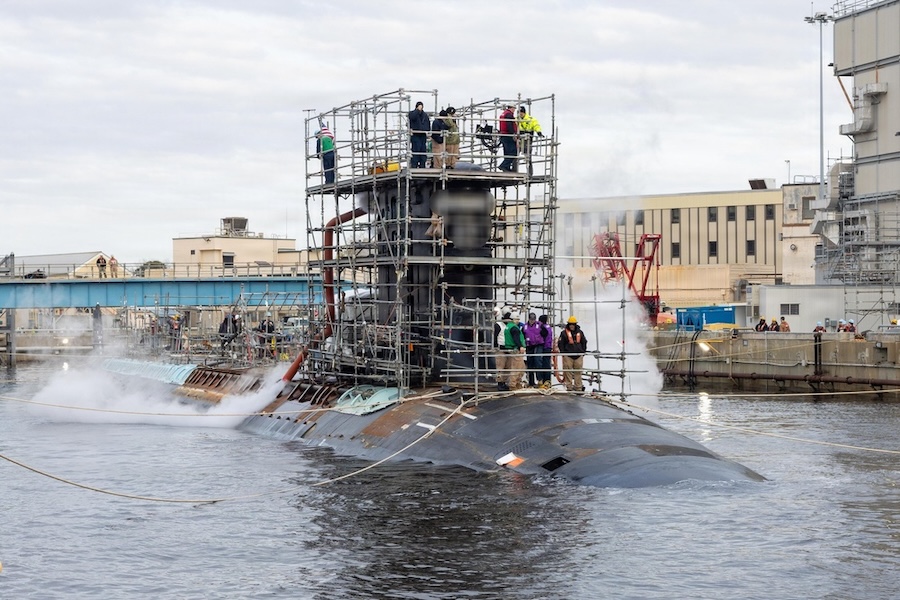
Maritime cooperation is a central pillar of the partnership, particularly in the North Atlantic and the North Sea, with both countries investing in submarines, missiles and main battle tanks. Norway’s parliament has approved the acquisition of two additional submarines, bringing its fleet to six identical vessels to be operated by both nations, while the countries also collaborate on next-generation long-range maritime missiles (3SM).
“Submarines are critical to the defence of allied territory. They are vital to NATO’s ability to maintain control and defence in the North Atlantic and the High North. Our partnership with Germany is crucial in this effort. We have established comprehensive cooperation on personnel training, and both nations are building new maintenance facilities at Haakonsvern in Bergen—a state-of-the-art capability for our submarine fleets,” Sandvik noted.
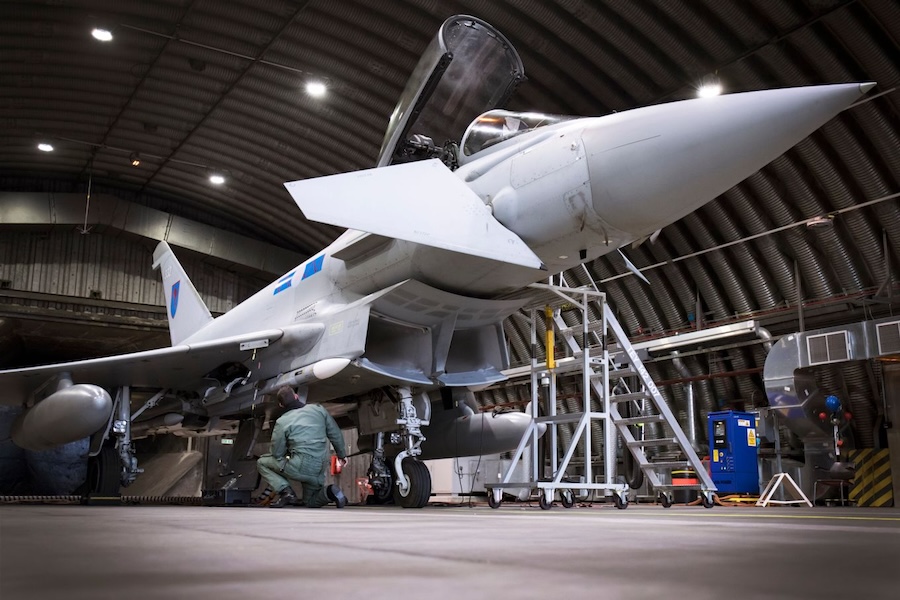
Germany is also modernising its navy and increasing its presence in northern waters. “Together, we will field larger and more capable naval forces. Germany is committed to taking greater responsibility in the North Atlantic, with increased presence in our neighbouring regions. This is a positive development for Norwegian and allied security,” he said.
German forces regularly train in Norway and are set to take part in the winter exercise Cold Response 26, as Oslo expands infrastructure to receive allied reinforcements and discusses possible pre-positioning of German equipment. “This training is essential for allied forces to operate effectively in Norwegian conditions, particularly in winter. Allied presence directly enhances Norway’s security,” Sandvik emphasised.
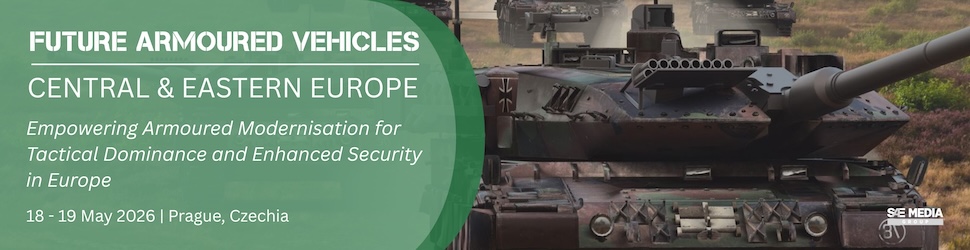
Land force cooperation is also advancing, supported by Norway’s acquisition of German Leopard A28 main battle tanks and joint service in the German-led NATO multinational brigade in Lithuania. “Main battle tanks are the Army’s primary combat system and are pivotal to our land warfare capabilities. As Germany also strengthens its land forces, we can exchange valuable insights on training, exercises, tactics, and technology,” Sandvik said.
Industrial cooperation forms another key element of the arrangement, with Norway last year becoming the second-largest importer of defence materiel after Ukraine, purchasing equipment worth up to €1.4 billion. Norwegian company RITEK will assemble 37 of the 54 Leopard 2 tanks ordered from Germany’s Krauss-Maffei Wegmann, while both countries also advance joint space technology projects.
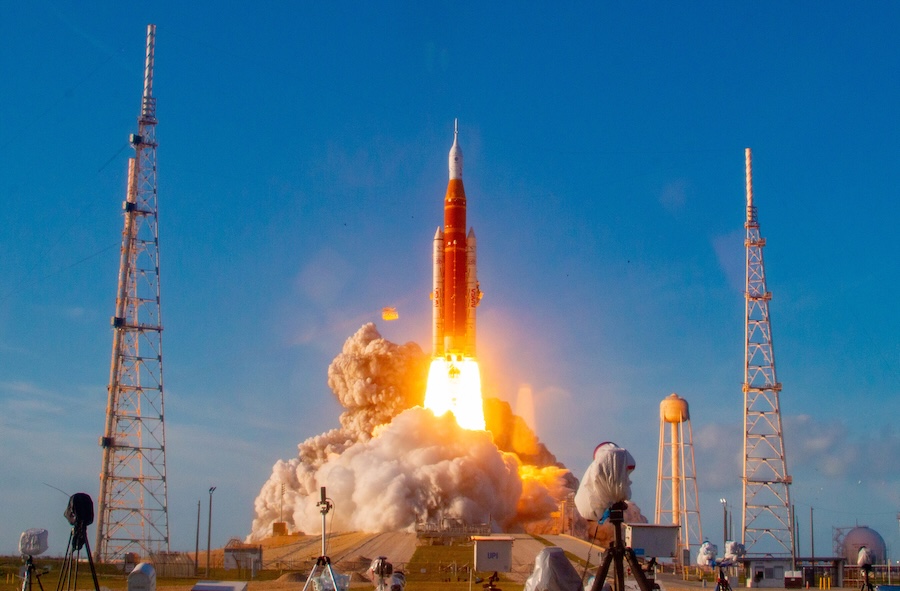
“Space capabilities are increasingly vital to military operations. Andøya Spaceport plays a central role in Norway’s space strategy and holds significant potential for Germany’s launch activities,” Sandvik highlighted.