
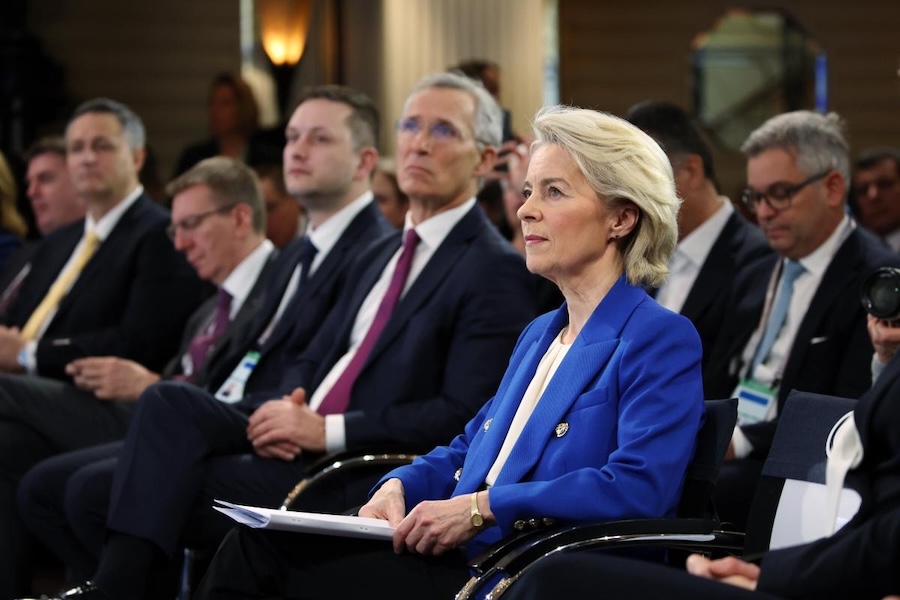
Von der Leyen said Europe is “almost four years into the reckless aggression against Ukraine by Russia” and faces “the very distinct threat of outside forces trying to weaken our Union from within.” She warned that “the European way of life – our democratic foundation and the trust of our citizens – is being challenged in new ways,” from territories to tariffs and technology regulation.
“Europe must become more independent – there is no other choice,” she said, arguing that independence across defence, energy, trade, raw materials and digital technology would strengthen, not weaken, the transatlantic alliance. Citing remarks by U.S. State Secretary Rubio, she added that “An independent Europe is a strong Europe. And a strong Europe makes for a stronger transatlantic alliance.”
To frame her argument, von der Leyen quoted former U.S. Assistant Secretary of Defence Jerry Friedheim, who said in Munich in the 1970s: “Unless a nation feels itself primarily responsible for its own security and wellbeing, it will leave the task to others and fail to marshal its resources and political will in its own defence.” She said the line reflected “uncomfortable truths” about decades in which Europe did not always treat its own security as its primary responsibility.
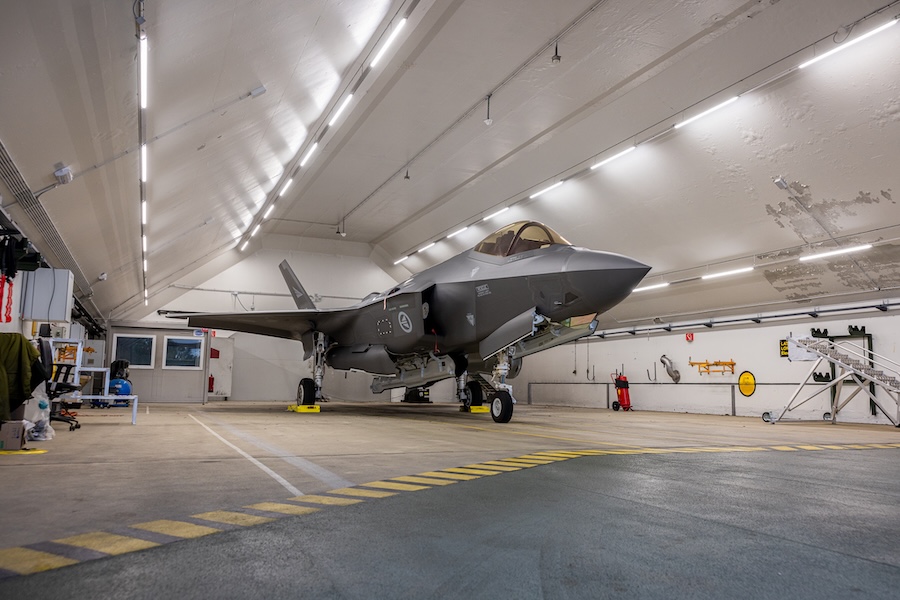
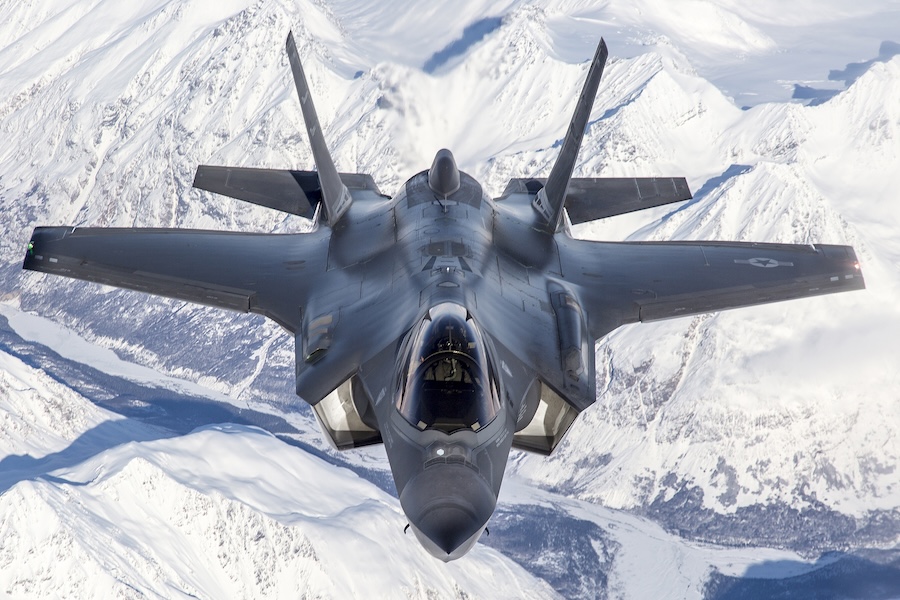
“That has fundamentally changed,” she said, noting that defence spending in Europe in 2025 was up nearly 80% compared with before the war in Ukraine. The European Union is mobilising up to 800 billion euros, investing through its SAFE programme in air and missile defence, drones and military mobility, and has provided a 90 billion euro loan to Ukraine that Kyiv will only repay if Russia pays reparations.
By 2028, European defence investment is projected to exceed what the United States spent on such equipment last year, she said, calling it “a true European awakening.” But she added that this is only the beginning and called for a “European backbone of strategic enablers: in space, intelligence, and deep strike capabilities.”
“No taboo can go unchallenged,” she said, urging leaders to bring the EU’s mutual defence clause, Article 42(7), to life. “Mutual defence is not optional for the EU. It is an obligation within our own Treaty – Article 42(7),” she said, describing it as a collective commitment of “one for all and all for one.”
Von der Leyen called for faster decision-making, potentially relying on qualified majority voting rather than unanimity, and for greater use of existing treaty provisions. She pointed to the UK-led Joint Expeditionary Force and the Coalition of the Willing led by Starmer and French President Emmanuel Macron as examples of new security cooperation that should now be formalised.
She said Europe should deepen cooperation with close partners including the United Kingdom, Norway, Iceland and Canada. “Ten years on from Brexit – our futures are as bound as ever,” she said, adding that “the EU, the UK – in fact all of Europe – we are in this together. And we will always stick together.”
Turning to strategy, von der Leyen called for a new European Security Strategy that integrates trade, finance, standards, data, critical infrastructure and technology into a broader security framework. “We need a new doctrine for this – with a simple goal: to ensure that Europe can defend its own territory, economy, democracy and way of life at all times,” she said, describing this as “the true meaning of independence.”
Looking to Ukraine for lessons, she said strength and deterrence depend on industrial capacity and the ability to scale production over time. Quoting a Ukrainian saying, she added: “As they say in Ukraine, you change or die.”
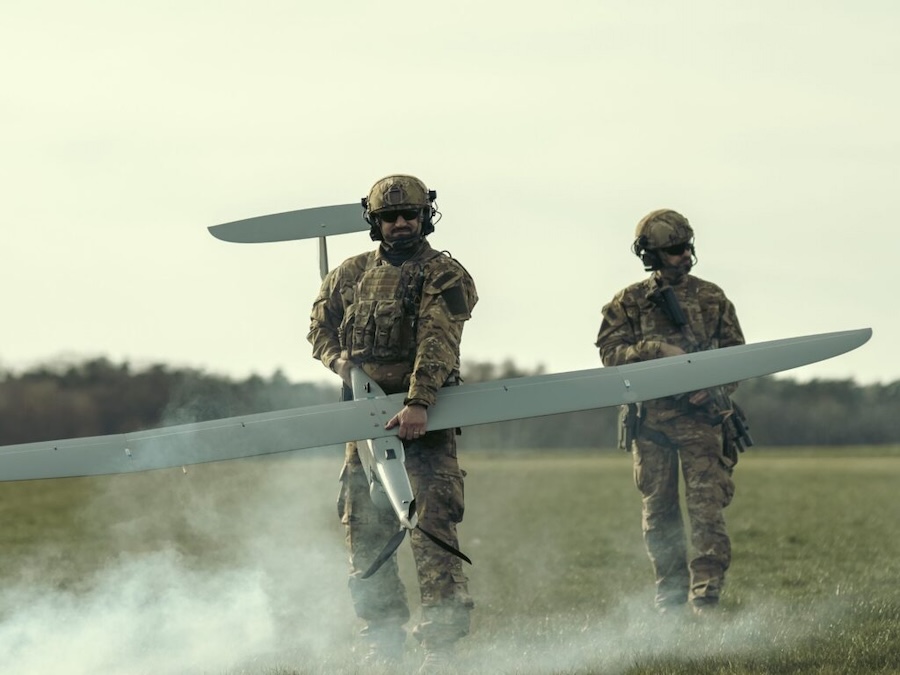
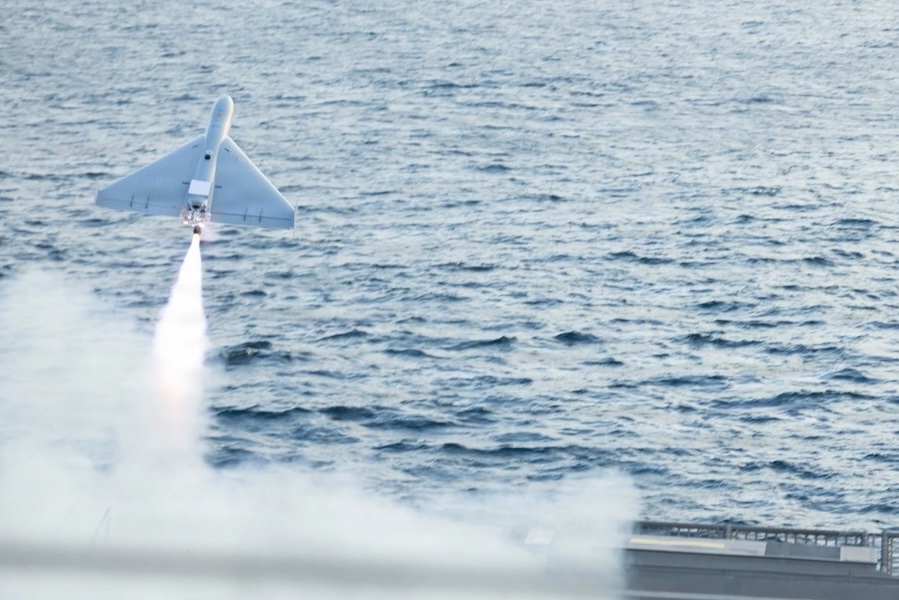
She called for breaking down the divide between civilian and defence industries and accelerating dual-use technologies such as artificial intelligence, cyber, drones and space. Drones, she noted, are responsible for around 80% of battlefield damage on both sides in Ukraine, underscoring the need to speed up innovation and production.
“We have all agreed to spend more. We need to get the money out the door and turn this into real defence capabilities,” she said. Addressing concerns over costs, she added: “We cannot afford not to,” arguing that a new industrial push could become “an engine of growth, delivering prosperity for Europeans for decades to come.”
In closing, von der Leyen cited German conservative figure Ewald von Kleist, recalling his words to recruits in 2010: “Peace and freedom – these two are interlinked. And it has to be the goal of security policy to protect them.” She said Ukraine is fighting for those principles today and that Europe must honour that sacrifice through its pursuit of independence.
“Peace and freedom,” she concluded, “will always remain Europe’s purpose. Our Union’s raison d’être.”