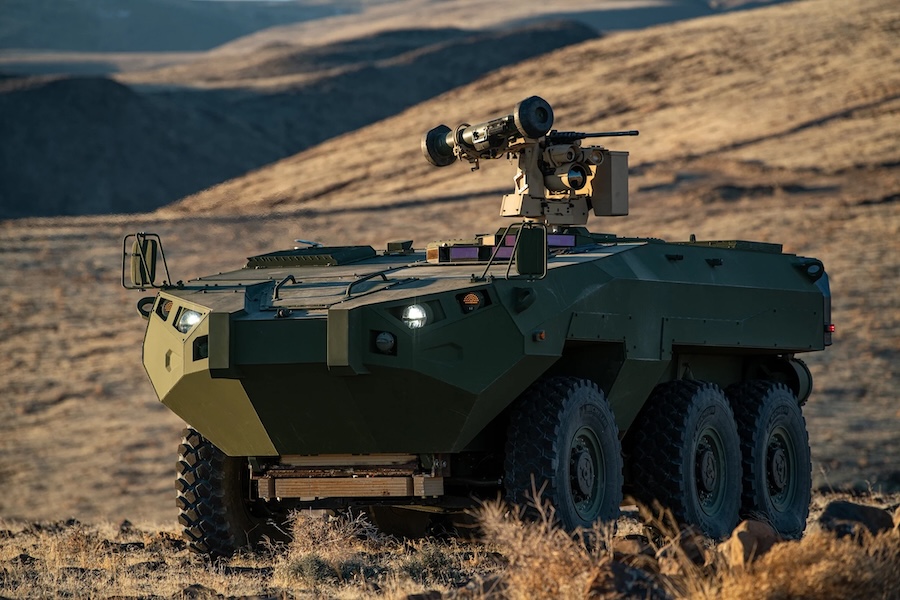
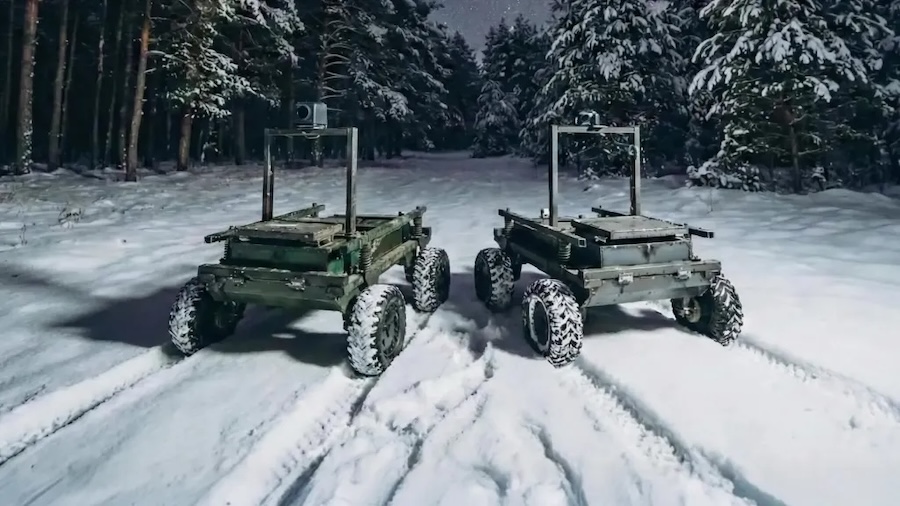
According to the ministry, casualty evacuation using ground robotic systems was limited six months ago but has since become routine. Minister of Defence Mykhailo Fedorov said: “As recently as six months ago, casualty evacuation using ground robotic systems was sporadic. Today, robots routinely enter high-risk areas — delivering ammunition, sustaining logistics, and evacuating the wounded where deploying personnel would create additional risk.”
Most missions undertaken in January involved logistics tasks along the front line. These included thousands of operations previously carried out by service members under enemy fire.
The stated objective is to shift frontline logistics to ground robotic systems as far as possible. The ministry said this transition is intended to reduce risks to personnel and improve the effectiveness of military units.
Plans for 2026 include increased production and procurement of ground robotic systems, as well as upgrades to communications and command-and-control systems. Military units are also expected to gain further flexibility by procuring additional modules and components tailored to specific mission requirements.
Under the Army of Drones Bonus programme, the ministry is scaling the most effective combat experience. The Brave1 Market platform currently lists 13 models of ground robotic systems that military units can obtain using combat points, with the ministry stating the process is designed to be quick, transparent and aligned with frontline needs.