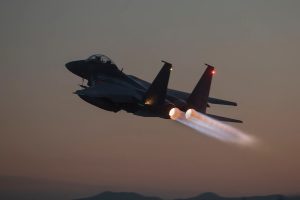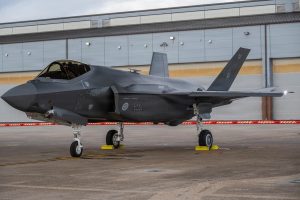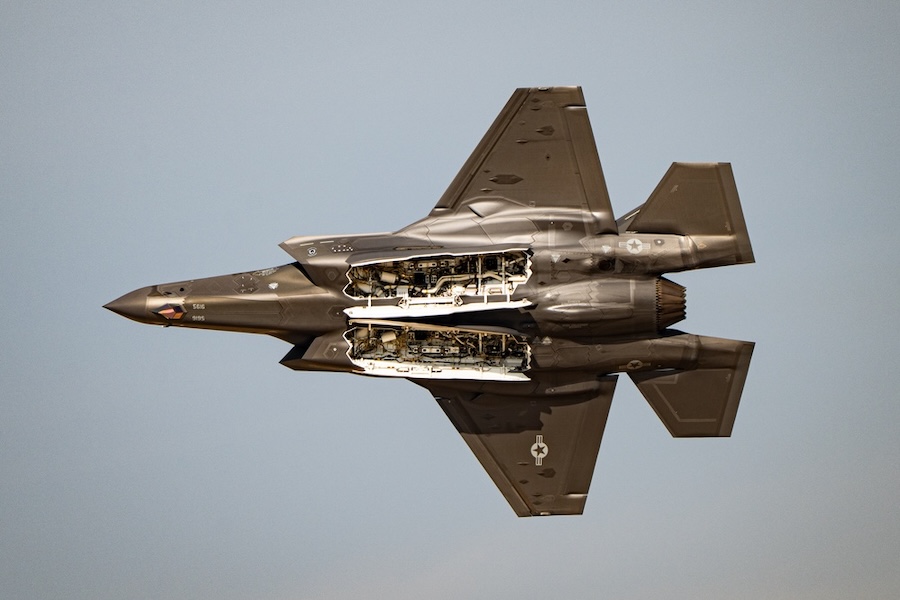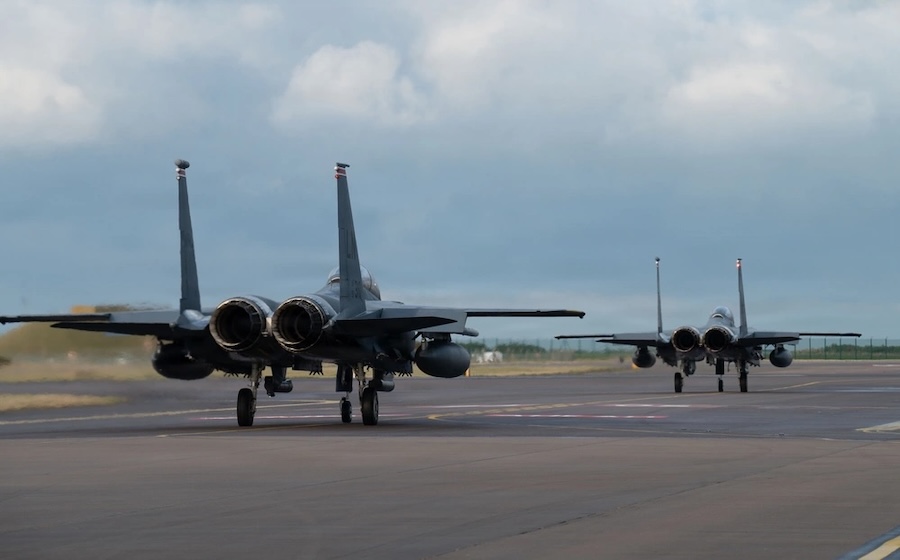
During the exercise, Senior Airman Austin Clark, a 492nd Fighter Generation Squadron avionics journeyman, took part in a hot-pit dual certification initiative. The effort qualified Airmen to work on both the F-15E Strike Eagle and the F-35A Lightning II.
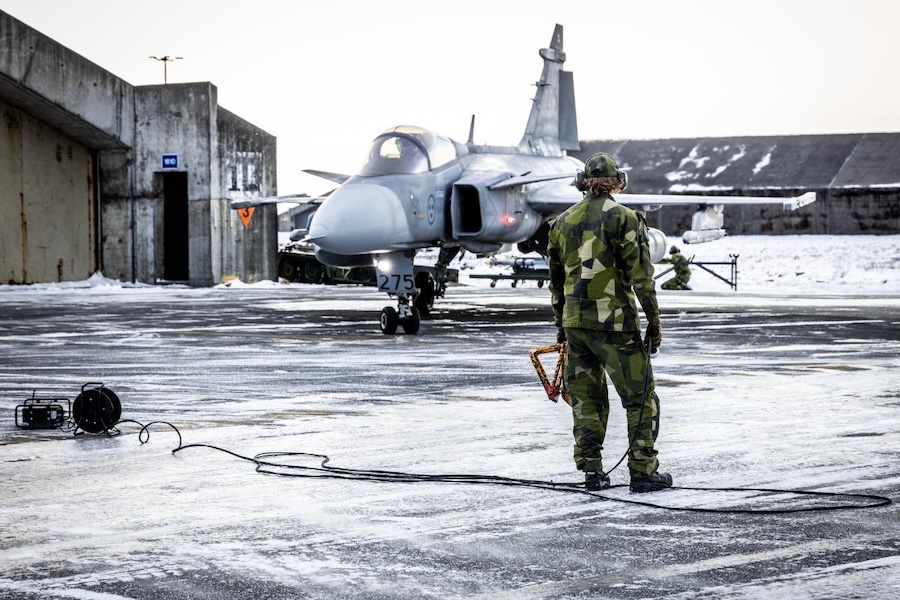
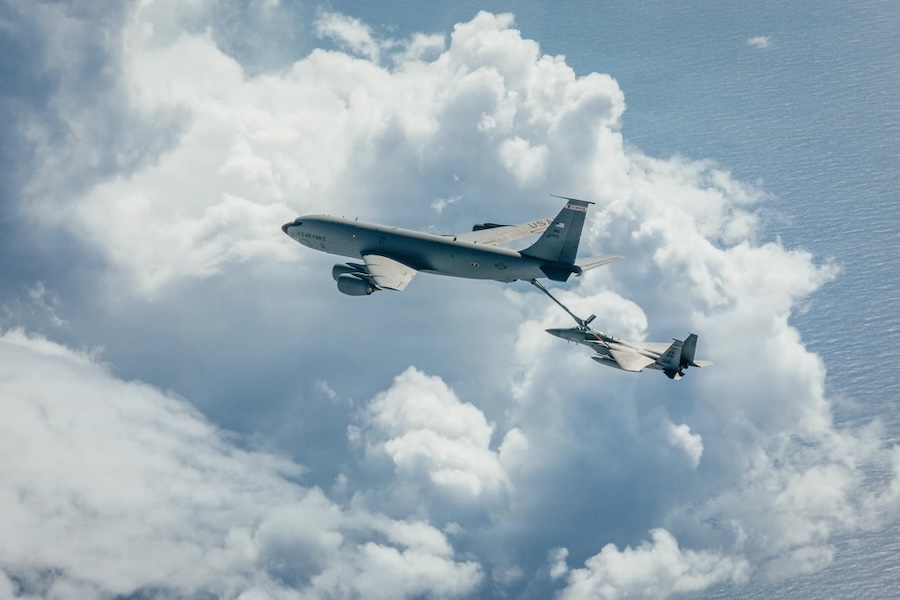
Hot-pit procedures allow maintainers to refuel aircraft while their engines remain running, enabling pilots to land and take off quickly to continue critical training maneuvers. Airmen applied their training to ensure aircraft were rapidly refueled and returned to the air.
“My role in the operation at [RAF] Lossiemouth was to apply the training I received in refueling F-35s, combined with my experience refueling F-15s, to ensure the aircraft were quickly refueled and back in the air as fast as possible,” said Clark.
The exercise required Airmen to transfer their skills between fourth- and fifth-generation aircraft, creating a new level of flexibility on the flight line. Teams cross-certified on alternate airframes, reducing the time required to hot-pit aircraft and changing how the Air Force turns jets.
“It’s a new way of being able to keep the global air dominance we have,” Clark said. “When we’re out deployed somewhere and we need aircraft refueled quickly back up in the sky, having multiple people who are able to work on multiple different aircraft can really help.”
Master Sgt. Sean Millay, 492nd Fighter Generation Squadron mission capability crew team lead, said the initiative reinforces the Multi-Capable Airmen concept. “We’re reinforcing the Multi-Capable Airmen concept to the point where Airmen like Clark know how to put gas in a jet. Five years ago, you wouldn’t have seen an avionics troop with this sort of cross-certification. Out here we have [the 492nd FGS known as] “Blue” and [the 493rd FGS known as] “Gold”, crews that can rearm both airframes comfortably immediately prior to launch and make sure they are ready to go,” he said.
Millay said cross-certification allows smaller teams to operate more independently across locations. “The cross-certification of Airmen creates the capability to deploy a small team that has the ability to turn multiple airframes, transforming a system that previously would have needed 15 to 20 people to turn an F-15 and F-35 at the same time,” he said. “This takes the manning footprint down to a mission capable team, providing the capability of sending teams all over England with the ability to land, refuel, rearm and take off from any airfield, revolutionizing global air dominance.”
Clark said working across aircraft platforms has also been personally meaningful. “Being able to work on these historic aircraft feels very good, and it’s very cool to look back in the history books and see pictures of these same aircraft that I’m putting my blood and sweat into on a day-to-day basis, and see that we were doing the same thing 20 or 30 years ago – it’s truly an awesome job,” he said.