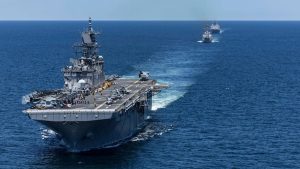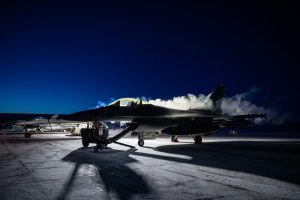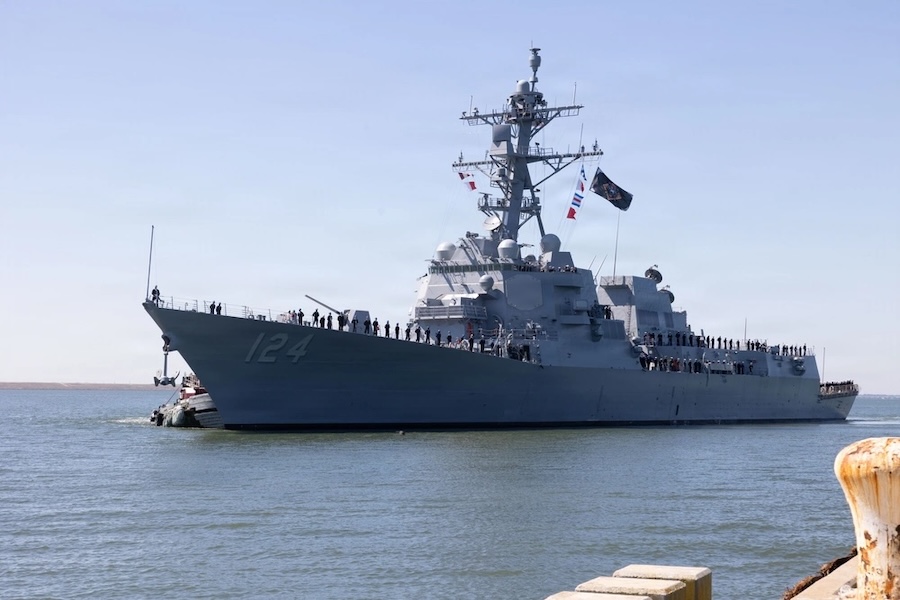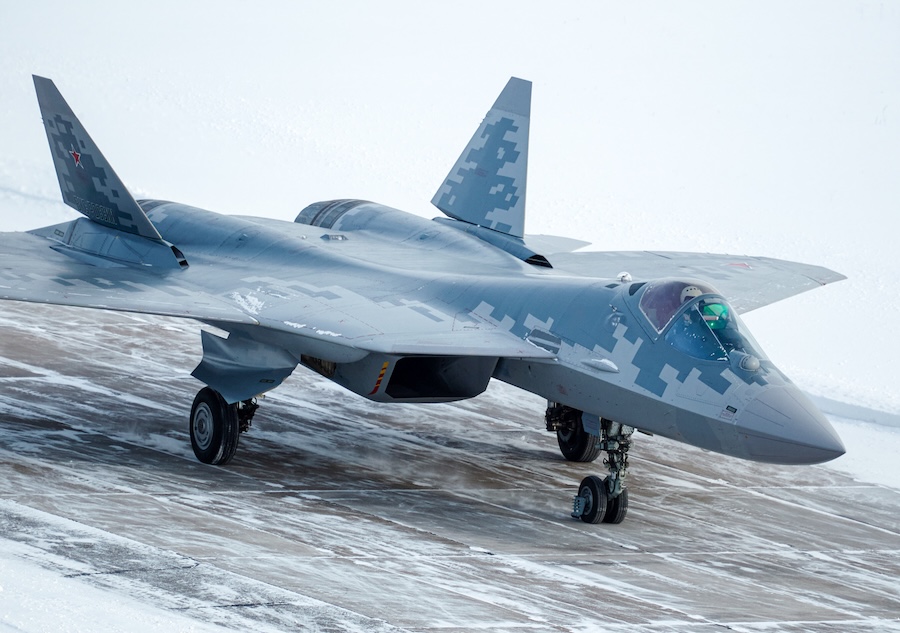



The proposed weapon is intended to further strengthen capabilities to penetrate adversary air defense systems. At the same time, the missile is expected to have the ability to eliminate both ground and airborne targets.
According to NAVAIR requirements, the new missile must offer greater range than current weapons in this class. It must also be compatible with the Boeing F/A-18E/F Super Hornet, the Lockheed Martin F-35C Lightning II, and the Boeing E/A-18G Growler electronic attack aircraft.
The missile is expected to be ready for production within two years of contract signing. The initial requirement is estimated at 300 units.

This may suggest continued development of the AGM-88G AARGM-ER long-range missile line, on which the SiAW air-to-ground missile has already been based. Currently, the core of the air defense suppression arsenal consists of next-generation guided missiles supplied by Northrop Grumman.
These include the AGM-88E AARGM, which saw combat use against Houthi forces in 2025, as well as the AGM-88G AARGM-ER. The U.S. Navy’s need to counter airborne targets may indicate that the new weapon will likely be capable of engaging airborne early warning and control aircraft that in some countries effectively complement ground-based radar systems.