Speaking at an event organised by the Heinrich-Böll Foundation in Brussels on Monday evening, Kubilius criticised the state of cross-border defence cooperation. “We have no success story of developing pan-European or at least regional defence projects,” he said.
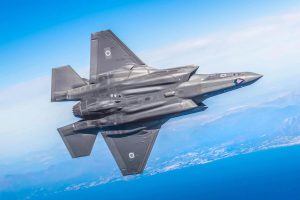
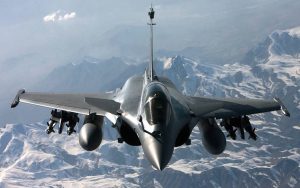
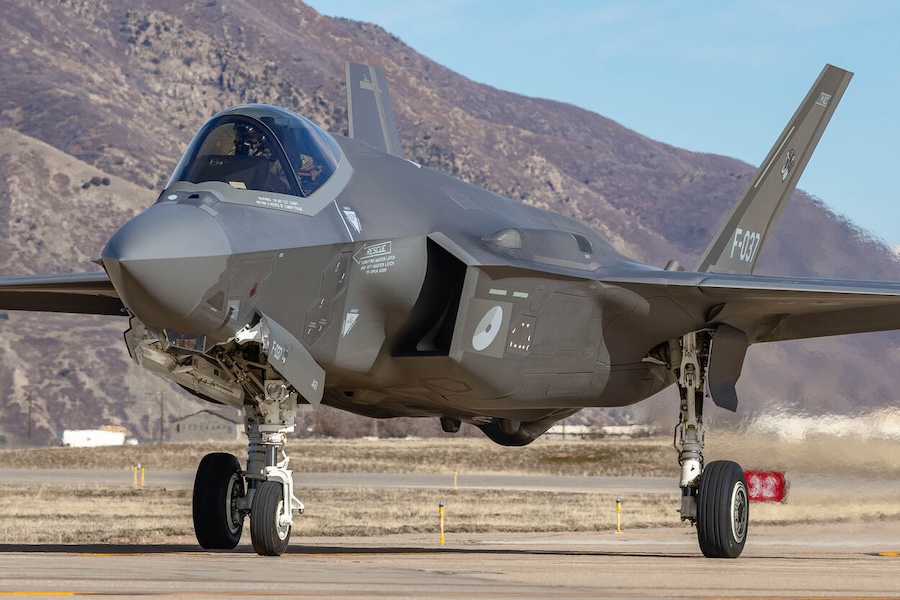
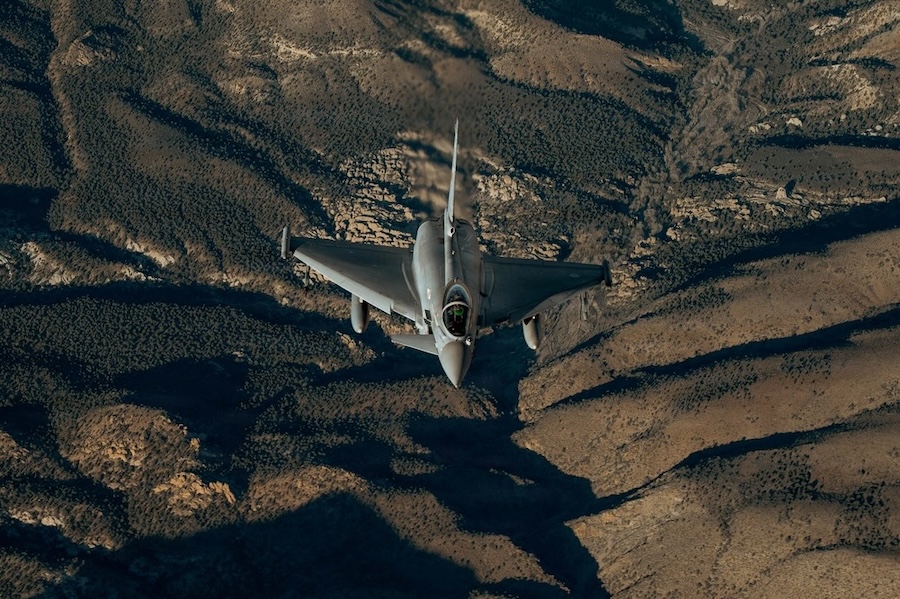
“The last example of this failure is FCAS,” Kubilius added. The €100 billion programme was launched in 2017 to replace Germany and Spain’s Eurofighters and France’s Rafale jets by 2040.
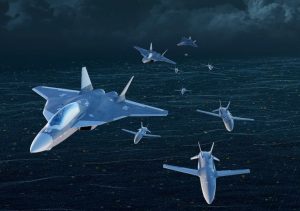
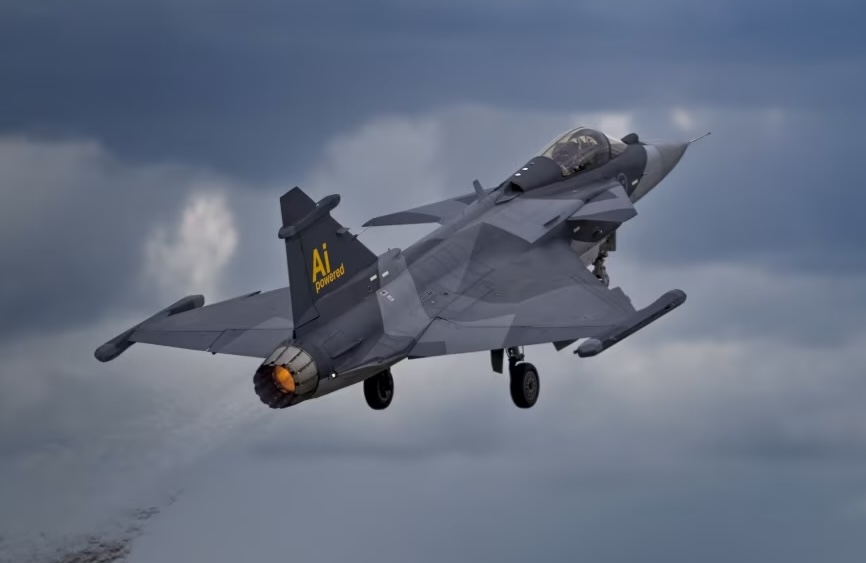
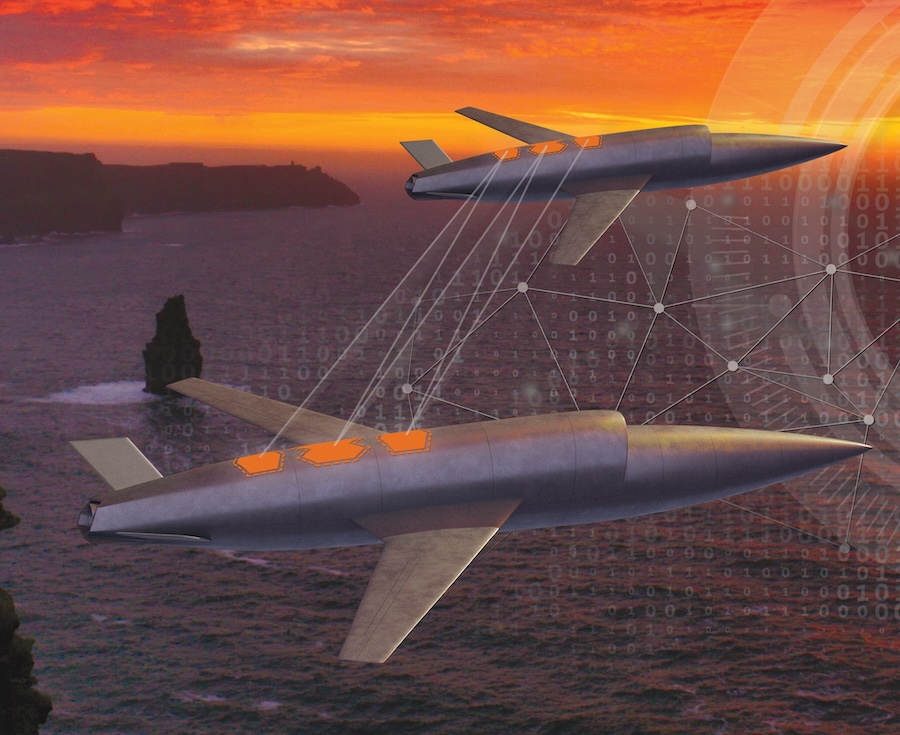
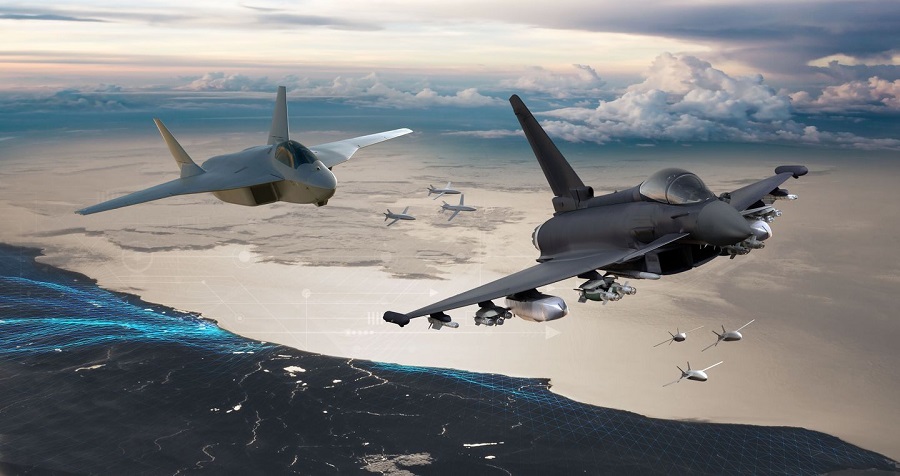
Centred on a next-generation fighter aircraft operating alongside a network of drones and an AI cloud, the project has been stalled for more than a year. Disagreements between Germany’s Airbus Defence and Space and France’s Dassault over work allocation have intensified uncertainty about its future.
German Chancellor Friedrich Merz recently stated that the disagreements extend beyond politics, further fuelling doubts over the programme’s viability. Several potential solutions to break the impasse have been discussed in recent months.
One option under consideration would separate the fighter jet element from the wider aerial combat system, enabling Germany and France to develop their own aircraft. Airbus Defence CEO Michael Schöllhorn described this approach as “a viable option and […] a good option” in comments to Euractiv.
The German aerospace industry and a workers’ union have also backed the idea of splitting the jet component. France, Germany and Spain had intended to reach an agreement by the end of last year, but the decision was postponed indefinitely.
Germany has been expecting a proposal from France on how to proceed since the end of February, yet no public communication has been made so far. From a broader EU perspective, Kubilius warned that such projects may remain difficult to implement “if we are not institutionally united.”
Source: Euractiv.