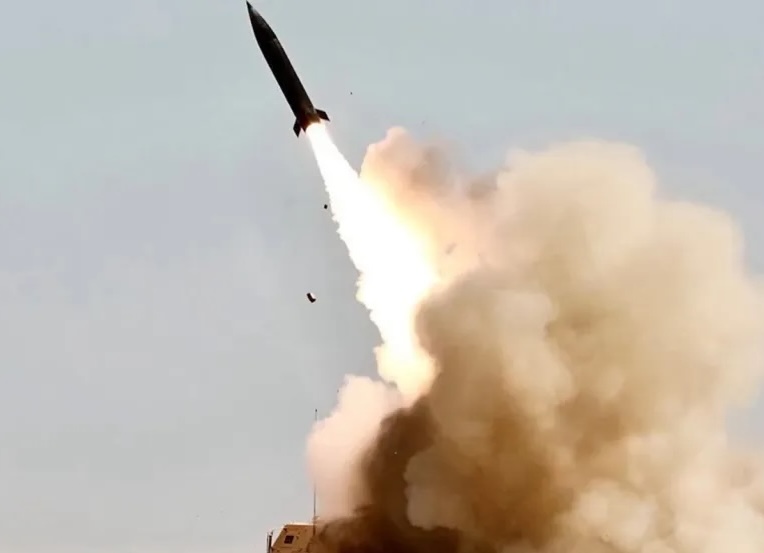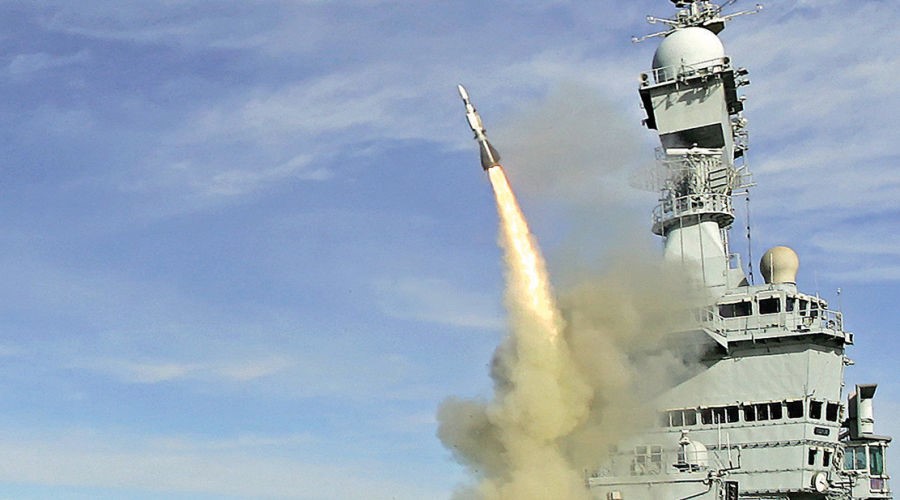
“A ballistic munition detected to have been launched from Iran and, after passing through the airspace of Iraq and Syria, directed towards Turkish airspace, was timely engaged and neutralized by NATO air and missile defense assets deployed in the Eastern Mediterranean,” the Turkish Defence Ministry said in an English-language statement. The ministry added that debris recovered in southern Turkey was linked to the interceptor used during the engagement.
“The munition fragment that fell in the Dörtyol district of Hatay was identified as belonging to the air defense interceptor used to neutralize the threat in the air. There were no casualties or injuries in the incident,” the statement said. Officials confirmed that no injuries or fatalities were reported following the incident.
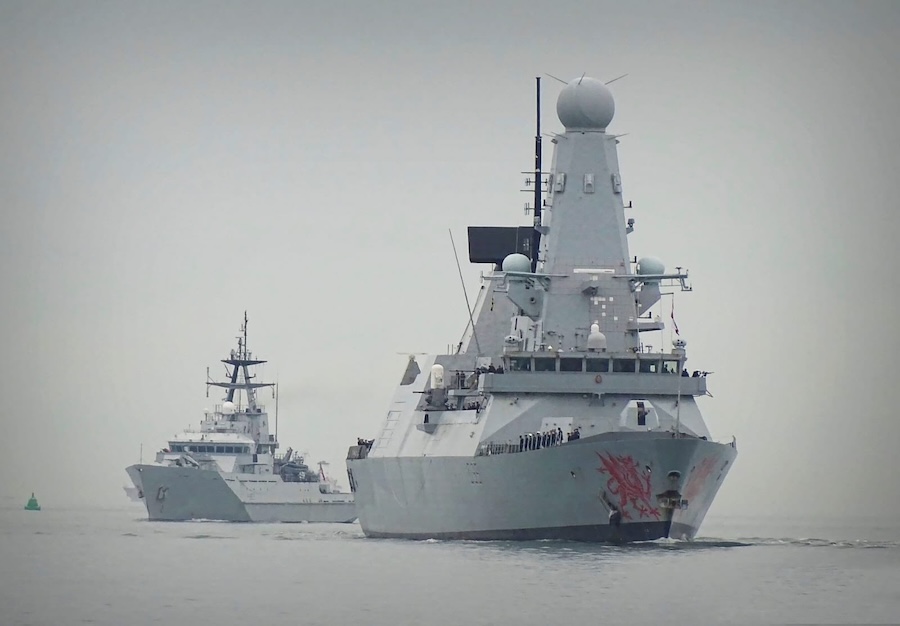
Pentagon officials declined to specify which platform intercepted the missile but noted the presence of several U.S. naval assets in the Eastern Mediterranean. The United States currently operates six guided-missile destroyers in the area, including USS Roosevelt (DDG-80) and USS Bulkeley (DDG-84), both assigned to the U.S. European missile defence system designed to counter Iranian ballistic missiles.
Additional NATO-linked naval forces in the region include the Gerald R. Ford Carrier Strike Group and its escort ships USS Winston S. Churchill (DDG-81), USS Bainbridge (DDG-96) and USS Mahan (DDG-72). According to the USNI News Fleet & Marine Tracker, the independently deployed guided-missile destroyer USS Thomas Hudner (DDG-116) has also been operating in the Eastern Mediterranean since Monday.
NATO spokesperson Allison Hart condemned Iran’s actions following the interception. “We condemn Iran’s targeting of [Turkey]. NATO stands firmly with all Allies, including [Turkey], as Iran continues its indiscriminate attacks across the region,” she said in a statement.
Hart added that the alliance remained prepared to defend its members. “Our deterrence and defense posture remains strong across all domains, including when it comes to air and missile defense,” she said.
The incident also drew attention to the strategic importance of Incirlik Air Base in southern Turkey, which the United States shares with the Turkish military. The base has long hosted a stockpile of U.S. non-strategic nuclear gravity bombs.
Speaking at a Pentagon briefing on Wednesday, U.S. Defence Secretary Pete Hegseth confirmed he was aware of the interception but said further details were still being gathered. “No sense that it would trigger anything like Article 5, no,” Hegseth told reporters.
Article 5 of the NATO treaty states that an attack against one member state is considered an attack against all members of the alliance. Turkey is a member of NATO.
Source: USNI News.