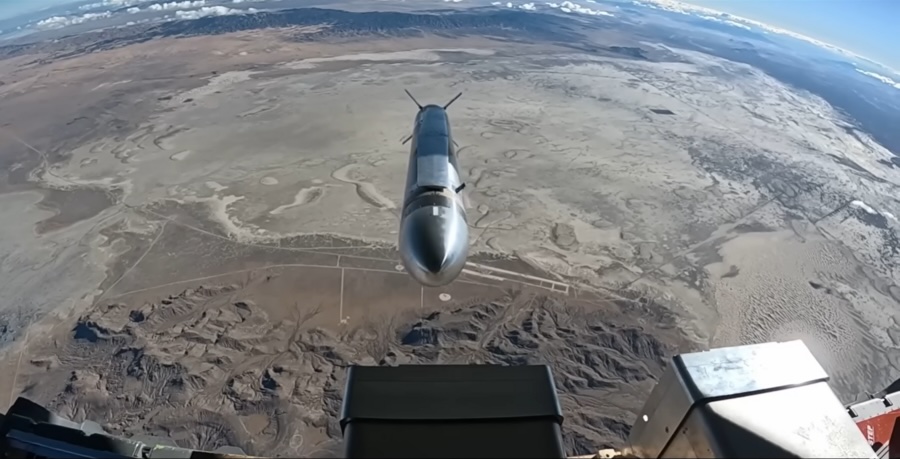

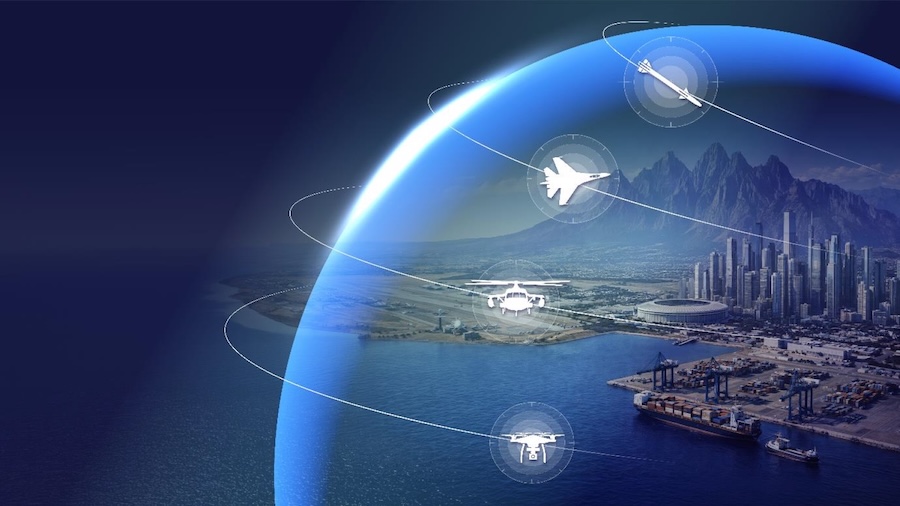
The system has been developed in response to the rapid evolution of air and missile threats ranging from small drones to hypersonic weapons. According to Thales, such attacks are becoming increasingly complex and unpredictable, requiring advanced defence architectures capable of operating across multiple domains.
SkyDefender integrates a network of sensors and effectors with a command and control environment designed to coordinate defensive responses. The system uses an open and modular architecture that allows it to operate alongside existing air defence platforms and legacy systems.
At short range, SkyDefender employs the ForceShield system to protect military forces, critical infrastructure and sensitive locations. This layer is designed to counter lower-level threats such as drones and other short-range aerial systems.
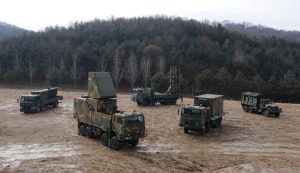
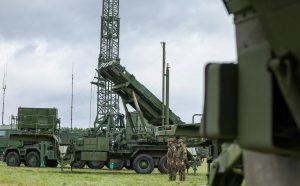
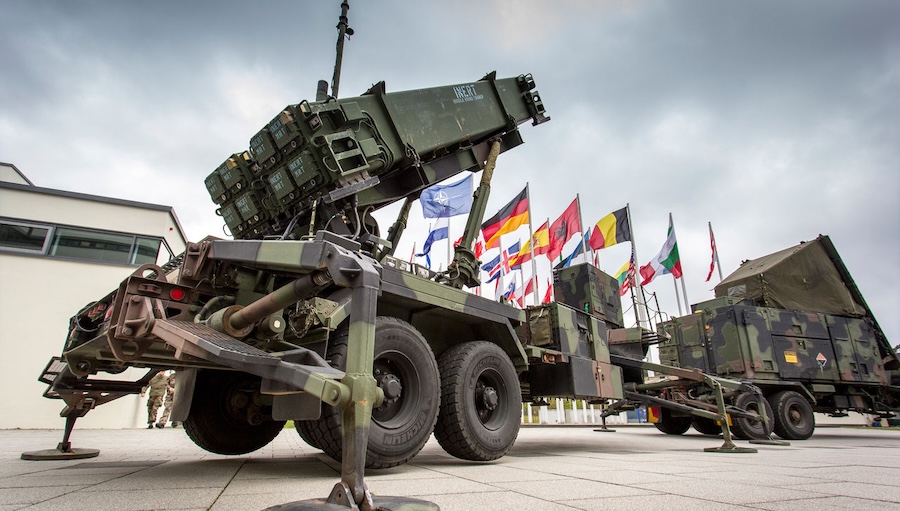
Medium-range defence is provided by the SAMP-T NG system developed by Eurosam, a joint venture between Thales and MBDA. The system can engage targets at ranges of up to 150 kilometres and uses the Ground Fire radar, which provides 350 kilometre detection capability and wide-area coverage.
Long-range protection is delivered through a network of advanced radar and early warning technologies designed to detect threats at much greater distances. Systems such as the SMART-L MM and UHF radars can identify potential threats at ranges of up to 5,000 kilometres.
Thales Alenia Space also contributes to this layer through satellite-based early warning capabilities. Satellites equipped with infrared sensors can detect missile launches and determine their location before they enter the detection range of ground-based radar systems.
All of these elements are coordinated through Thales’ SkyView command and control system. The SkyView Alliance capability is designed to ensure interoperability with NATO and allied multi-domain defence platforms.
The company said SkyDefender can integrate with sensors and weapons produced by multiple manufacturers. This compatibility allows the system to be deployed alongside existing air defence networks while remaining adaptable as new threats emerge.
Thales also emphasised the role of artificial intelligence and cyber protection within the system. By combining cybersecurity expertise with its cortAIx artificial intelligence accelerator, the company aims to enhance operational awareness and protect the system against cyber threats.
Hervé Dammann, Executive Vice-President for Land and Air Systems at Thales, said the company developed the system to strengthen national defence capabilities. “Thales is proud to contribute to the sovereignty of our nations with SkyDefender, the global air and missile defence dome based on our latest advanced technologies, from counter-drone protection to early warning capacities.”
He added that the system is designed to be deployed rapidly and integrated with existing defence networks. “With SkyDefender Thales provides a combat-proven system, easy-to-integrate and available today, confirming our position as a long-term trusted partner for the armed forces.”