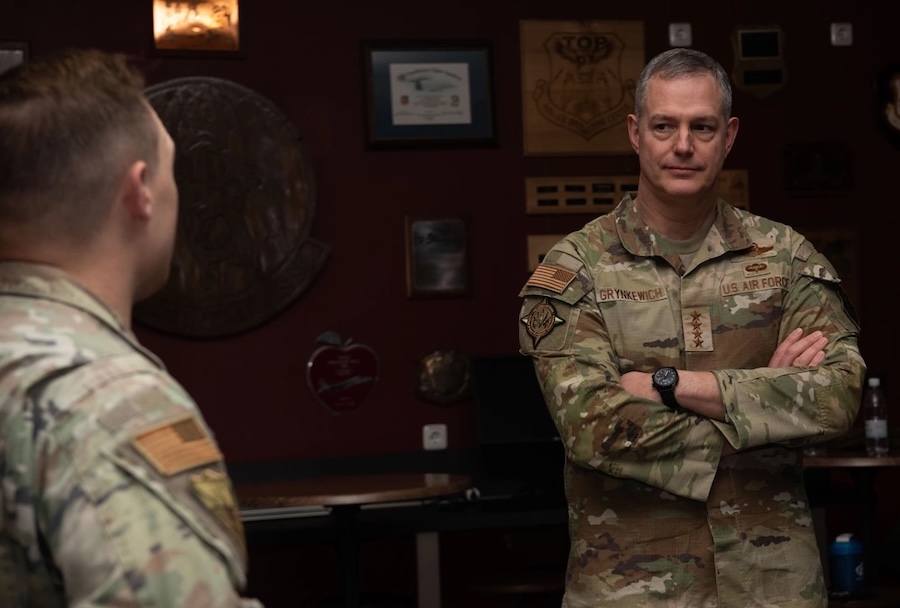

Details about the use of AI were shared by Adm. Brad Cooper, the commander leading the operation, who described how advanced digital tools are assisting U.S. forces during the campaign. According to information released publicly, more than 5,500 targets have already been struck during the operation with support from modern analytical systems.
One of the key technological solutions involved in the targeting process is the Maven system used by the Pentagon, which was developed with the involvement of Palantir Technologies. The platform analyzes large data sets and helps military planners identify potential targets and determine which should be prioritized.
Reports indicate that parts of Maven’s analytical capabilities rely on artificial intelligence models originally developed by the company Anthropic. Although the Claude model created by Anthropic was reportedly placed on a government blacklist, commanders appear to continue accessing similar analytical capabilities through intermediary platforms integrated into existing systems.
In a public report, Cooper explained that the United States is working toward eliminating Iran’s ability to threaten American forces and their allies. He emphasized that the current strategy combines firepower, precision and technological innovation to achieve operational effectiveness.
According to the commander, advanced AI systems are now being used by U.S. forces to rapidly analyze large amounts of operational data. This capability enables commanders to filter out irrelevant information and make faster and more accurate decisions than opposing forces can react to.
Despite the growing role of automated analysis, Cooper stressed that humans remain responsible for the final decision in the use of force. He explained that while AI significantly speeds up processes that previously took hours or even days, the ultimate authority to authorize strikes still rests with human operators.
The commander’s remarks align with statements made earlier by Pentagon officials in February 2026 regarding the expanding role of artificial intelligence in military operations. At the same time, the rapid development of AI technologies and the evolving global security environment continue to fuel debate about how autonomous systems may shape future warfare.