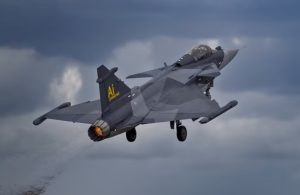
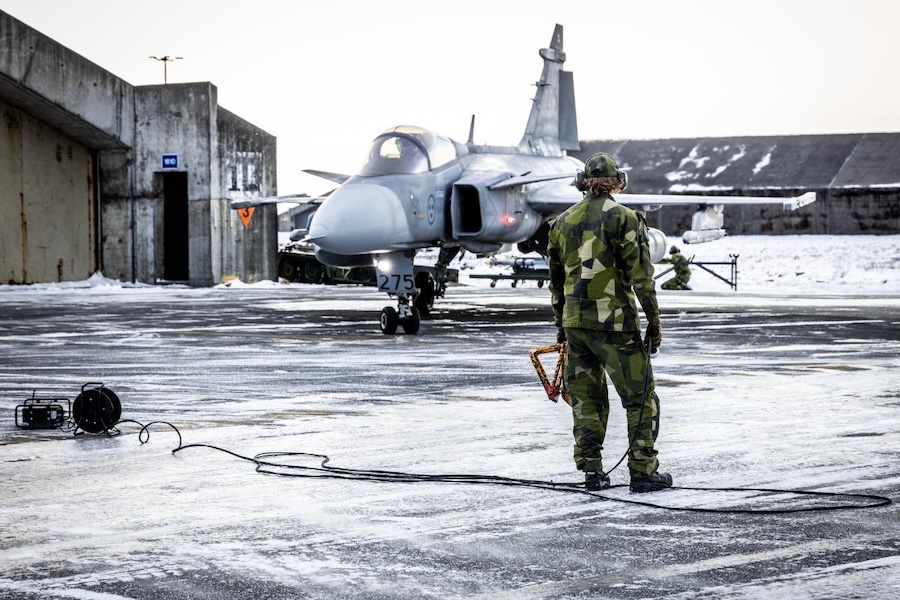
Six Gripen fighter aircraft and more than 110 personnel from Skaraborg Air Wing F 7 were deployed to Iceland for the operation. During the mission, Swedish forces maintained NATO’s incident preparedness across the island and contributed to the Alliance’s air defence posture in the High North.
The deployment required crews to operate in challenging Arctic conditions while remaining fully integrated within NATO’s operational structures. The Swedish detachment operated under the command and control framework of NATO’s Combined Air Operations Centre in Uedem.
Lieutenant Colonel Johan Legardt, Swedish Detachment Commander, highlighted the significance of the deployment for Sweden and its armed forces. “Serving in Iceland has been a proud moment for our team and for Sweden,” he said.
Legardt noted that the demanding environment tested both personnel and equipment during the mission. “Operating in the High North is never easy, the weather, the distance and the conditions constantly test our people, but that is exactly the environment we train for at home,” he explained.
He also emphasized the importance of working alongside allied forces during the mission. “This deployment also provided the opportunity to work side by side with our Danish and German Allies, different aircraft but one shared responsibility, safeguarding NATO airspace in the High North,” Legardt added.
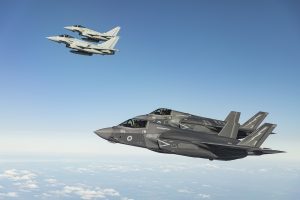
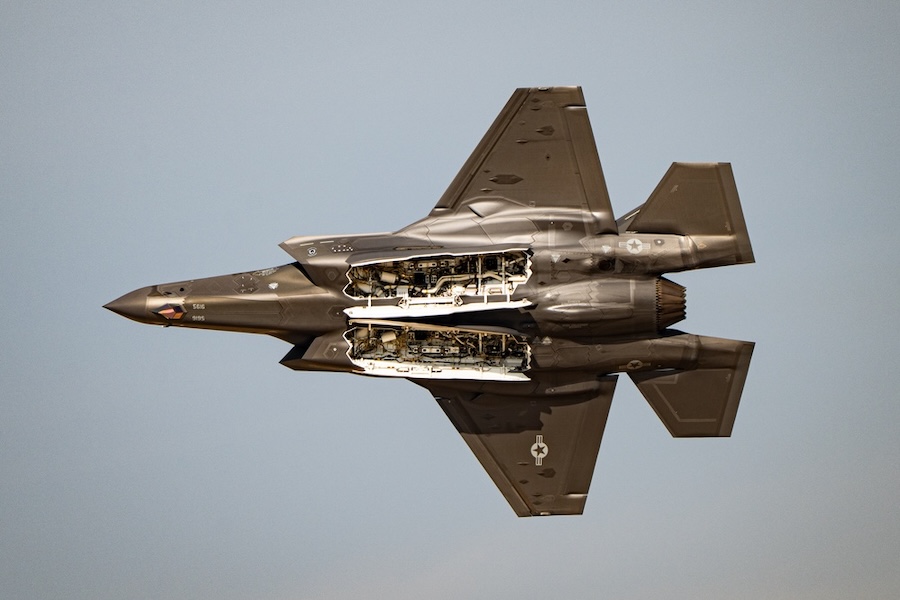
During the operation, the Swedish detachment worked closely with other NATO air forces active in the region. Danish F-35 fighters and German Eurofighter aircraft participated alongside the Swedish Gripens to strengthen the Alliance’s air presence across the Arctic.
The multinational cooperation demonstrated how different aircraft generations and capabilities can operate effectively within NATO’s integrated air and missile defence system. The Swedish personnel also coordinated with Icelandic authorities to maintain airspace awareness and ensure the safety of civilian and military aviation.
The mission highlighted Sweden’s expanding role in NATO’s collective defence following its accession to the Alliance. It also demonstrated the adaptability of the Gripen fighter and the experience of Swedish crews operating in harsh northern climates.
NATO officials note that Arctic Sentry activities reflect the growing strategic importance of the High North to Euro-Atlantic security. The Arctic and North Atlantic represent a vital corridor between North America and Europe, making the region essential for surveillance, early warning and collective defence.
Through continued multinational cooperation and rotational deployments, NATO aims to maintain a credible presence in the region. Missions such as Icelandic Air Policing reinforce the Alliance’s unity and readiness while ensuring the security of NATO airspace in a strategically important area.