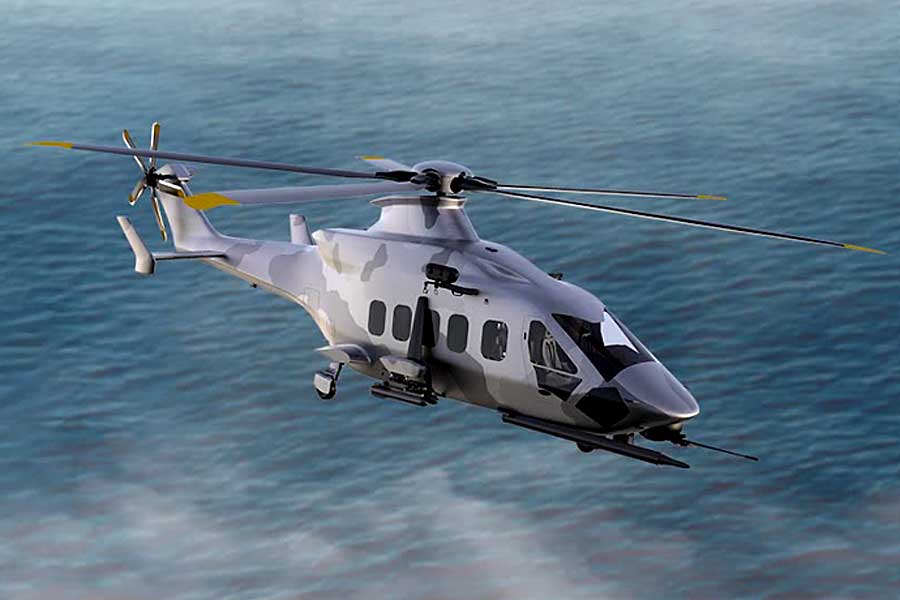
The next phase of the research will focus on advancing detailed engine design concepts and evaluating efficiencies at the component level. The work builds on early findings and is intended to further develop a propulsion architecture capable of meeting future operational and sustainability requirements.
The collaboration reflects a broader effort by both companies to explore technologies that could significantly improve helicopter propulsion systems. The project seeks to identify ways to reduce fuel consumption and carbon dioxide emissions while preserving the performance standards required for modern rotorcraft operations.
During the initial stage of the program, the companies focused on foundational research to examine potential propulsion concepts. The continued study will expand this work by refining design approaches and assessing how new technologies could be integrated into next-generation helicopter engines.
Elissa Lee, executive director of commercial turboshaft engines at GE Aerospace, said the next phase of the collaboration will focus on understanding how advanced technologies can support future rotorcraft missions. “GE Aerospace is excited to enter this next phase with Airbus Helicopters to advance the technologies and design approaches that can shape the future of helicopter propulsion.”
Lee emphasized that the research will examine both operational and environmental performance requirements. “Together, we are focused on understanding what it will take to deliver meaningful sustainability and efficiency gains, while continuing to meet the demanding mission needs of our helicopter operators.”
GE Aerospace said the program also reflects the company’s broader work on advanced propulsion technologies for aviation. Through its FLIGHT DECK lean operating model, the company is accelerating the development of high-performance turboshaft engines and other propulsion architectures.
According to the company, the approach helps translate research concepts into practical engineering solutions that can be built, tested and eventually deployed. The effort is intended to support future helicopter platforms with propulsion systems designed to meet evolving operational and environmental expectations.