

The CDR is a crucial stage in naval system development that verifies whether a design satisfies all technical and operational requirements. It also confirms that the system’s architecture, interfaces, safety features and integration pathways are ready for implementation.
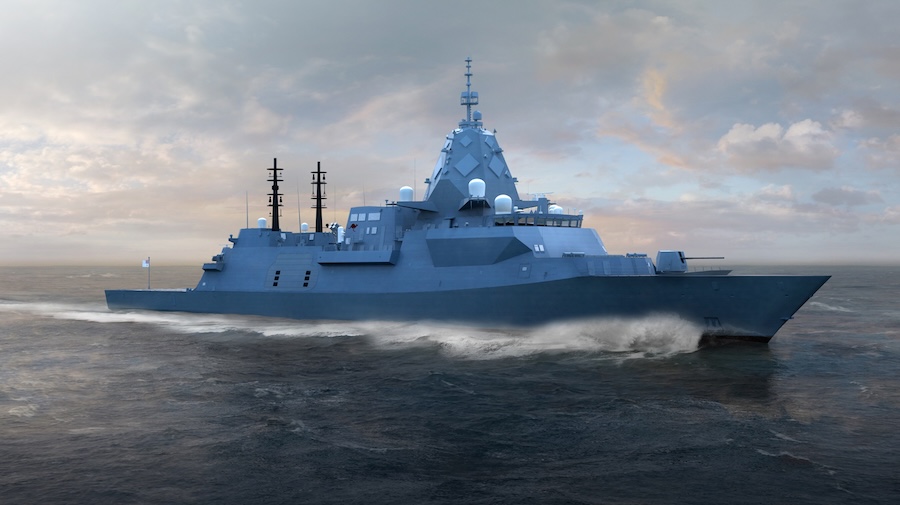
Anschütz is delivering the WINBS under contract with BAE Systems Maritime Australia, the prime contractor responsible for the Hunter-class frigate programme. According to the company, close cooperation with BAE Systems and local partners played an important role in achieving the milestone and ensuring alignment with programme requirements.
A key element of the navigation system is its integration with the Aegis Combat Management System used on the Hunter-class vessels. This integration enables the seamless distribution of validated navigational data across the ship, supporting tactical decision-making and improving situational awareness.
The interface between navigation and combat systems is considered essential for modern naval operations. Real-time data exchange and system interoperability allow commanders and operators to access consistent and reliable information during complex missions.
The WINBS solution incorporates several core components designed to meet the operational needs of the Royal Australian Navy. These include advanced naval radar systems that combine navigational and tactical capabilities, as well as multifunctional consoles that allow officers to access a consistent maritime picture and full navigational functions from positions on the bridge or within the operations room.
The system is built on a sensor-agnostic, software-defined architecture designed for shared computing environments and network infrastructures. This structure allows flexible integration of mission-specific sensors and systems while supporting fleet commonality.
The user interface has been designed to provide consistent data presentation and intuitive operation for naval crews. Built-in redundancies and secure data management also contribute to operational safety and system resilience in demanding maritime environments.
Anschütz’s role in the Hunter-class programme builds on its extensive experience delivering integrated navigation systems for modern naval vessels worldwide. The company is also supplying WINBS solutions for the United Kingdom’s Type 26 and Type 31 frigates, as well as systems for Germany’s F125 and K130 vessels and Brazil’s Tamandaré-class frigates.
To support the Australian programme and strengthen its long-term regional presence, the company has established a local subsidiary, Anschuetz Australia Pty Ltd. The new entity is intended to enhance cooperation with Australian industry and provide local engineering support for the programme.
Through partnerships, technology transfer and collaboration with Australian suppliers, Anschütz aims to contribute to sovereign defence capabilities and support the national shipbuilding enterprise. The company said a substantial share of the contract value will be delivered through Australian companies, strengthening the local defence supply chain.
Following completion of the design review and the establishment of its Australian subsidiary, Anschütz is preparing for the next stage of the programme. The company said it remains focused on delivering what it described as a world-class navigation solution for the Royal Australian Navy’s future fleet.