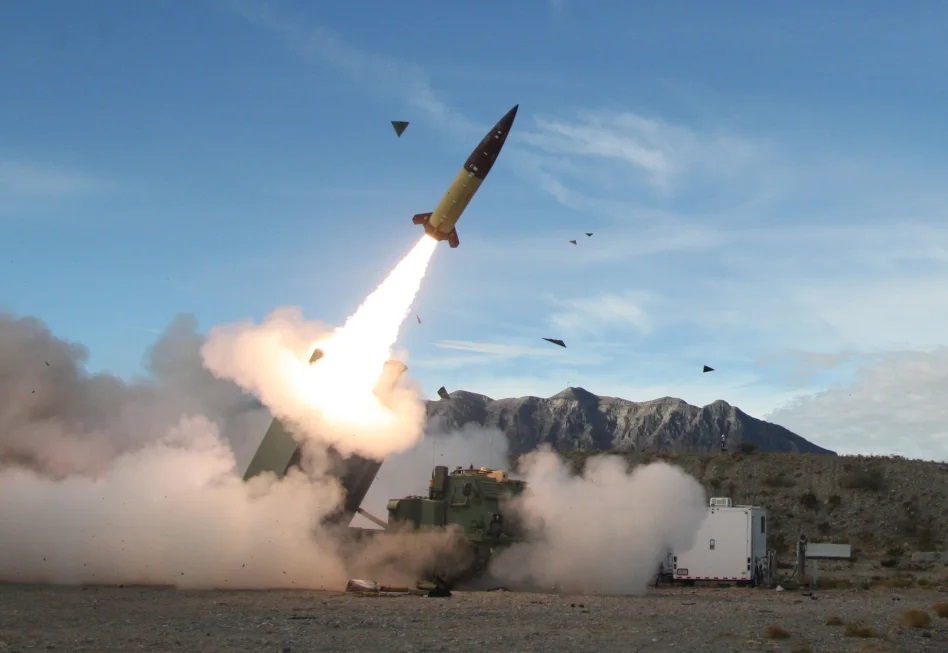
The experiment formed part of a broader distributed testing effort carried out simultaneously at Fort Sill, Oklahoma, and White Sands Missile Range in New Mexico. The initiative involved multiple private industry partners alongside Soldiers from the 1st Armored Division based at Fort Bliss, Texas.
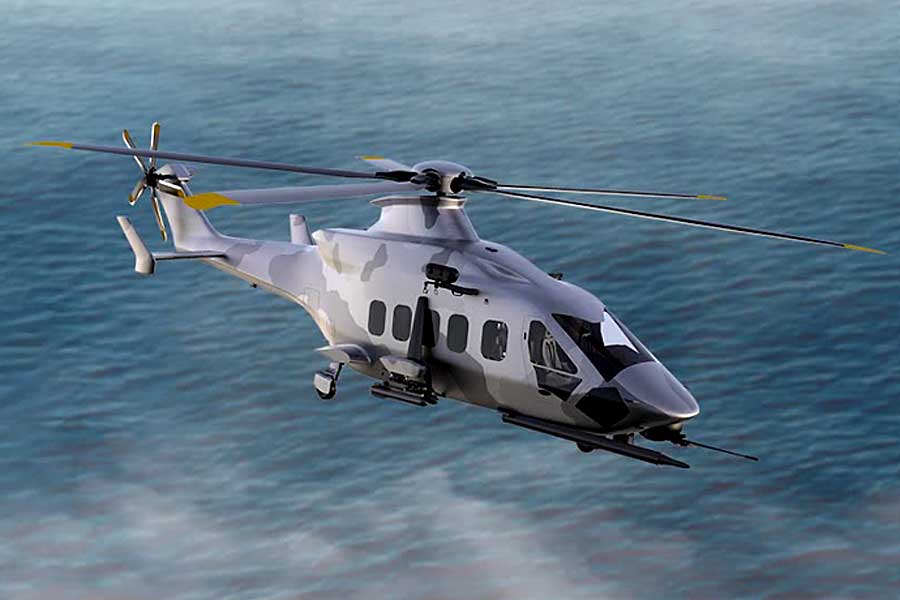
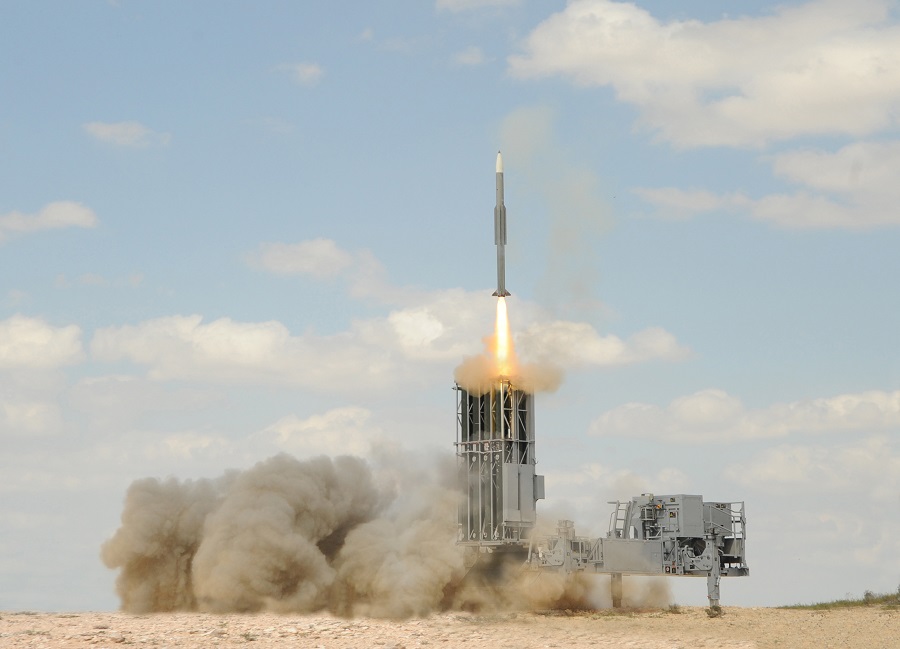
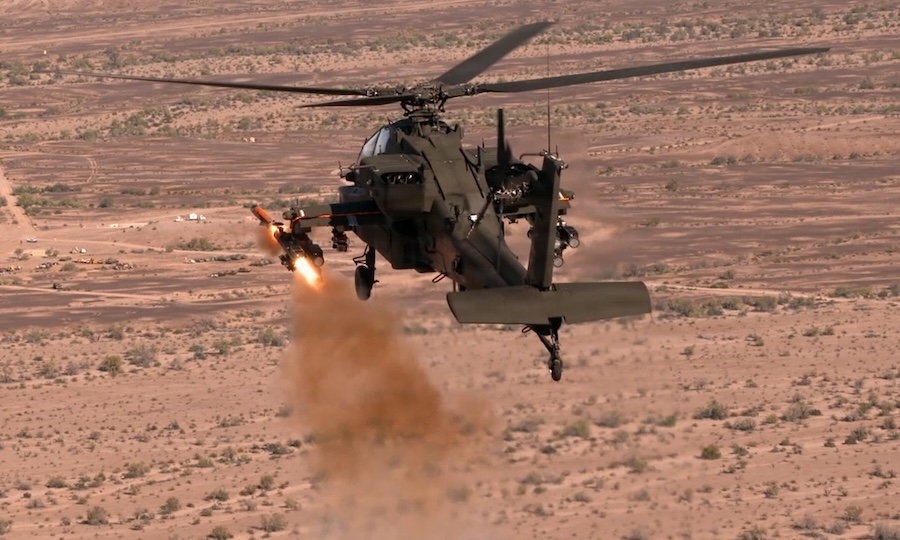
One of the key events during the testing was the successful launch of an Altius 700 Medium-Range Launched Effect from an AH-64 Apache helicopter at Yuma. The system was deployed both while the helicopter was hovering and while it was moving.
“They accomplished the launches from both a hover and while moving,” said Edgar Castillo, Yuma Proving Ground project engineer. “Hosting this was really good for us and the Army.”
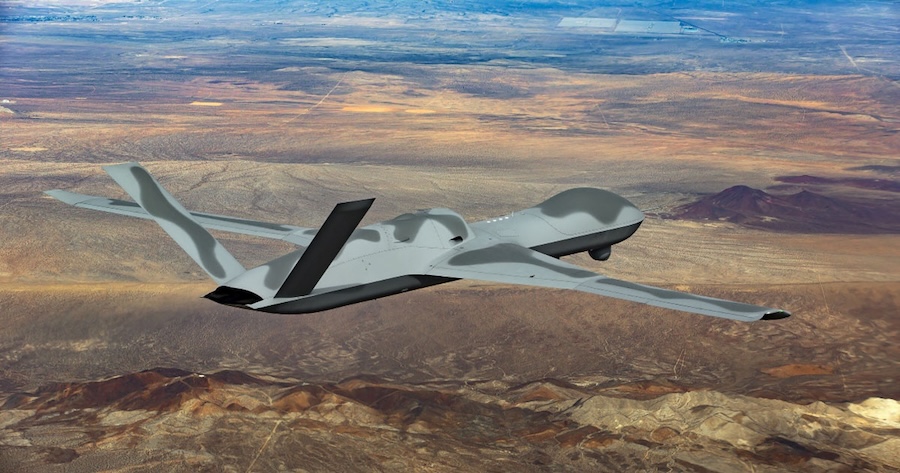
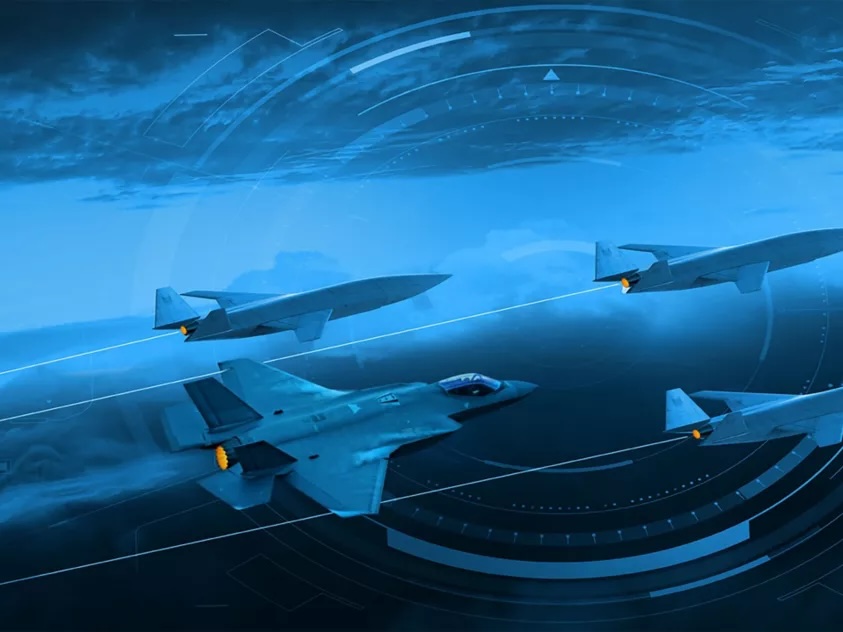
Launched effects are designed to extend the reach of sensors and strike capabilities for ground commanders. The systems allow machines to make initial contact with adversaries while providing additional sensing capabilities across the battlefield.
The Army is increasingly integrating unmanned aerial systems and launched effects across combat formations as part of combined arms operations. These technologies are intended to synchronize fires and maneuver across multiple phases of combat in complex environments.
Yuma Proving Ground was selected for the experiment due to its stable weather conditions and ability to control large portions of the radio frequency spectrum. The site’s dry climate and extensive testing infrastructure allow complex experiments involving autonomous and semi-autonomous systems.
According to officials, the installation’s resources enabled testing of network extension technologies and collaborative operations between unmanned platforms. The proving ground also supported demonstrations using technical and tactical targets across the installation.
“Yuma provides a critical advantage with its expert teams, threat simulators, and instrumentation, especially for aviation,” said Col. Bryan Jones, chief of the Aviation Future Capability Directorate’s Experimentation Division. “To guarantee a system is ready for the field, we have to push its limits in complex, realistic scenarios.”
Jones said the open testing environment at Yuma allows engineers and operators to identify potential issues early in the development process. “The unrestricted environment at Yuma is essential, allowing us to identify and resolve issues early, ensuring we deliver the most reliable and effective capability to our Soldiers.”
The three-week experiment also involved industry partners conducting complex tactical scenarios with emerging technologies. Officials said the activities generated insights that could inform the Army’s capability development efforts for years to come.
“There are only so many places in the world where you can safely test these weapons,” said Ernad Basic, senior director for research and development at Elbit. “This is the one place where I can get access to the range to fly a Class III UAS and push it to its limit.”
Industry participants also highlighted the logistical support provided by the proving ground during the experiment. Companies involved in the event said the facility helped enable efficient and comprehensive testing.
“From the get-go, YPG helped facilitate our test,” said Josh Higgins, senior director for Army Aviation Strategy at Anduril Industries. “My whole team had never had such a tremendous experience like this at a private range or government facility.”