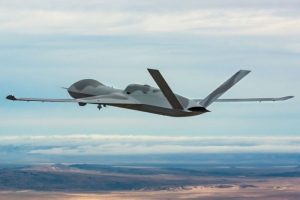
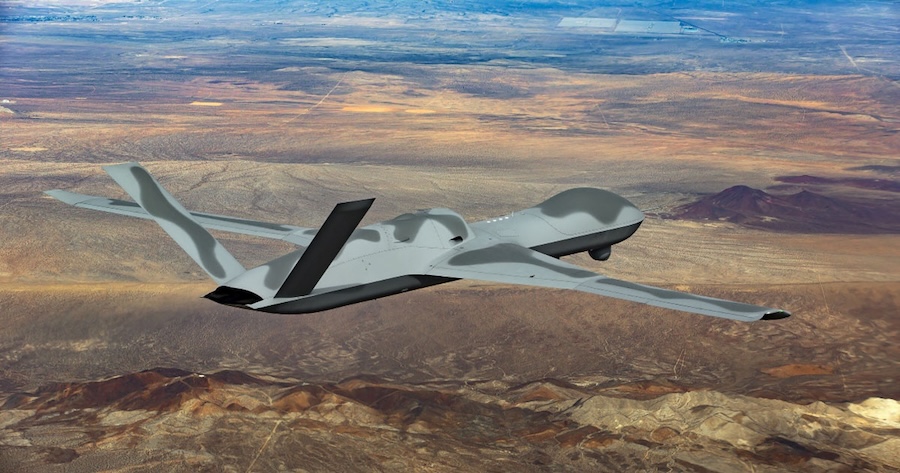
The exercise incorporated the latest government Autonomy Start Kit (ASK) and tested the aircraft’s ability to operate using a tactical proliferated low-Earth orbit data link. Officials said the test confirmed the system’s ability to coordinate autonomy behaviors and complex infrared sensing during a large force exercise.
During the flight, the MQ-20 conducted infrared sensing operations using a method known as Single Ship Ranging. The aircraft also demonstrated engagement functions using GA-ASI’s TacPad Pilot Vehicle Interface.
The company’s TacACE Tactical Autonomy Ecosystem, which is designed to align with the Autonomy Start Kit framework, was used during the exercise. The system demonstrated passive target localization through Single Ship Ranging with an Infrared Search and Track sensor.
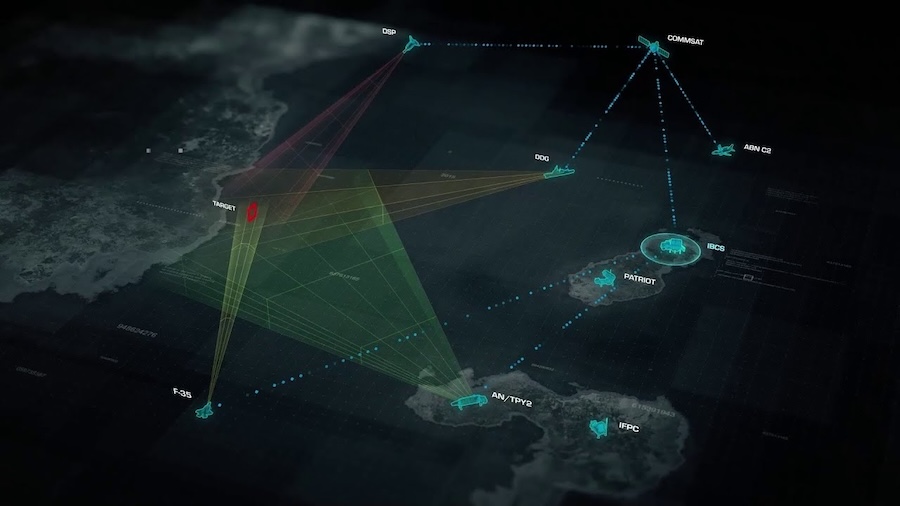
This capability allows the uncrewed aircraft to estimate target range and track airborne threats without using active radar emissions. Such passive sensing techniques can enable stealthier operations in contested or denied electromagnetic environments.
According to GA-ASI, the technology supports the development of sensor-to-shooter kill chains that remain fully passive. The system allows aircraft to detect, classify, and locate targets while minimizing the risk of detection.
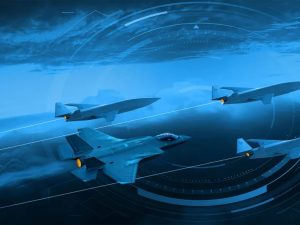
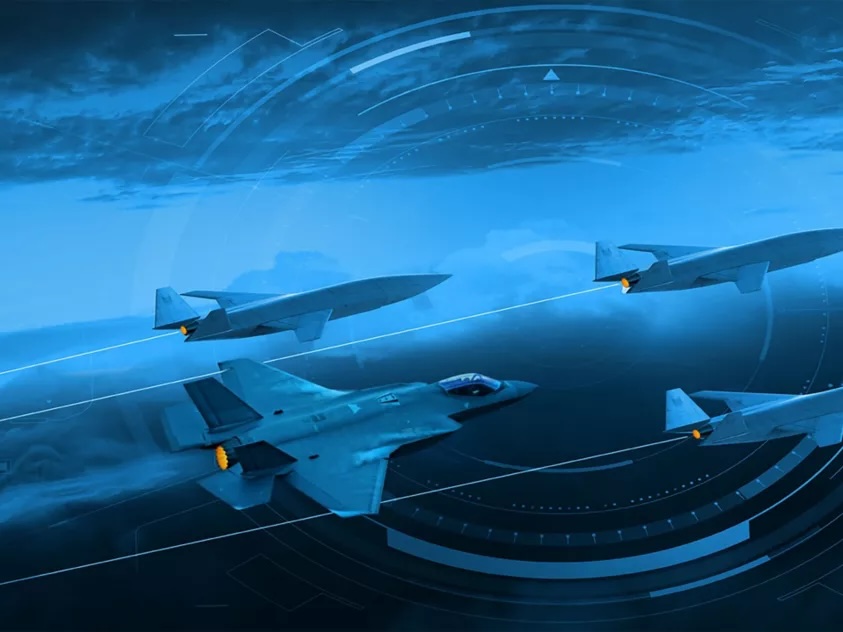
“Integrated within the TacACE’s modular skills library, SSR supports autonomous mission execution, cooperative targeting, and distributed kill chains, advancing the role of autonomous aircraft in future air combat and CCA operations. This flight was part of a large forces exercise and allowed internal investment to showcase GA-ASI’s capabilities,” said Mike Atwood, Vice President of Advanced Programs for GA-ASI.
The MQ-20 Avenger has been used by the company as a surrogate Collaborative Combat Aircraft platform for more than five years. The aircraft has supported development and testing activities both before and after the introduction of purpose-built CCA platforms.
These include the XQ-67A Off-Board Sensing Station and the YFQ-42A Collaborative Combat Aircraft systems. GA-ASI said the MQ-20 continues to serve as an important platform for testing new autonomous capabilities intended for future air combat operations.