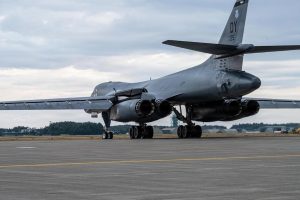


According to U.S. Central Command, the weapons were employed against hardened coastal targets considered a threat to maritime security. “U.S. forces successfully employed multiple 5,000-pound deep penetrator munitions on hardened Iranian missile sites along Iran’s coastline near the Strait of Hormuz. The Iranian anti-ship cruise missiles in these sites posed a risk to international shipping in the strait.”
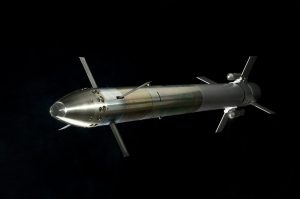
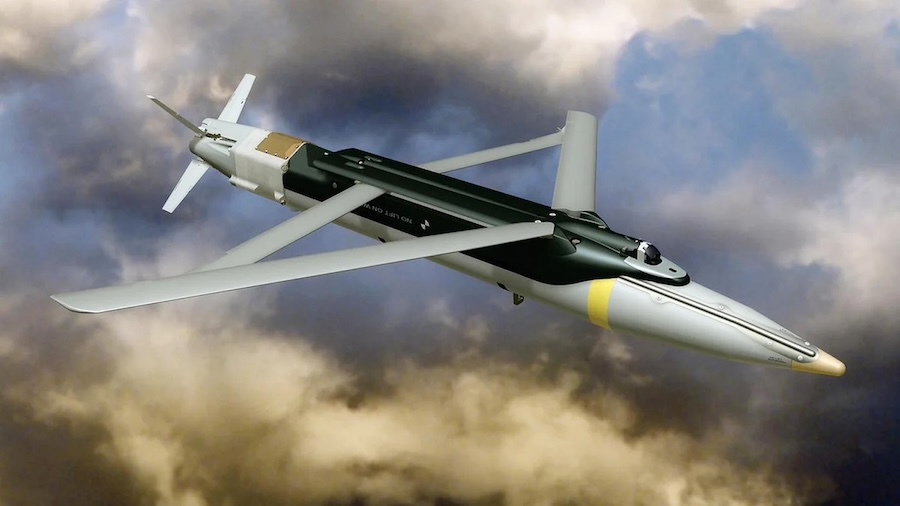
The munitions used were identified as GBU-72 precision-guided bunker-buster bombs, which entered service in 2021. Weighing approximately 2.3 tonnes, these weapons are designed to destroy deeply buried or heavily reinforced targets, including underground facilities protected by thick layers of soil or reinforced concrete.
Hours ago, U.S. forces successfully employed multiple 5,000-pound deep penetrator munitions on hardened Iranian missile sites along Iran’s coastline near the Strait of Hormuz. The Iranian anti-ship cruise missiles in these sites posed a risk to international shipping in the… pic.twitter.com/hgCSFH0cqO
— U.S. Central Command (@CENTCOM) March 17, 2026
While detailed performance characteristics remain classified, earlier variants of similar weapons were capable of penetrating up to 45 meters of earth or 4.5 meters of reinforced concrete before detonation. Such capabilities make them suitable for neutralizing underground bunkers and hardened military infrastructure.
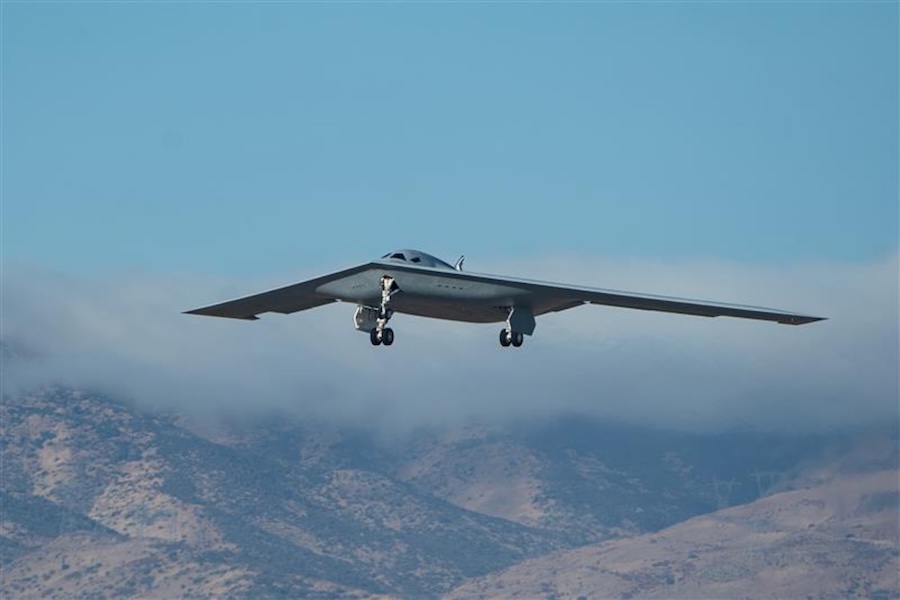
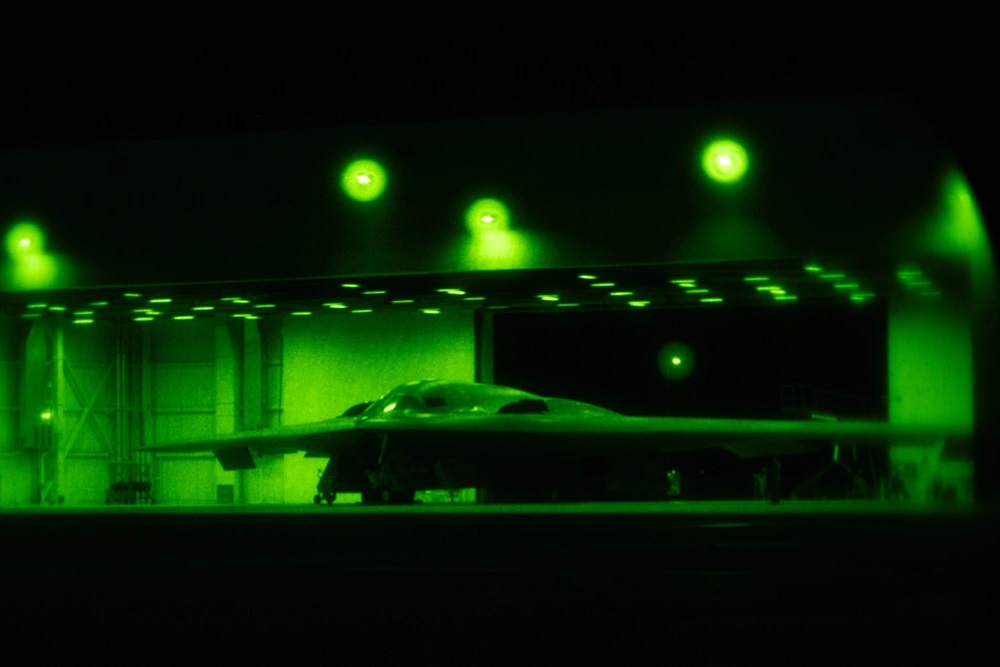
The GBU-72 is not the most powerful bunker-buster in the U.S. arsenal, however, as that distinction belongs to the GBU-57 Massive Ordnance Penetrator. This 14-ton bomb, deployable only by the B-2 Spirit stealth bomber, is capable of penetrating at least 60 meters of earth or 18 meters of reinforced concrete and has previously been used in U.S. strikes on underground Iranian nuclear-related facilities.
The deployment of bunker-buster munitions underscores the increasing intensity of U.S. operations in the region and highlights concerns over threats to international shipping routes. The Strait of Hormuz remains a critical chokepoint for global energy supplies, amplifying the strategic significance of the strikes.