The new operational model focused on integrating the Marine Air-Ground Task Force into a NATO command structure while establishing a joint logistics command. Officials said the approach is designed to support rapid response operations in the High North.
“In crisis, we don’t have the luxury of time; we have to be ready,” said Maj. Gen. Farrell Sullivan, commanding general of 2nd Marine Division. “Our ability to globally deploy combat credible forces into the High North in support of NATO underpins our commitment to allies and partners and our national interests.”
The exercise built on longstanding cooperation between the United States and Norway, including pre-positioned equipment stored in climate-controlled caves. This system allows Marines to access ready-to-use equipment upon arrival in the region.
“Seeing all the equipment and supplies ready for you, fueled, warm, and in a controlled-climate area, is a complete game changer,” said Staff Sgt. Alondra Plouff, a logistics noncommissioned officer with the 2nd Marine Logistics Group.
Equipment was transported to the port of Narvik as part of a complex reception and staging operation before being deployed across the region. A convoy escorted by Norwegian and Swedish forces moved logistics assets from Norway to Finland to support operations.
“Our strategic position in the Arctic, with open sea lanes, ice-free harbors and the ability to receive forces into the theater, is one of our most important roles,” said Brig. Gen. Nina Berg of the Norwegian Defense Logistics Organization.
The exercise included a joint airlift operation involving U.S. and European units, transporting Marines from Norway to Finland aboard KC-130J aircraft. Upon arrival, U.S. forces operated under Swedish command, conducting combined combat operations.
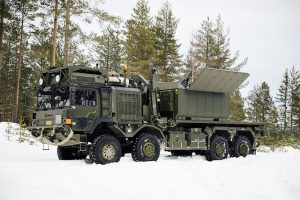
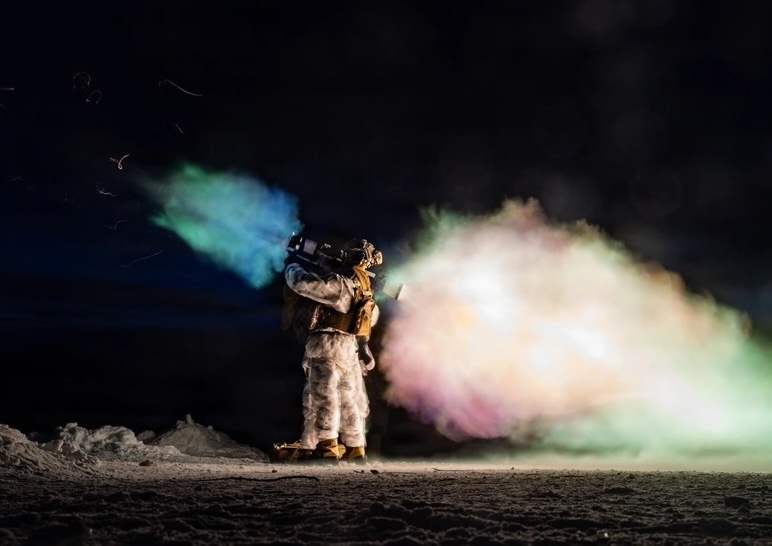
At the same time, other Marine units in Norway trained alongside Norwegian forces, using specialized all-terrain vehicles to maneuver in harsh Arctic conditions. These units engaged Spanish forces acting as an opposing force in a simulated combat scenario.
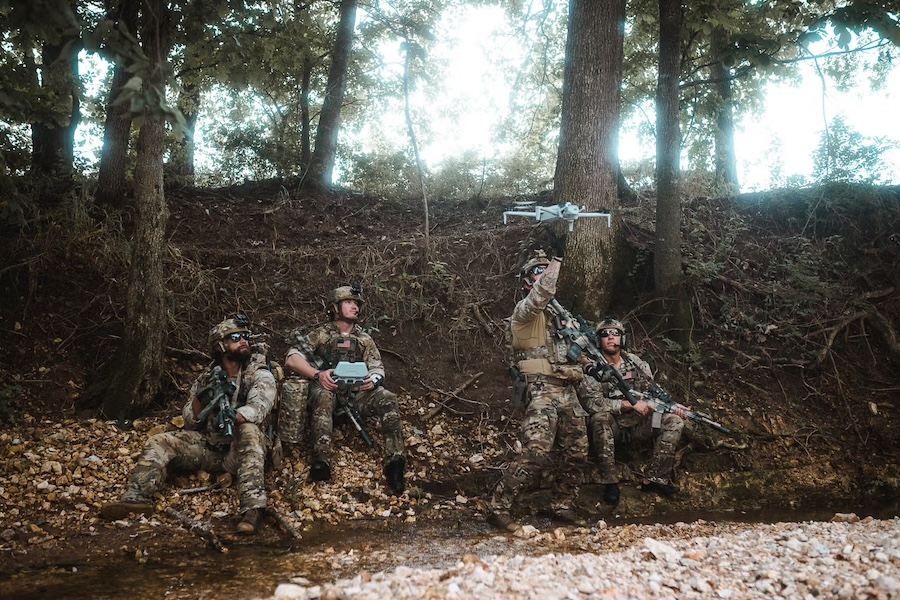
“The purpose of Cold Response is deterrence, and the only way you can deter is if you have a credible threat,” said Lt. Col. Chase Bradford, commanding officer of 2nd Battalion, 6th Marines. “With our Marines training collectively, we know that if we ever have to fight together with our NATO allies, we can immediately come together and win.”
Marines also emphasized the value of training with Nordic partners experienced in cold-weather operations. The exercise provided practical lessons in operating effectively in extreme environments.
“Working with the Norwegians especially, we learned a lot about cold-weather tactics and how to operate in this environment. It’s been very beneficial,” said Sgt. Logan Beaver, a squad leader with Echo Company. “The most important thing is not only surviving, but thriving in the terrain, and then using that to our advantage with our Norwegian allies.”
NATO Secretary General Mark Rutte observed the exercise and highlighted its broader strategic importance. The drills involved more than 30,000 personnel from 14 allied nations across Norway and Finland.
“Cold Response has once again demonstrated Norway’s central role, with over 30,000 personnel here and in Finland from 14 allied countries training as part of this exercise,” Rutte said. “Exercising and learning from one another builds bonds between allies and ensures the ability of NATO nations to operate effectively and to do this together.”
He added that the exercise is part of NATO’s broader Arctic Sentry initiative aimed at enhancing vigilance in the region. The exercise underscored efforts to strengthen interoperability and readiness among allied forces in the High North.