

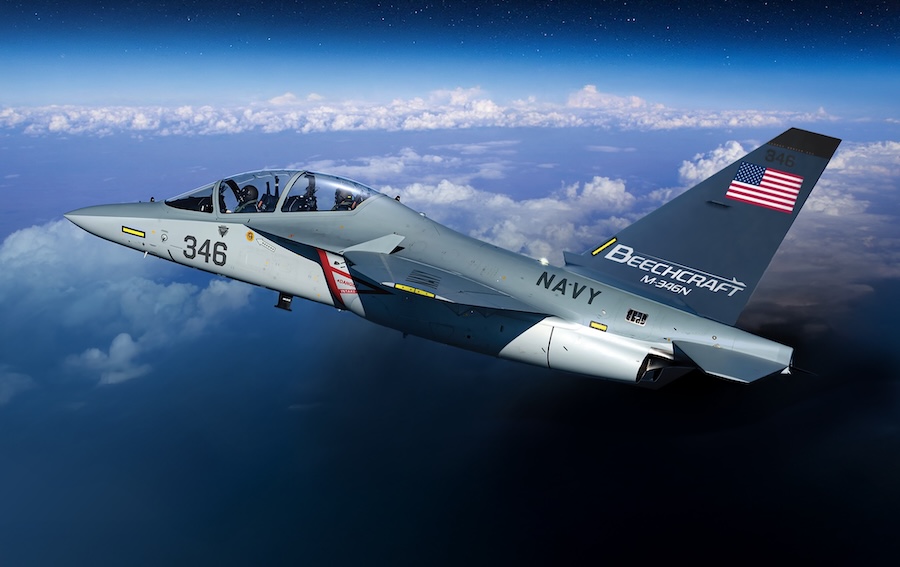
The initiative is intended to modernize pilot training as current aircraft age and operational requirements evolve. Officials said the new system will better prepare pilots for modern combat aircraft that rely on advanced avionics, sensors, and networked operations.
The Navy is seeking a comprehensive training solution that includes aircraft development, an initial production batch, ground-based training systems, and contractor logistics support. The contract will cover Engineering, Manufacturing, and Development as well as Low-Rate Initial Production of the first aircraft.
The program is designed to support intermediate and advanced training before pilots transition to operational units. It also includes simulators and other ground-based tools to improve training efficiency and readiness.
Under the solicitation, the Navy expects to select a contractor based on best value, although it may award two contracts if that approach delivers better results and can be funded. Officials said the Navy plans to acquire more than 200 aircraft under the program, with an initial contract expected in 2027.
As part of the updated training concept, the Navy has adjusted requirements related to carrier operations. Future trainer aircraft will not be required to conduct traditional touch-and-go carrier landing practice on land-based runways.
Instead, training will rely more on simulated environments and alternative methods to prepare pilots for carrier operations. Actual carrier landing qualifications will continue at later stages of training.
Officials said this approach reduces design constraints on the aircraft and places greater emphasis on integrated training systems. The program combines aircraft, simulators, and digital tools into a single system aimed at improving training effectiveness.
The effort is part of a broader modernization of pilot training across the U.S. military. The new system is expected to replace or supplement the existing T-45 training fleet with a more advanced and adaptable solution.