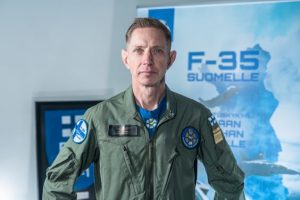


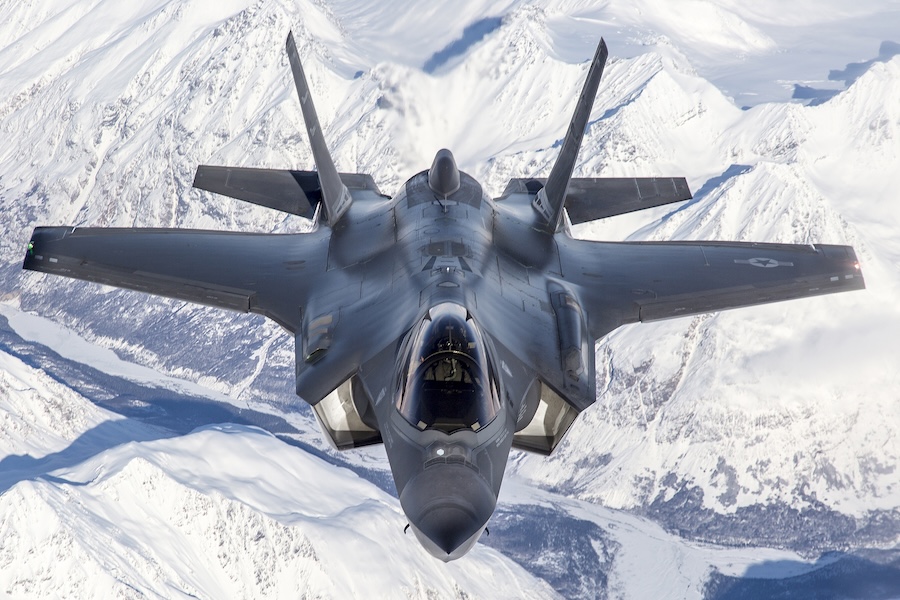
Speaking to a U.S. Senate committee, U.S. Air Force General Gregory Guillot said the aircraft’s advanced capabilities are not essential for continental defense missions. He indicated that NORAD’s primary role focuses on interception and airspace security rather than offensive operations.
“Frankly, we don’t need fifth (generation) to defend our borders,” Guillot said. “Those capabilities are better used overseas where their stealth, air-to-ground weapons, and penetration capability are needed.”
The statement challenges arguments that Canada requires stealth fighters to meet its NORAD obligations. The binational command, operated jointly by the United States and Canada, is responsible for monitoring and defending North American airspace.
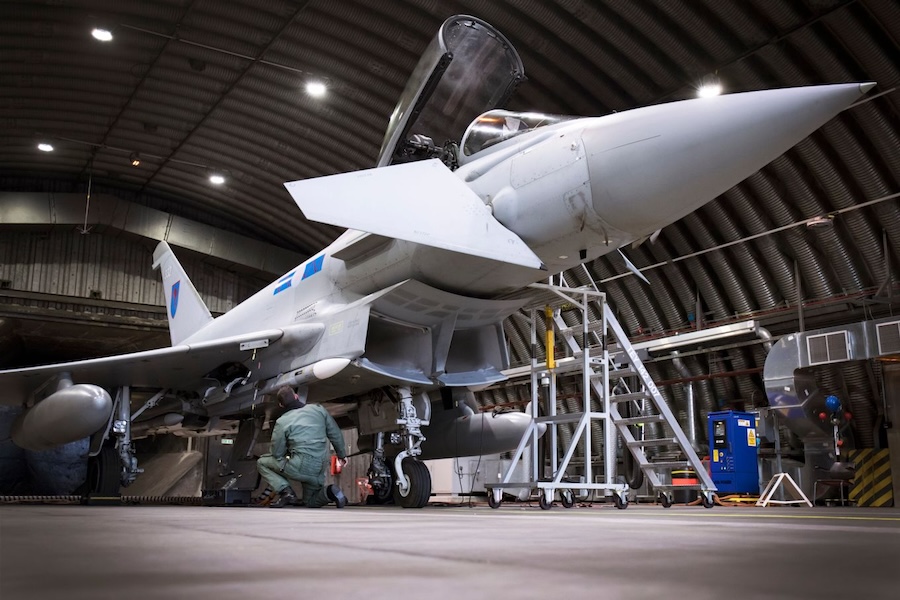
Guillot said that advanced fourth-generation aircraft could be more suitable for the mission. He cited platforms such as upgraded fighter jets capable of rapid response and interception as better aligned with NORAD’s defensive requirements.
The comments come amid ongoing debate in Canada over its plan to acquire 88 F-35 fighter jets to replace aging CF-18 aircraft. Canadian officials have linked the purchase to maintaining interoperability with U.S. forces and supporting both NORAD and NATO commitments.
The Royal Canadian Air Force has argued that the F-35’s advanced sensors and data-sharing capabilities would enhance situational awareness, particularly in the Arctic. However, Guillot’s remarks suggest that such capabilities may be more relevant for overseas operations than for domestic air defense.
NORAD’s mission relies on an integrated system of radar, satellites and aircraft from both countries, allowing the closest available aircraft to respond to threats. This structure enables rapid interception without requiring identical aircraft fleets on both sides of the border.
The debate over the F-35 comes as Canada continues its review of the procurement program amid broader strategic and economic considerations. The outcome of that review is expected to influence future defense planning and cooperation within NORAD.