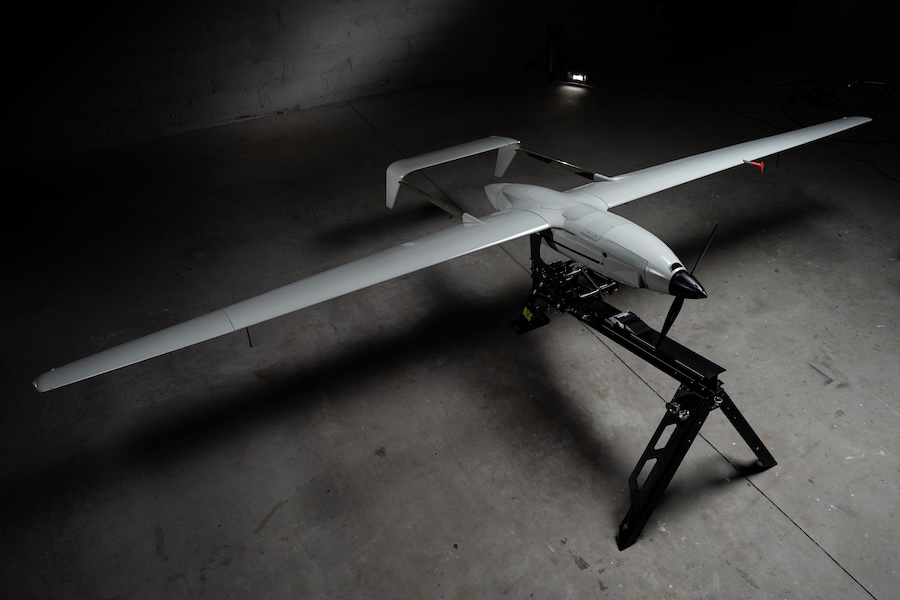


The figures were presented by Mykhailo Fedorov following a meeting with interceptor drone manufacturers. The discussions focused on gathering industry feedback and identifying steps to strengthen air defence capabilities.
“Interceptor drones are a Ukrainian innovation that has already emerged as a key component of our air defense,” Fedorov said. He noted their growing role in countering aerial threats.
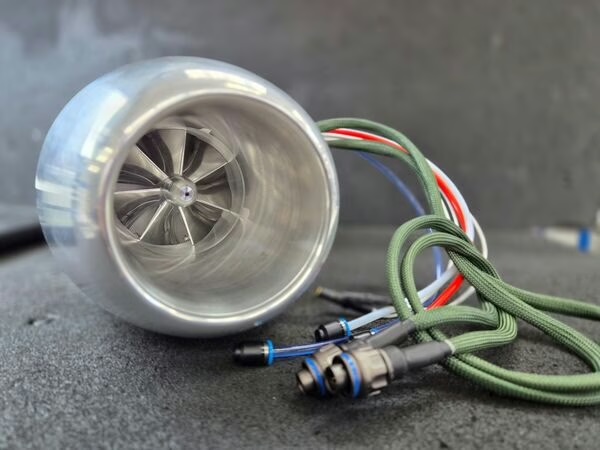
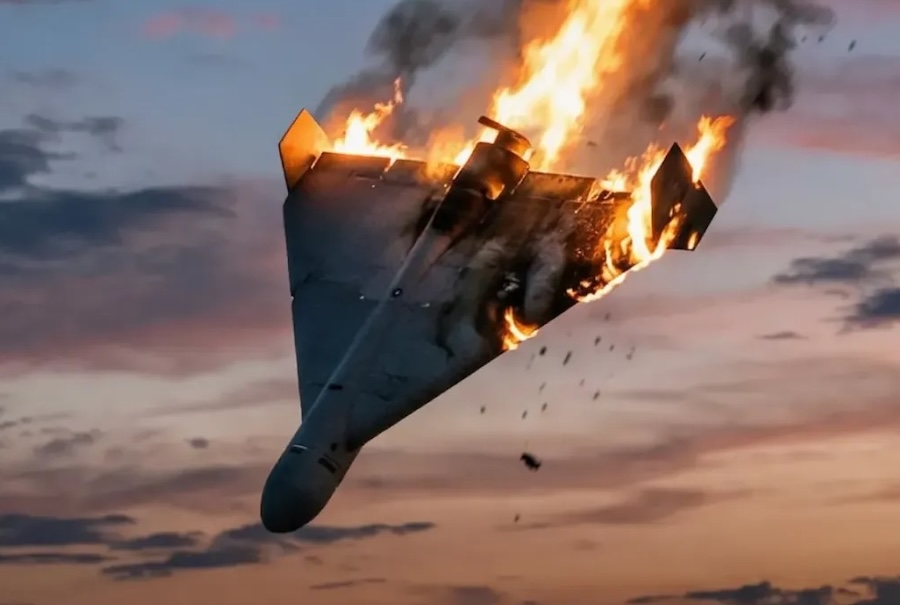
The minister highlighted ongoing challenges, particularly the increasing use of jet-powered Shahed drones. These systems are more difficult to intercept due to their speed and operational characteristics.
“Our task is to find a technological solution. Together with manufacturers, we assessed their products and level of readiness, identified bottlenecks, and synchronized efforts to enable rapid scaling,” Fedorov said. He added that coordination between industry and government is central to addressing these challenges.
Ukraine is also supporting the development of new technologies through international cooperation. Under the EU4UA Defence Tech grant programme, implemented jointly with the European Union, support has been provided to 12 technologies.
Companies participating in the programme can receive up to €150,000. The funding is aimed at developing high-speed interceptor drones capable of exceeding 450 km/h and systems to counter aerial targets.
During the meeting, participants also discussed broader operational and industrial issues. These included future contracting for 2026, pilot training, access to test ranges, shortages of ground control stations, export considerations and updates to performance evaluation criteria.
The Ministry said solutions are being developed for each of these areas. The discussions were held in line with directives from the President.
Ukraine has introduced several measures to support the growth of its interceptor drone sector. These include a reward mechanism for companies that successfully intercept Shahed drones.
Since 2024, the Brave1 defence technology cluster has awarded more than 40 grants. The initiative now includes around 100 manufacturers focused on interceptor drone development.
A dedicated platform, the Brave1 Dataroom, has also been launched. It is used to train and validate artificial intelligence models for detecting and intercepting aerial targets under varying conditions.
More than 30 companies are currently testing over 50 AI models through the platform. These efforts are intended to improve detection accuracy and operational effectiveness.
Fedorov also outlined priorities for manufacturers. These include scaling jet-powered interceptor drone technologies and developing alternative guidance systems for use in adverse weather conditions.
The Ministry said it is prepared to rapidly procure effective technologies within a transparent market framework. These efforts are aimed at strengthening Ukraine’s ability to protect its airspace against evolving threats.