

That matters because defence capability does not depend only on primes and platforms. It also depends on secure factories, depots, logistics hubs, and controlled access to sensitive sites. As the sector grows more complex, physical security is becoming part of supply chain resilience rather than a separate support function. The wider policy direction is clear in the government’s Defence Supply Chain Strategy, which places resilience much closer to the centre of defence planning.
Rising security risks across the defence supply chain
As supplier networks expand, so does the number of potential exposure points. Manufacturing plants, warehousing locations, transport hubs, and temporary project sites can all create opportunities for unauthorised access, theft, disruption, or sabotage. In a defence environment, even a relatively small breach can have broader operational consequences, whether that means production interruptions, delayed delivery schedules, compromised materials, or increased pressure on contract compliance. That is one reason UK policy now places greater emphasis on resilient industrial capacity and assured supply chains instead of treating security as a narrow compliance issue.
The shift towards integrated physical security strategies
Traditional guarding alone is no longer sufficient for many defence sites. Operators increasingly need layered protection that combines trained personnel with access control, surveillance, perimeter monitoring, and tighter coordination with site management. The aim is not simply to react to incidents but to prevent disruption, maintain continuity, and support secure daily operations across complex facilities. This matters even more where third-party contractors, monitored materials, and time-sensitive processing all increase the consequences of a security failure. In that environment, many contractors are looking for partners that can deliver adaptable, site-specific support, which helps explain the growing relevance of providers such as www.profmgroup.com within higher-security operational settings.
The role of SIA-licensed personnel in high-security environments
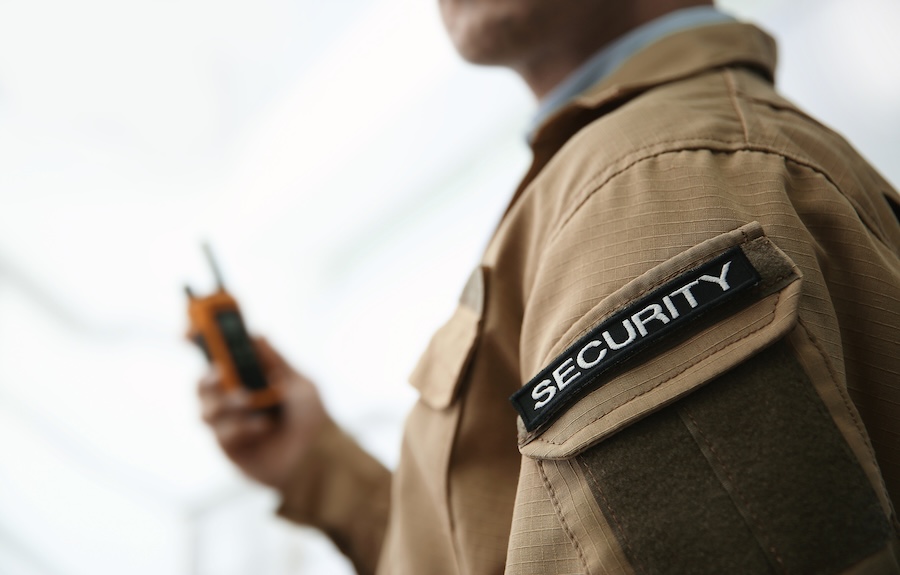
But while the consideration of these wider capabilities is important, there will of course remain a need for qualified, trained staff with licences to ensure that security protocols are being followed; their controlled expertise is not something that can or should be replaced by digital alternatives alone. They are the eyes that will make the call on access, the front line that will respond to incidents, and the individuals who will uphold on-site policy and execute processes effectively, adhering to best practices when faced with on-site changes. For manufacturers with a defense-related element in their line of business, this discipline, combined with agility and awareness, is no longer a ‘nice to have’; rather, it is a key factor in securing their operations and reducing risk that doesn’t need to be there but can be stopped.
Adapting to increased defence spending and infrastructure expansion
Supply pressure is unlikely to alleviate. The UK government has committed to at least 2.5% of GDP being spent on defence from April 2027 and is encouraging greater sovereign industrial capability and supply chain resilience in the UK, which will mean more sites, more activities, more suppliers, and more on-site assurances required. As sites grow, so do their networks of suppliers, but unaccompanied access and unmonitored activity risk undermining a site’s ability to ensure its continued operations, compliance, customer assurances, and delivery of its critical capabilities.