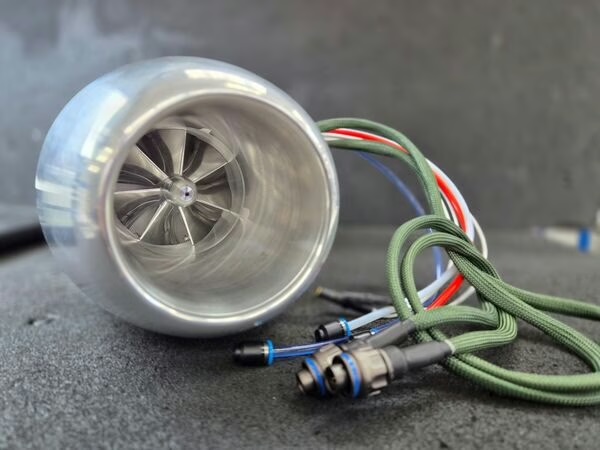


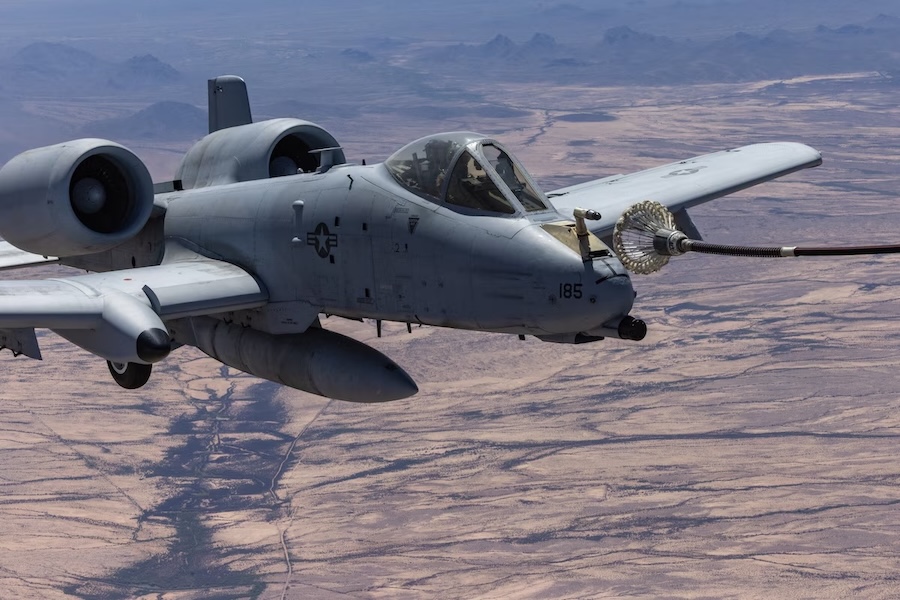
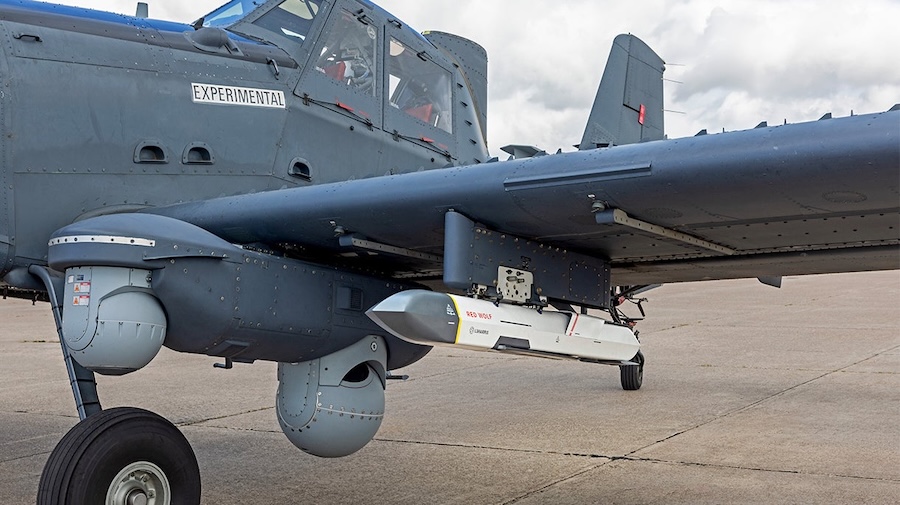
The modification enables the A-10C to refuel using a probe-and-drogue system rather than relying solely on boom refueling. This is achieved through a Probe Refueling Adapter installed in the aircraft’s existing nose-mounted refueling receptacle.
The development marks a notable shift for a platform traditionally limited to boom refueling. It also comes despite long-term plans to retire the A-10C fleet by the end of the decade.
Officials said the new capability addresses operational constraints in deployed environments. It expands compatibility with tanker aircraft better suited to the A-10’s mission profile.
The capability gap emerged due to limited refueling options available to planners. With the retirement of KC-10 tankers and pending certification of the KC-46, A-10 units had remained reliant on KC-135 aircraft.
The new adapter allows refueling from HC-130 and other C-130-based tankers. These aircraft operate at speeds and altitudes more compatible with A-10 missions, including close air support and combat search and rescue.
The modification also supports operations in austere environments. C-130 aircraft can operate from shorter or less-prepared runways, increasing flexibility in contested regions such as the Indo-Pacific.
The adapter is designed as a field-configurable solution. Operational units can install or remove the system within hours, allowing aircraft to switch between refueling methods based on mission needs.
The integration effort involved multiple organizations working on an accelerated timeline. Industry partners developed the adapter, while the A-10 System Program Office oversaw engineering integration.
Additional support came from acquisition and operational units. The 418th Flight Test Squadron conducted the first refueling mission using an HC-130 tanker, with certification approved by the Air Refueling Certification Authority.
Lt. Col. Luke Haywas, Director of Test for AATC, said the effort was driven by operational urgency. “Once the combatant command issued the requirement, all of the standard acquisition processes began immediately, but everyone involved understood the urgency,” he said.
“The SPO, ARCWERX, industry partners, and supporting units each brought critical expertise to the effort. Nothing was shortcut or compromised from a technical or safety standpoint. We just accelerated every step we could,” Haywas added.
Col. Daniel Wittmer, AATC commander, said the project demonstrated a model for rapid capability delivery. “This project demonstrates that AATC can serve as a rapid response mechanism when combatant commanders face urgent capability gaps,” he said.
“We maintained relationships with system program offices and industry partners, and we brought the test expertise needed to move from concept to fielded capability in weeks. That’s not a one-time accomplishment. It’s a model for how the Air Force can deliver operationally relevant capabilities to warfighters at the speed that modern conflict demands,” Wittmer said.
Officials said the accelerated timeline reflects evolving operational demands. The initiative highlights efforts to maintain combat effectiveness by adapting existing platforms to new mission requirements.






![CENTCOM chief says U.S. forces remain ready after ‘generational’ defeat of Iran despite fragile ceasefire [VIDEO]](https://defence-industry.eu/wp-content/uploads/2026/04/centcom-chief-says-us-forces-remain-ready-after-generational-defeat-of-iran.jpeg)
![Team Lynx details XM30 infantry fighting vehicle concept as U.S. Army program nears key decision [VIDEO]](https://defence-industry.eu/wp-content/uploads/2026/04/team-lynx-details-xm30-infantry-fighting-vehicle-concept.jpeg)